
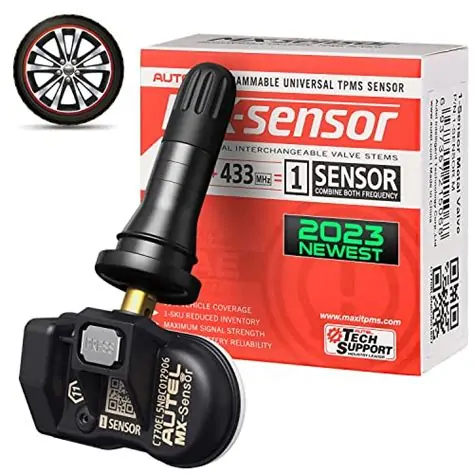
Explore TPMS sensors: common issues, troubleshooting tips, installation advice, and benefits of upgrading for optimal vehicle safety and performance.In an era where vehicle safety and performance are paramount, the Tire Pressure Monitoring System (TPMS) plays a crucial role in ensuring optimal tire health. However, it can be disheartening when a new TPMS sensor fails to read properly, raising concerns among vehicle owners. This blog post delves into the intricacies of TPMS sensors, highlighting common issues that can arise with new installations. We’ll provide practical troubleshooting tips to help you diagnose and resolve sensor problems effectively. Additionally, we’ll share essential installation tips to ensure a smooth setup and explore the numerous benefits that come with upgrading your TPMS sensors. Whether you’re a seasoned car enthusiast or a novice driver, understanding these aspects will empower you to maintain your vehicle’s safety and performance. Let’s dive into the world of TPMS sensors and uncover the solutions to your sensor woes!
Understanding TPMS Sensors
TPMS, or Tire Pressure Monitoring System, is a crucial safety feature in modern vehicles. These sensors are designed to monitor the air pressure inside your tires and provide real-time data to the driver. This helps to ensure optimal tire performance and safety on the road.
The main components of a TPMS include:
- Direct TPMS: This type uses pressure sensors mounted on each tire to measure the actual tire pressure. If the pressure falls below a predetermined level, the system triggers a warning light on the dashboard.
- Indirect TPMS: Instead of using dedicated pressure sensors, this system relies on the vehicle’s ABS (Anti-lock Braking System) wheel speed sensors. It monitors tire rotation rates and infers tire pressure changes based on those readings.
Understanding how TPMS sensors work is essential for maintaining the health of your vehicle’s tires. Each sensor transmits information to the onboard computer, which then alerts the driver if there is a significant drop in tire pressure.
Most vehicles equipped with TPMS will have a warning light on the dashboard that illuminates when one or more tires are under-inflated. Being aware of this can help prevent accidents caused by tire blowouts and improve fuel efficiency.
In summary, TPMS sensors play a vital role in maintaining tire pressure, enhancing safety, and optimizing vehicle performance.
Common Issues with New TPMS Sensors
When dealing with new TPMS (Tire Pressure Monitoring System) sensors, various issues can arise that may hinder their functionality. Understanding these common problems can help you diagnose and resolve them quickly, ensuring the safety and efficiency of your vehicle. Below are some of the prevalent issues associated with new TPMS sensors:
- Battery Issues: Many new TPMS sensors come with batteries that may be depleted or low on charge. If a sensor does not have sufficient battery power, it may fail to transmit data to the vehicle’s system.
- Installation Errors: Incorrect installation can be a primary cause of malfunction. It is crucial to ensure that the sensors are mounted properly and are compatible with your vehicle’s system.
- Programming Failures: New TPMS sensors need to be programmed to communicate with your vehicle. Failure to correctly program the sensors can result in them not reading any data. It’s essential to follow the manufacturer’s instructions or consult a professional during installation.
- Damage During Installation: New sensors can be sensitive to physical damage during installation. Ensure that the sensors are handled with care and secured properly to avoid damage.
- Interference Issues: Sometimes, the TPMS sensors may face interference from other electronic devices within the vehicle. This can cause a delay or failure in data transmission, leading to warning lights on your dashboard.
- Faulty Sensors: Though rare, it’s possible to receive defective sensors right out of the box. It’s recommended to check the sensors shortly after installation to confirm they are functioning as intended.
In summary, while new TPMS sensors play a critical role in vehicle safety, several common issues can prevent them from functioning correctly. Identifying these problems early and addressing them can save you time and ensure your vehicle operates safely.
Troubleshooting New TPMS Sensors
Tire Pressure Monitoring System (TPMS) sensors are vital components of modern vehicle safety. They monitor tire pressure and alert drivers when the pressure drops below the recommended threshold, ensuring optimal performance and safety on the road. However, new TPMS sensors may sometimes fail to read correctly. Here are some common troubleshooting steps to resolve these issues:
1. Check the Sensor Installation
Improper installation often leads to TPMS sensor malfunction. Make sure that:
- The sensor is correctly mounted on the wheel.
- The rubber or metal valve stem is properly attached.
- The sensor is securely fastened and not loose.
2. Verify Vehicle Compatibility
Make sure that the new TPMS sensors are compatible with your vehicle’s make and model. Incompatible sensors may not transmit data. Refer to the vehicle’s manual or consult with a professional to verify this.
3. Check for Faulty Sensors
Even new sensors can sometimes be defective. To identify faulty sensors, you can:
- Use a TPMS tool to check if the sensor communicates properly.
- Swap out the suspect sensor with one that is known to be functional and see if the problem persists.
4. Reset the TPMS
Sometimes, a simple reset can resolve reading issues. Follow these steps to reset your TPMS:
- Turn the ignition switch to the ON position without starting the engine.
- Locate the TPMS reset button (usually found under the steering wheel).
- Press and hold the reset button until the TPMS warning light blinks three times.
- Start the vehicle and wait a few minutes for the system to refresh.
5. Inspect for System Interference
Interference from electronic devices or nearby metal objects can affect sensor readings. Ensure that:
- There are no electronic devices causing interference.
- The TPMS sensors are not blocked by any debris.
6. Monitor Battery Life
TPMS sensors are equipped with batteries that have a limited lifespan. If the sensor battery is dead, it won’t send signals. Regularly monitor the battery status, especially when dealing with new sensors:
- Be aware that most TPMS batteries typically last between 5 to 10 years.
- If the sensor is old or close to the battery lifespan, consider replacing it.
If the above troubleshooting steps do not resolve the issue, it may be best to consult a qualified mechanic or a professional technician who specializes in TPMS systems for further diagnosis and repair.
Tips for Proper Installation
Installing a new TPMS sensor can be a straightforward process, but there are several important factors to consider to ensure they function correctly. Here are some essential tips for proper installation:
| Tip | Description |
|---|---|
| 1. Use the Right Tools | Ensure you have the necessary tools, such as a torque wrench, tire iron, and valve core tool, to properly install the TPMS sensor. |
| 2. Follow Manufacturer Instructions | Always refer to the manufacturer’s guidelines and instructions when installing your TPMS sensors to avoid errors. |
| 3. Inspect the Valve Stem | Check the valve stem for any damage or wear. Replacing a damaged valve stem can prevent issues with your TPMS sensor. |
| 4. Ensure Proper Alignment | Make sure that the TPMS sensor is properly aligned in the tire. Improper alignment can lead to inaccurate readings. |
| 5. Relearn or Program the Sensor | After installation, some vehicles may require a relearn procedure or specific programming to sync the new sensor with the vehicle’s system. |
| 6. Check for Leaks | After installation, it’s crucial to check for air leaks using a soap solution on the valve stem area before mounting the wheels back on the vehicle. |
By following these tips, you can enhance the accuracy and reliability of your new TPMS sensors, ensuring a safer driving experience.
Benefits of Upgrading TPMS Sensors
Upgrading your TPMS sensors (Tire Pressure Monitoring System sensors) can provide numerous advantages that enhance the overall performance and safety of your vehicle. Here are some key benefits to consider:
- Improved Accuracy: Newer TPMS sensors often feature advanced technology that ensures greater accuracy in monitoring tire pressure. This can help prevent under- or over-inflation, which can lead to hazardous driving conditions.
- Enhanced Durability: Upgraded sensors are typically built with more robust materials and components, offering improved durability and a longer lifespan compared to older models. This means less frequent replacements and reduced maintenance costs.
- Real-Time Data: Modern TPMS sensors provide real-time data on tire pressure as well as temperature, giving drivers valuable insights that can aid in optimizing fuel efficiency and increasing tire longevity.
- Better Compatibility: Newer sensors are often designed to be compatible with a wider range of vehicles and systems, making them a more versatile choice for drivers considering an upgrade.
- Enhanced Features: Many upgraded TPMS sensors come with additional features such as Bluetooth connectivity, allowing drivers to monitor tire health through mobile applications. This convenience adds an extra layer of safety and awareness.
- Improved Safety: With more accurate monitoring and timely alerts, drivers can be more proactive about tire maintenance, significantly reducing the risk of tire blowouts and other accidents caused by improper tire pressure.
Incorporating upgraded TPMS sensors into your vehicle not only enhances safety but also contributes to better driving performance and overall vehicle efficiency. Investing in these advancements can lead to a more enjoyable and secure driving experience.
Frequently Asked Questions
What is a TPMS sensor?
A TPMS (Tire Pressure Monitoring System) sensor is a device that monitors the air pressure inside your tires and alerts you if pressure falls below a certain threshold.
Why might a new TPMS sensor not be reading?
There can be several reasons why a new TPMS sensor is not reading, including improper installation, battery issues, compatibility problems with the vehicle, or the sensor needing to be reset.
How can I tell if my TPMS sensor is defective?
Signs of a defective TPMS sensor include a constant warning light on the dashboard, inability to display tire pressure readings, or fluctuating readings despite stable tire pressure.
What steps should I take if my TPMS sensor isn’t working?
First, check the installation of the sensor, ensure it’s compatible with your vehicle, and then check the battery. If issues persist, consult a professional mechanic or technician.
Do I need to reset the TPMS after installing a new sensor?
Yes, most vehicles require a reset of the TPMS system after a new sensor is installed to ensure it is properly calibrated and communicating with the vehicle.
Can weather conditions affect TPMS sensor readings?
Yes, extreme temperature changes can affect tire pressure and may influence the accuracy of TPMS sensor readings. Cold weather can decrease tire pressure, potentially triggering a warning.
How often should I replace my TPMS sensors?
TPMS sensors typically last around 5 to 10 years, but it’s a good idea to have them inspected regularly and to replace them if they show signs of wear or if the battery is low.