
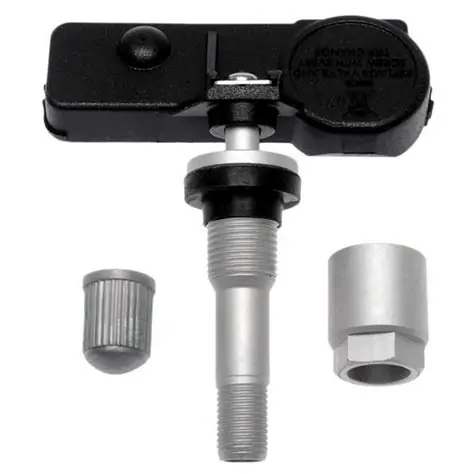
Explore the importance of TPMS sensors for Jeep Patriot, signs of failure, replacement tips, and maintenance for optimal performance.When it comes to ensuring the safety and performance of your Jeep Patriot, one crucial component often overlooked is the Tire Pressure Monitoring System (TPMS) sensor. This small device plays a significant role in maintaining optimal tire pressure, which is essential for both fuel efficiency and overall driving safety. Understanding the functionality of TPMS sensors, especially in a rugged vehicle like the Jeep Patriot, can prevent potential mishaps on the road. In this blog post, we will explore the importance of TPMS sensors, identify the signs of a faulty sensor, and provide guidance on replacing and maintaining these vital components. Whether you’re a seasoned Jeep enthusiast or a new owner, this comprehensive guide will help you keep your Patriot in peak condition while enhancing your driving experience.
Understanding TPMS Sensors
TPMS stands for Tire Pressure Monitoring System, a crucial component in modern vehicles, including the Jeep Patriot. These sensors are designed to continuously monitor the air pressure in each tire and alert the driver whenever any tire falls below the recommended pressure levels.
How TPMS Sensors Work
The TPMS sensors can either be direct or indirect:
- Direct TPMS: These sensors are located in each tire and provide real-time pressure readings. They use a small battery to send data to the vehicle’s onboard computer, which then informs the driver if a tire is under-inflated.
- Indirect TPMS: Instead of reading tire pressure directly, these systems use the vehicle’s ABS (Anti-lock Braking System) to monitor wheel rotation. If a tire is under-inflated, its diameter decreases, causing it to rotate faster than the others, prompting the system to alert the driver.
Significance of TPMS Sensors
Understanding the importance of TPMS sensors is vital for maintaining vehicle safety:
- Safety: Proper tire pressure improves handling and reduces the risk of tire blowouts, significantly enhancing safety on the road.
- Fuel Efficiency: Correctly inflated tires improve fuel efficiency, saving money in the long run.
- Tire Longevity: Maintaining proper tire pressure extends the lifespan of your tires, avoiding premature wear and tear.
Common TPMS Sensor Technologies
TPMS sensors utilize various technologies:
| Type | Pros | Cons |
|---|---|---|
| Direct | Accurate real-time data | More expensive to replace |
| Indirect | No maintenance needed | Less accurate, relies on wheel speed |
In conclusion, the understanding of TPMS sensors is essential for every Jeep Patriot owner. Regular checks and maintenance of the TPMS can lead to a safer driving experience and overall better vehicle performance.
Importance of TPMS Sensors for Jeep Patriot
The Tire Pressure Monitoring System (TPMS) sensors play a crucial role in ensuring the safety and performance of your Jeep Patriot. These sensors continuously monitor the tire pressure and relay essential information to the vehicle’s onboard computer. Understanding their importance can help you maintain not only the vehicle’s efficiency but also your safety on the road.
Why TPMS Sensors are Vital
- Safety: Proper tire pressure is essential for safe driving. Under-inflated tires can lead to blowouts, while over-inflated tires can cause loss of control. With TPMS sensors, you are alerted to any changes in tire pressure, allowing you to take necessary actions.
- Fuel Efficiency: Maintaining optimum tire pressure can enhance fuel efficiency. Tires that are not inflated to the correct levels can decrease fuel economy by up to 3%.
- Tire Longevity: Regular monitoring of tire pressure helps extend the lifespan of your tires. Proper inflation reduces uneven wear and tear, saving you money in the long run.
- Performance: Well-maintained tires improve handling, stability, and overall performance of your Jeep Patriot. The right tire pressure allows for better traction and braking capabilities.
Benefits of Using TPMS Sensors
| Benefit | Description |
|---|---|
| Immediate Alerts | Receive real-time notifications about tire pressure changes, enhancing response time. |
| Increased Awareness | Stay informed about tire conditions, leading to better vehicle management. |
| Regulatory Compliance | Meets legal requirements in many regions, promoting road safety. |
“A well-maintained TPMS system is not just an accessory; it’s a critical safety feature of your Jeep Patriot.”
In summary, the importance of TPMS sensors for your Jeep Patriot cannot be overstated. They are vital for safety, fuel efficiency, tire longevity, and overall vehicle performance. Ensure your TPMS system is functioning correctly to enjoy a safe and efficient driving experience.
Signs of a Faulty TPMS Sensor
The Tire Pressure Monitoring System (TPMS) is a crucial component of your Jeep Patriot, ensuring your tires are at optimal pressure for safety and efficiency. When a TPMS sensor fails, it can lead to various issues. Here are some common signs of a faulty TPMS sensor:
- Warning Light On Dashboard: The first and most obvious sign is the TPMS warning light illuminated on your dashboard. If this light is on and you have already checked your tire pressures, it may indicate a sensor malfunction.
- Inconsistent Pressure Readings: If you notice that your dashboard consistently shows incorrect tire pressures (e.g., one tire showing low pressure while others are fine), it may be a sign of a defective sensor.
- Delayed Activation: In some cases, the TPMS light may take longer than usual to turn on after starting your vehicle — or it might turn off and on sporadically.
- Frequent Flat Tires: If you find that you are experiencing flat tires more often than usual, and your TPMS is not notifying you about low pressure or providing inaccurate readings, this could signal a faulty sensor.
- Sensor Disconnection: A faulty TPMS sensor may even stop communicating entirely with the vehicle’s onboard computer, which will prevent it from displaying any pressure information.
Facing any of these symptoms requires immediate attention. Ignoring a faulty TPMS sensor not only affects your vehicle’s performance but can also compromise your safety on the road. Regular checks and maintenance can ensure that your Jeep Patriot’s TPMS remains fully operational, helping you drive safely and efficiently.
Replacing TPMS Sensors in Jeep Patriot
The Tire Pressure Monitoring System (TPMS) in your Jeep Patriot plays a crucial role in ensuring safety and optimal vehicle performance. If your TPMS sensor is faulty or needs replacement, it’s important to understand the procedure involved.
Tools and Materials Needed
- TPMS Sensor Kit
- Torque Wrench
- Socket Set
- Jack and Jack Stands
- Tire Pressure Gauge
Steps to Replace TPMS Sensors
- Preparation: Park your Jeep Patriot on a flat surface and engage the parking brake. Gather all necessary tools.
- Lift the Vehicle: Use a jack to raise the vehicle and secure it with jack stands.
- Remove the Wheel: Use a socket set to remove the lug nuts and take off the wheel.
- Access the TPMS Sensor: The TPMS sensor is usually attached to the valve stem. Carefully remove the sensor from its mounting.
- Install the New TPMS Sensor: Position the new sensor in place, ensuring it fits snugly. Tighten it according to the manufacturer’s specifications using a torque wrench.
- Reattach the Tire: Place the wheel back on the hub and hand tighten the lug nuts before lowering the vehicle.
- Check Tire Pressure: After reinstalling the tire, check the tire pressure using a tire pressure gauge and adjust as necessary.
- Reset the TPMS System: Follow your Jeep’s manual for resetting the TPMS sensor to ensure it recognizes the new sensor.
Key Considerations
It’s essential to use OE (Original Equipment) replacement parts to avoid incompatibility issues.
Replacing the TPMS sensors in your Jeep Patriot can enhance safety and improve the overall driving experience. Regular checks and timely replacements can help maintain the system’s integrity.
Tips for Maintaining TPMS Sensors
Maintaining your TPMS sensors is crucial for ensuring the safety and performance of your Jeep Patriot. Here are some key tips to help you keep your sensors in top condition:
- Regularly Check Tire Pressure: Make it a habit to check the tire pressure at least once a month. This will help you monitor any discrepancies that may affect the functioning of the TPMS sensors.
- Visual Inspections: Regularly inspect your tires for any signs of wear, damage, or foreign objects that could affect TPMS sensor performance. Look out for uneven wear patterns, which might indicate an underlying issue.
- Battery Maintenance: Many TPMS sensors are battery-operated. When replacing tires, check the battery life of the sensors and consider replacing them if they are low on power.
- Update Your Vehicle’s Software: It’s important to keep your Jeep Patriot’s software updated. Manufacturers often release updates that can improve TPMS sensor performance and accuracy.
- Proper Installation: Ensure that any new tires and TPMS sensors are installed by professionals. Improper installation can lead to malfunctions, which could compromise safety.
- Deflation Warning Light: Pay attention to the TPMS warning light on your dashboard. If it turns on, investigate the issue promptly. Ignoring the warning can lead to serious vehicle issues.
- Seasonal Checks: Before and after seasonal tire changes, conduct a thorough check of your TPMS sensors. Cold weather can affect pressure, so adjustments might be necessary during winter months.
Following these maintenance tips can help ensure that your TPMS sensors function accurately and reliably, keeping your Jeep Patriot safe on the road.
Frequently Asked Questions
What is a TPMS sensor in the Jeep Patriot?
The TPMS (Tire Pressure Monitoring System) sensor in the Jeep Patriot is a safety feature that monitors the air pressure in the tires and alerts the driver if any tire is significantly underinflated.
How do I know if my Jeep Patriot’s TPMS sensor is malfunctioning?
If the TPMS warning light on your dashboard stays illuminated or flashes, it may indicate a malfunction with the TPMS sensor or that a tire is underinflated.
What should I do if the TPMS light comes on in my Jeep Patriot?
If the TPMS light comes on, first check the tire pressures and inflate them to the recommended levels. If the light remains on after correcting pressures, consult a mechanic to check the TPMS sensor.
Can I reset the TPMS sensor myself?
Yes, you can reset the TPMS sensor by following the specific reset procedure in your owner’s manual. This often involves turning on the ignition without starting the engine and pushing the TPMS reset button.
How often should I replace the TPMS sensors in my Jeep Patriot?
TPMS sensors typically have a lifespan of 5 to 10 years, or when the battery within the sensor dies. It’s advisable to check their condition during regular tire maintenance or replacement.
What is the cost of replacing a TPMS sensor in a Jeep Patriot?
The cost of replacing a TPMS sensor can range from $50 to $200 per sensor depending on the make and model, labor charges, and whether you choose to go to a dealership or an independent mechanic.
Can I use aftermarket TPMS sensors in my Jeep Patriot?
Yes, you can use aftermarket TPMS sensors, but it’s important to ensure they are compatible with your Jeep Patriot and properly programmable to avoid any issues with the vehicle’s monitoring system.