
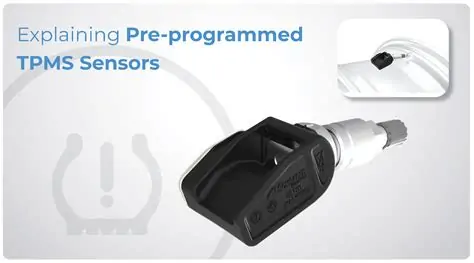
Discover the importance of TPMS sensors, the programming process, benefits, and common issues of unprogrammed sensors to ensure vehicle safety and performance.When it comes to modern vehicle safety and performance, Tire Pressure Monitoring System (TPMS) sensors play a crucial role. These intelligent devices alert drivers to changes in tire pressure, helping to prevent blowouts and improve fuel efficiency. However, many car owners may not realize that TPMS sensors often need to be programmed after installation or tire changes. In this blog post, we’ll explore what TPMS sensors are, the importance of programming them correctly, and the step-by-step process involved. We’ll also discuss the significant benefits of having properly programmed sensors and highlight common issues that arise when sensors are left unprogrammed. Whether you’re a seasoned car enthusiast or just looking to ensure your vehicle’s optimal performance, understanding TPMS sensor programming is essential for safe and efficient driving.
What are TPMS sensors?
TPMS stands for Tire Pressure Monitoring System, a crucial safety feature in modern vehicles. These sensors are designed to monitor the air pressure inside the tires and alert the driver when the pressure falls below the recommended levels. The primary purpose of TPMS sensors is to ensure optimal tire performance, improve fuel efficiency, and enhance overall vehicle safety.
There are two main types of TPMS sensors:
- Direct TPMS: These sensors are installed inside each tire and measure the actual tire pressure. When a tire’s pressure drops, the sensor sends a signal to the vehicle’s onboard computer, triggering a warning light on the dashboard.
- Indirect TPMS: These sensors do not measure tire pressure directly. Instead, they monitor the rotational speed of the tires using the antilock braking system (ABS) and infer pressure changes based on the differences in tire rotation speeds.
Overall, TPMS sensors play a vital role in maintaining tire health and ensuring that drivers remain informed about any tire-related issues. Regular checks and proper maintenance can help keep these sensors functioning correctly, contributing to safer road conditions and better vehicle performance.
Importance of programming TPMS sensors
Properly functioning TPMS sensors (Tire Pressure Monitoring System sensors) are crucial for vehicle safety and performance. The programming of these sensors is an essential aspect that significantly influences their effectiveness. Here are several reasons why programming TPMS sensors is crucial:
- Accuracy in Tire Pressure Readings: Programming ensures that the sensors accurately monitor and report tire pressure levels. This accuracy helps in preventing under-inflation or over-inflation, which can lead to tire blowouts.
- Enhanced Safety: Properly programmed sensors can alert drivers to potential issues before they become serious problems, enhancing overall road safety.
- Improved Fuel Efficiency: Correct programming of TPMS sensors helps maintain optimal tire pressure, which can improve fuel efficiency and reduce overall driving costs.
- Compliance with Regulations: Many countries have laws requiring vehicles to be equipped with functional TPMS sensors. Proper programming ensures compliance with these regulations.
- Reduced Wear and Tear on Tires: By ensuring that tire pressure remains within recommended levels, programming can extend the life of your tires, saving you money in the long run.
Overall, the programming of TPMS sensors is not just a technical requirement; it is an essential practice that contributes to the safety, efficiency, and economy of vehicle operation. Ignoring this crucial step can lead to a range of issues, from compromised safety to increased operational costs.
Process of programming TPMS sensors
Programming TPMS sensors is a crucial step in ensuring the proper functioning of a vehicle’s tire pressure monitoring system. This process involves several defining steps, which we will outline below:
1. Gather Necessary Tools
Before attempting to program TPMS sensors, it’s essential to gather the right tools. Typically, you will need:
- TPMS scan tool: This device allows you to communicate with the vehicle’s onboard computer.
- Sensors: New or replacement TPMS sensors that need programming.
- Vehicle owner’s manual: For specific instructions related to your vehicle.
2. Access the Vehicle’s Diagnostic Port
Connect the TPMS scan tool to the vehicle’s onboard diagnostic (OBD-II) port. This port is usually located under the dashboard, near the driver’s seat. Make sure the vehicle is in the ON position, but the engine does not need to be running.
3. Program the Sensors
Using the TPMS scan tool, follow these steps:
- Select the correct vehicle make and model on the tool.
- Choose the option to program or initialize the TPMS sensors.
- Follow the on-screen prompts, which may include:
- Enter sensor IDs manually or let the tool automatically detect them.
- Confirm each sensor’s location (front left, front right, rear left, rear right).
- Complete the programming process as directed by the tool.
4. Verify Sensor Functionality
After programming, you should verify that each TPMS sensor is functioning correctly. This can be done by:
- Driving the vehicle for a few minutes to allow the system to calibrate.
- Checking that the dashboard indicator light turns off for proper functionality.
5. Final Checks
Once programming is complete, remove the TPMS scan tool from the OBD-II port and ensure that all sensors are securely mounted to the tires. It’s advisable to double-check the tire pressure in all tires to make sure they are at the manufacturer’s recommended levels.
Understanding the process of programming TPMS sensors can help you maintain a safe driving experience. Properly programmed sensors will aid in monitoring tire pressures accurately, thus potentially saving you money on fuel efficiency and tire wear.
Benefits of correctly programmed TPMS sensors
Tire Pressure Monitoring System (TPMS) sensors play a crucial role in ensuring vehicle safety and performance. When these sensors are correctly programmed, they can provide numerous benefits that enhance driving experience and vehicle longevity. Here are some significant benefits of correctly programmed TPMS sensors:
- Enhanced Safety: Properly programmed TPMS sensors help maintain optimal tire pressure, which is essential for safe driving. Keeping tires inflated to the recommended pressure reduces the risk of blowouts and improves vehicle handling.
- Improved Fuel Efficiency: When tire pressure is at the correct levels, it reduces rolling resistance, leading to better fuel economy. This translates to spending less money on fuel over time.
- Prolonged Tire Life: By maintaining the proper tire pressure, TPMS sensors help prevent uneven tire wear. This prolongs the lifespan of your tires, saving you money on replacements.
- Reduced Emissions: Keeping your tires properly inflated enhances fuel efficiency, which in turn lowers carbon emissions. This is an important benefit for environmentally conscious drivers.
- Early Detection of Tire Issues: Well-programmed TPMS sensors can alert drivers to changes in tire pressure or potential tire issues before they become serious problems. Early intervention can prevent costly repairs or accidents.
In summary, correctly programmed TPMS sensors are integral to optimizing vehicle safety, efficiency, and performance. Ensuring that these sensors are properly configured can lead to long-term savings, both financially and in terms of vehicle maintenance.
Common issues with unprogrammed TPMS sensors
When it comes to Tire Pressure Monitoring Systems (TPMS), proper programming is crucial for optimal functionality. Unprogrammed or incorrectly programmed TPMS sensors can lead to a range of problems that not only affect vehicle performance but also compromise safety. Below are some common issues associated with unprogrammed TPMS sensors:
- Inaccurate Tire Pressure Readings: One of the most significant problems is the inability of the sensor to accurately measure the tire pressure. This can cause drivers to be unaware of low tire pressure, leading to safety hazards.
- Warning Light Activation: Unprogrammed sensors often trigger the dashboard warning light, causing unnecessary anxiety for the driver. This can lead to confusion and might distract from actual issues that need attention.
- Increased Tire Wear: Without proper programming, sensors may not provide timely alerts regarding tire inflation, contributing to uneven tire wear and potentially requiring costly replacements.
- Inconsistent Performance: Vehicles with unprogrammed TPMS sensors may experience sporadic performance issues, which can manifest as poor handling or decreased stability, especially under high-speed conditions.
- Impact on Fuel Efficiency: Incorrect tire pressure readings due to unprogrammed sensors can negatively impact a vehicle’s fuel efficiency, leading to increased fuel costs over time.
It’s clear that skipping the programming phase for TPMS sensors can lead to multiple issues that affect not only the performance of your vehicle but also your safety on the road. Ensuring that these sensors are correctly programmed should always be a top priority for any vehicle owner.
Frequently Asked Questions
What is a TPMS sensor?
A TPMS (Tire Pressure Monitoring System) sensor is a device that monitors the air pressure inside vehicle tires and alerts the driver if the pressure falls below a specified threshold.
Do TPMS sensors need to be programmed after installation?
Yes, TPMS sensors typically need to be programmed or reset after installation to ensure they communicate correctly with the vehicle’s onboard system.
How do you know if a TPMS sensor is faulty?
Signs of a faulty TPMS sensor include persistent warning lights on the dashboard, incorrect tire pressure readings, or a complete failure to communicate with the vehicle.
What are the benefits of having a functioning TPMS?
A functioning TPMS helps improve vehicle safety, enhances tire longevity, and can lead to better fuel efficiency by ensuring optimal tire pressure.
Can TPMS sensors be reused?
In many cases, TPMS sensors can be reused, especially if they are in good condition. However, new sensors may be required if the original ones are damaged or obsolete.
What tools are needed to program TPMS sensors?
To program TPMS sensors, you may need specialized diagnostic tools or a TPMS programming tool, depending on the vehicle’s make and model.
Is programming TPMS sensors a DIY job?
Programming TPMS sensors can be a DIY job if you have the right tools and knowledge, but it might be easier or safer to have a professional perform the service to avoid any potential issues.