
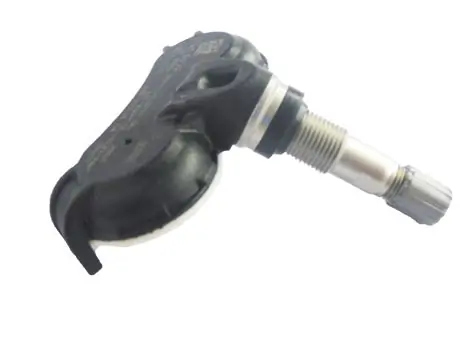
Discover everything about TRW TPMS sensors, including their benefits, functionality, selection tips, and essential maintenance for optimal performance.In the realm of automotive safety and efficiency, TRW TPMS sensors stand out as essential components for modern vehicles. Tire Pressure Monitoring Systems (TPMS) play a crucial role in ensuring optimal tire performance, preventing accidents, and enhancing fuel efficiency. As car technology advances, understanding the functionality and benefits of TRW TPMS sensors becomes increasingly important for every vehicle owner. In this blog post, we will explore what TRW TPMS sensors are, delve into their numerous benefits, and explain how they operate. We’ll also provide guidance on selecting the right sensor for your vehicle, along with essential maintenance tips to ensure longevity and reliability. Whether you’re driving an everyday commuter car or a high-performance vehicle, getting to know TRW TPMS sensors will empower you to make informed decisions about your vehicle’s tire health.
What are TRW TPMS sensors?
TRW TPMS sensors are an essential component of modern vehicle safety systems. TPMS stands for Tire Pressure Monitoring System, and these sensors are responsible for monitoring the air pressure within the tires of a vehicle. By providing real-time data regarding tire health, TRW TPMS sensors help ensure optimal vehicle performance and safety.
These sensors provide critical information to the driver about tire pressure levels, alerting them to any issues that may arise, such as low tire pressure. This feature not only improves the driving experience but also contributes to fuel efficiency and prolongs the lifespan of tires.
TRW, a reputable brand in the automotive sector, designs TPMS sensors that can be directly integrated into the tire valve or located inside the tire itself. These sensors communicate data wirelessly to the vehicle’s onboard computer system, which displays crucial information to the driver.
Key Features of TRW TPMS Sensors:
- Real-time Monitoring: Constantly checks tire pressure levels.
- Direct and Indirect Systems: Compatible with various TPMS configurations.
- Durability: Built to withstand harsh road conditions.
- Easy Integration: Simplifies installation with most vehicles.
In summary, TRW TPMS sensors serve as a vital technology ensuring that drivers are informed about their tire conditions, promoting enhanced safety on the road.
Benefits of using TRW TPMS sensors
TRW Tire Pressure Monitoring System (TPMS) sensors are essential components for modern vehicles, designed to enhance safety and performance. Here are some significant benefits of using TRW TPMS sensors:
- Improved Safety: One of the primary advantages of TRW TPMS sensors is the increased safety they provide. By constantly monitoring tire pressure, these sensors alert you to any significant drops, reducing the risk of tire blowouts and accidents.
- Fuel Efficiency: Properly inflated tires can significantly improve fuel economy. TRW TPMS sensors help maintain optimal tire pressure, which leads to better fuel efficiency—saving you money at the pump.
- Extended Tire Life: Keeping tires inflated to the correct pressure can help extend their lifespan. TRW TPMS sensors provide timely alerts, allowing drivers to adjust tire pressure as needed, which can prevent premature wear and tear.
- Enhanced Vehicle Performance: Balanced tire pressure contributes to better handling and performance. TRW TPMS sensors help ensure that tires are always maintained at the correct pressure, enhancing overall vehicle performance.
- Convenience and Peace of Mind: With TRW TPMS sensors, drivers can enjoy peace of mind knowing that their vehicle is constantly being monitored for tire pressure issues. This convenience allows for a more enjoyable driving experience without the constant need to check tire pressures manually.
In summary, TRW TPMS sensors offer numerous benefits that contribute to safety, efficiency, and vehicle performance. By integrating these sensors into your vehicle, you enhance not only your driving experience but also your safety on the road.
How do TRW TPMS sensors work?
TRW TPMS (Tire Pressure Monitoring System) sensors are advanced devices designed to monitor the air pressure within tires in real-time. Understanding how these sensors work is essential for maintaining vehicle safety and performance.
Components of TRW TPMS Sensors
The functioning of TRW TPMS sensors relies on several key components:
- Pressure Sensor: This component measures the tire’s air pressure.
- Temperature Sensor: Monitors the temperature within the tire.
- Transmitters: Send pressure and temperature data to the vehicle’s onboard computer.
- Battery: Powers the sensor, typically designed to last several years.
How They Measure Tire Pressure
When the vehicle is in motion, the TRW TPMS sensor continuously evaluates the tire’s air pressure and temperature. If the pressure falls below a specific threshold, the sensor detects the change and activates the transmitter. This transmitter sends alerts to the vehicle’s dashboard, often in the form of a warning light.
Data Transmission
The data gathered is wirelessly transmitted to the vehicle’s central processing unit (CPU). The system can interpret the data and provide the driver with useful information regarding:
- Current tire pressure level
- Temperature fluctuations that may indicate issues
- Alerts for deflated tires or overinflated conditions
Types of TRW TPMS Sensors
TRW produces both direct and indirect TPMS sensors:
| Type | Description |
|---|---|
| Direct TPMS | Measures tire pressure using individual sensors for each tire. |
| Indirect TPMS | Estimates tire pressure based on wheel speed and ABS sensors. |
The choice between direct and indirect systems can vary based on vehicle design and user preferences, but both provide critical information to help maintain optimal tire performance.
Advantages of TRW TPMS Sensors
Employing TRW TPMS sensors offers numerous advantages:
- Enhanced safety through continuous monitoring
- Improved fuel efficiency as properly inflated tires reduce rolling resistance
- Prolonged tire life due to better maintenance
- Fewer instances of tire blowouts or failures
In conclusion, understanding how TRW TPMS sensors work is crucial for vehicle owners who prioritize safety and performance. Regular checks and maintenance of the TPMS can lead to a significantly safer driving experience.
Choosing the right TRW TPMS sensor
When it comes to TPMS sensors, selecting the right one for your vehicle is crucial to ensure optimal performance and safety. TRW offers a range of options tailored to fit different vehicle models and specifications. Below are some key factors to consider when choosing the right TRW TPMS sensor.
1. Compatibility with Your Vehicle
One of the first things to check is the compatibility of the TRW TPMS sensor with your vehicle’s make and model. Ensure that the sensor is designed to work with your specific vehicle’s TPMS system.
2. Sensor Type
TRW TPMS sensors come in two main types: direct and indirect sensors. Direct sensors measure the actual tire pressure, while indirect sensors rely on the vehicle’s ABS system to estimate it. Your choice will depend on your existing system and preferences.
| Sensor Type | Features |
|---|---|
| Direct TPMS | Real-time tire pressure readings, better accuracy |
| Indirect TPMS | Cost-effective, relies on wheel speed sensors |
3. Frequency
Ensure that the frequency of the TRW TPMS sensor matches the frequency used by your vehicle’s TPMS system. Mismatched frequencies can lead to communication issues between the sensor and the vehicle.
4. Battery Life
Check the expected battery life of the TRW TPMS sensor. Most sensors come with a built-in battery, and the longevity of this battery can affect performance. Opt for sensors with longer battery life to minimize the need for replacement.
5. Installation Requirements
Consider how the sensor will be installed. Some TRW TPMS sensors are easier to install than others, which can save time and costs. If you’re unsure about installation, consult with a professional.
6. Brand Reputation and Warranty
TRW is a reputable brand known for its quality products. Look for warranties and customer reviews when choosing a sensor to ensure you are making a reliable purchase.
In summary, choosing the right TRW TPMS sensor involves careful consideration of compatibility, type, frequency, battery life, installation, and brand reputation. By taking the time to assess these factors, you can ensure that your vehicle’s tire monitoring system operates effectively, helping you maintain safe driving conditions.
Maintenance tips for TRW TPMS sensors
Maintaining your TRW TPMS sensors is essential for ensuring optimal performance and longevity. These sensors play a crucial role in monitoring your vehicle’s tire pressure, helping to prevent accidents and increase fuel efficiency. Below are some valuable maintenance tips to keep your TRW TPMS sensors in excellent working condition:
Regular Visual Inspections
- Check for any signs of physical damage, such as cracks or corrosion.
- Inspect the valve stem where the sensor is attached; ensure it isn’t leaking air.
- Look for any dirt or debris that may affect the sensor’s functionality.
Check Tire Pressure Regularly
Maintaining the correct tire pressure is crucial for the health of your TRW TPMS sensors. Follow these steps:
- Use a reliable tire pressure gauge to monitor your tire pressure at least once a month.
- Make sure to check the tire pressure when the tires are cold for accurate readings.
- Always refer to your vehicle’s manual for the manufacturer’s recommended tire pressure.
Replace Batteries as Needed
The batteries in TRW TPMS sensors typically last around 5 to 10 years. Keep these tips in mind:
- Be aware of the signs of low battery life, such as warning lights on your dashboard.
- Consider replacing sensors proactively if they are nearing the end of their battery life.
- Follow the manufacturer’s instructions for battery replacement or consult a professional.
Monitor Warning Alerts
Your vehicle dashboard may display warning alerts if there’s an issue with the TPMS. Make sure to:
- Respond promptly to any alerts and investigate the potential causes.
- Consult your vehicle’s manual or a professional if you are unsure about addressing the issue.
Professional Calibration and Service
It’s important to have your TRW TPMS sensors professionally calibrated on a regular basis:
- Schedule professional service after replacing tires or wheels to ensure proper sensor placement.
- Have a professional check the sensors during routine vehicle inspections.
By following these maintenance tips, you can ensure that your TRW TPMS sensors operate effectively and help keep your vehicle safe on the road.
Frequently Asked Questions
What are TRW TPMS sensors?
TRW TPMS sensors are tire pressure monitoring system sensors manufactured by TRW, designed to monitor the air pressure within a vehicle’s tires to enhance safety and fuel efficiency.
How do TRW TPMS sensors work?
TRW TPMS sensors use a combination of pressure and temperature sensing technologies to continuously monitor tire pressure. They send this information to the vehicle’s onboard computer system, alerting drivers if tire pressure falls below a safe level.
Why is it important to maintain proper tire pressure with TRW TPMS sensors?
Maintaining proper tire pressure is crucial for safety, as under-inflated tires can lead to poor handling, increased tire wear, and a higher risk of tire blowouts. Additionally, proper tire pressure can contribute to better fuel efficiency.
Can TRW TPMS sensors be installed in any vehicle?
TRW TPMS sensors are designed to be compatible with a wide range of vehicles, but it’s essential to ensure that any sensors installed match the vehicle’s specifications and monitoring system requirements.
What are the benefits of using TRW TPMS sensors over other brands?
TRW TPMS sensors are known for their reliability and accuracy. They also offer a range of features, including advanced diagnostics, ease of installation, and compatibility with various vehicle models.
How do I know if my TRW TPMS sensors are functioning correctly?
You can check the functioning of your TRW TPMS sensors by observing the dashboard warning lights, performing a visual inspection of tire pressure, and using a TPMS diagnostic tool to read sensor data for any faults.
What should I do if a TRW TPMS sensor alerts me about low tire pressure?
If a TRW TPMS sensor alerts you to low tire pressure, you should immediately check the tire pressure, inflate the tire to the recommended level, and inspect for any punctures or leaks. If the warning persists, consult a professional for further diagnosis.