
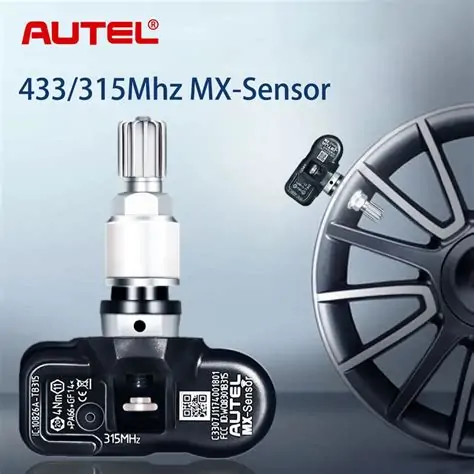
Discover the essentials of TPMS sensors, their benefits and challenges, installation tips, and how to choose the right universal TPMS sensors for your vehicle.In the world of automotive safety and technology, Tire Pressure Monitoring System (TPMS) sensors play a crucial role in ensuring optimal tire performance and vehicle safety. This blog post delves into the fascinating realm of universal TPMS sensors, exploring their significance and practicality for various vehicles. As drivers increasingly seek solutions that enhance performance and safety while offering convenience, universal TPMS sensors have risen to popularity. However, with their many benefits also come certain challenges. In this guide, we will break down what TPMS sensors are, discuss the advantages and obstacles associated with universal models, provide insights on installation, and offer tips for selecting the right sensors for your needs. Whether you’re a seasoned automotive enthusiast or a casual driver, understanding universal TPMS sensors is essential for making informed decisions about your vehicle’s tire health.
What are TPMS sensors?
TPMS stands for Tire Pressure Monitoring System. These sensors are essential components designed to monitor the air pressure inside vehicle tires. The main purpose of these sensors is to alert the driver when tire pressure falls below a certain threshold, which could lead to tire failure or accidents due to loss of traction or control.
There are two primary types of TPMS sensors:
- Direct TPMS: These sensors are installed within each tire and provide real-time pressure readings directly to the vehicle’s onboard computer.
- Indirect TPMS: Instead of using physical sensors, these systems estimate tire pressure based on the wheel speed sensor’s data and other vehicle dynamics.
In modern vehicles, TPMS sensors contribute significantly to safety and efficiency by ensuring tires are inflated to their optimal levels. Here are some key functions performed by TPMS:
| Function | Description |
|---|---|
| Pressure Monitoring | Constantly checks tire pressure to ensure it is within the recommended range. |
| Alerts | Sends visual or audible alerts to the driver when tire pressure is low. |
| Improves Fuel Efficiency | Proper tire pressure enhances fuel economy, reducing overall fuel costs. |
| Enhances Safety | Reduces the risk of blowouts and improves vehicle handling and stability. |
Overall, TPMS sensors play a crucial role in modern vehicle safety measures and contribute to better vehicle performance, making them an indispensable part of the automotive landscape.
Benefits of universal TPMS sensors
Universal TPMS sensors, or Tire Pressure Monitoring System sensors, have gained significant popularity for a variety of reasons. These sensors are essential components in modern vehicles, providing real-time pressure data and enhancing safety.
Key Benefits of Universal TPMS Sensors
- Cost-Effective Solution: Universal TPMS sensors are generally more affordable than their OEM counterparts, making them an attractive option for budget-conscious consumers.
- Wide Compatibility: Designed to fit various makes and models, universal TPMS sensors save time and effort during vehicle servicing. They eliminate the need for multiple sensor types in inventory.
- Ease of Installation: These sensors are relatively easy to install. Many systems are designed to work with no additional programming required, which can streamline the replacement process.
- Enhanced Safety: By providing continuous monitoring of tire pressure, universal TPMS sensors help prevent accidents caused by under-inflated tires, contributing to safer driving experiences.
- Improved Fuel Efficiency: Proper tire pressure aids in fuel efficiency. Well-maintained tire pressure can lead to better fuel consumption and reduced greenhouse gas emissions.
Reliability and Performance
While universal TPMS sensors may not always match the specifications of OEM sensors, they are designed to meet strict regulatory standards, ensuring adequate performance in diverse driving conditions. Many high-quality universal sensors offer durable construction, weather resistance, and high accuracy.
Conclusion
The adoption of universal TPMS sensors provides drivers with a blend of affordability, compatibility, and enhanced safety. By investing in these sensors, vehicle owners can enjoy the peace of mind that comes from knowing their tires are properly monitored and maintained.
Challenges of universal TPMS sensors
Tire Pressure Monitoring Systems (TPMS) are essential for maintaining vehicle safety and efficiency. While universal TPMS sensors offer convenience and compatibility, they also pose several challenges. Let’s explore some of the common hurdles associated with these sensors:
- Compatibility Issues: Not all vehicles are compatible with universal TPMS sensors. Manufacturers often have specific requirements, and a universal sensor may not function correctly with every vehicle model.
- Calibration Difficulties: Some vehicles require specific calibration procedures when new sensors are installed. If miscalibrated, the sensors can provide inaccurate readings, leading to potential safety risks.
- Sensor Reliability: The reliability of universal TPMS sensors can vary significantly. Some may not be as durable or accurate as original equipment manufacturer (OEM) sensors, particularly in extreme weather conditions.
- Regulatory Compliance: Compliance with local regulations is crucial. Universal TPMS sensors may not meet the necessary safety standards in all regions, leading to potential legal issues.
- Battery Life: Many universal TPMS sensors are battery-operated. The lifespan of the battery can vary, and a failure may require the complete replacement of the sensor, leading to additional costs.
Each of these challenges must be carefully considered when opting for universal TPMS sensors. Vehicle owners should do thorough research and possibly consult with professionals to ensure they make informed decisions regarding the safety and performance of their vehicles.
Installation of universal TPMS sensors
Installing universal TPMS sensors is a crucial step in maintaining your vehicle’s tire health and ensuring optimal performance. Tire Pressure Monitoring Systems (TPMS) help monitor tire pressure, enhancing safety through early detection of tire issues. Below is a step-by-step guide to assist you in the installation process of these sensors.
Tools and Materials Needed
- Universal TPMS sensors
- Tire iron
- Tire pressure gauge
- Valve tool
- Torque wrench
- Air compressor
- Impact wrench (optional)
Steps to Install Universal TPMS Sensors
- Prepare the Vehicle: Start by parking your vehicle on a flat surface and ensuring the engine is off. Engage the parking brake to prevent any movement.
- Remove the Tire: Use the tire iron to loosen and remove the lug nuts on the tire where the TPMS sensor will be installed. Carefully remove the tire from the wheel hub.
- Access the Valve Stem: Locate the valve stem on the wheel. If you are replacing an existing sensor, use the valve tool to remove the old sensor.
- Install the New Sensor: Take the universal TPMS sensor and securely attach it to the valve stem. Follow the manufacturer’s instructions for specific mounting guidelines, as they may vary.
- Inflate the Tire: Using an air compressor, inflate the tire to the recommended PSI level as indicated on the vehicle’s placard. After inflation, replace the valve cap.
- Reattach the Tire: Place the tire back onto the wheel hub, ensuring it aligns correctly. Hand-tighten the lug nuts to keep the tire in place.
- Tighten Lug Nuts: Using a torque wrench, tighten the lug nuts to the vehicle’s specified torque settings, ensuring they are securely fastened.
- Test the Installation: Start the vehicle and check if the TPMS warning light on the dashboard is illuminated. If all is well, the light should turn off after a few moments.
Final Checks
After installation, it’s recommended to regularly monitor the TPMS sensors and perform routine checks on tire pressure. For longer-lasting performance, maintain proper tire care, including regular rotations and alignments.
By following these steps, you can effectively install universal TPMS sensors yourself, ensuring that your vehicle remains safe and efficient on the road.
Choosing the right universal TPMS sensors
When it comes to selecting the right universal TPMS sensors, there are several factors to consider to ensure proper functionality and compatibility with your vehicle. Universal TPMS sensors are designed to work with various makes and models, but not all sensors are created equal. Here are some key points to keep in mind:
- Compatibility: Always check the compatibility of the TPMS sensor with your vehicle model. Some sensors may work better with certain brands or types of vehicles.
- Battery Life: Look for sensors with a long battery life to avoid frequent replacements. A longer lifespan means less maintenance and more reliability.
- Signal Range: Evaluate the signal range of the TPMS sensors. Ideally, you want sensors that can communicate effectively with the vehicle’s onboard computer.
- Data Accuracy: Ensure the sensors provide accurate readings for tire pressure and temperature. Accurate data is vital for maintaining safety on the road.
- Ease of Installation: Choose sensors that are easy to install. Some universal TPMS sensors come pre-programmed, making installation a breeze.
- Brand Reputation: Opt for sensors from reputable brands known for quality and customer support. Research reviews and recommendations before making a purchase.
To further assist you in making an informed decision, consider the following table summarizing some popular universal TPMS sensors:
| Brand | Battery Life | Compatibility | Price Range |
|---|---|---|---|
| Brand A | 5 years | Wide range of vehicles | $30 – $50 |
| Brand B | 3 years | Mostly Japanese vehicles | $25 – $45 |
| Brand C | 4 years | American & European vehicles | $35 – $55 |
In summary, the process of choosing the right universal TPMS sensors involves careful consideration of compatibility, battery life, signal range, data accuracy, ease of installation, and brand reputation. By prioritizing these factors, you can ensure that you select sensors that will keep your vehicle safe and your tires properly monitored.
Frequently Asked Questions
What are TPMS sensors?
TPMS sensors, or Tire Pressure Monitoring System sensors, are devices that monitor the air pressure in a vehicle’s tires and alert the driver when the pressure falls below a specified level.
What are the benefits of universal TPMS sensors?
Universal TPMS sensors are versatile and designed to work with multiple vehicle makes and models, making them a cost-effective solution for maintaining proper tire pressure across different vehicles.
How do universal TPMS sensors work?
Universal TPMS sensors work by using a pressure sensor, a temperature sensor, and a radio transmitter to monitor tire conditions and communicate the data to the vehicle’s onboard computer.
Can I install universal TPMS sensors myself?
While some vehicle owners may choose to install universal TPMS sensors themselves, it is recommended to have a professional install them to ensure proper calibration and functionality.
Are universal TPMS sensors reliable?
Yes, universal TPMS sensors are generally reliable as long as they are of high quality and compatible with the vehicle. They should meet the required safety standards for tire monitoring.
How do I know if my TPMS sensors need replacing?
Signs that your TPMS sensors may need replacing include a warning light on the dashboard, inconsistent tire pressure readings, or if the sensors are damaged during a tire change.
What is the average lifespan of a TPMS sensor?
The average lifespan of a TPMS sensor is typically between 5 to 10 years, depending on usage and exposure to environmental factors.