
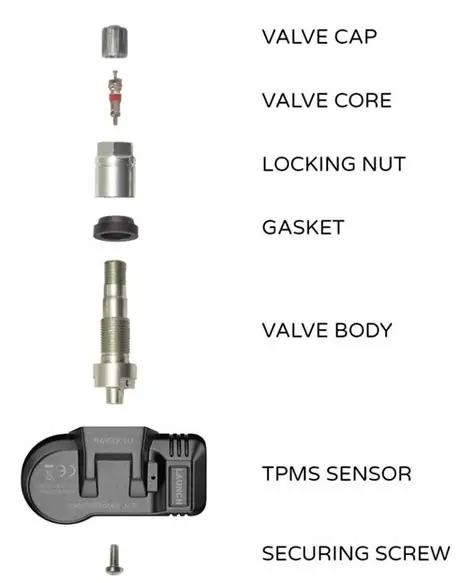
Explore everything about TPMS sensors, including their reusability, handling, storage, testing procedures, and the benefits of reusing them for optimal vehicle safety.When it comes to tire maintenance, the Tire Pressure Monitoring System (TPMS) plays a crucial role in ensuring safety and efficiency on the road. As vehicle owners increasingly seek ways to save costs and minimize waste, a common question arises: can TPMS sensors be reused? In this blog post, we will explore the fundamentals of TPMS sensors, shedding light on their functionality and importance. We will then delve into the key factors that influence whether these sensors can be effectively reused, along with essential tips for proper handling and storage. Additionally, we’ll outline the testing and resetting procedures necessary for reused sensors to work optimally. Finally, we’ll highlight the benefits of reusing TPMS sensors, not only for your wallet but for the environment as well. Join us as we navigate through the intricacies of TPMS sensors and their reusability!
Understanding TPMS Sensors
TPMS (Tire Pressure Monitoring System) sensors play a critical role in vehicle safety and performance. They are designed to monitor the air pressure inside each tire and provide real-time feedback to the driver. Understanding these sensors is essential for maintaining optimal tire pressure, enhancing fuel efficiency, and ensuring overall vehicle safety.
How TPMS Sensors Work
TPMS sensors are equipped with pressure sensors that detect the air pressure in tires. These sensors transmit data to a central control unit, which alerts the driver through a warning light on the dashboard if tire pressure falls below safe levels.
Types of TPMS Sensors
- Direct TPMS: This type uses pressure sensors mounted inside each tire. They provide precise tire pressure readings.
- Indirect TPMS: This system monitors tire circumference and speed to estimate tire pressure. It does not have individual sensors but uses the vehicle’s ABS to determine tire health.
Importance of TPMS
Maintaining proper tire pressure is vital for numerous reasons:
- Safety: Under-inflated tires can lead to reduced traction and increase the risk of blowouts.
- Fuel Efficiency: Properly inflated tires improve fuel economy by reducing rolling resistance.
- Tire Longevity: Consistent tire pressure helps extend the lifespan of tires, saving money on replacements.
In summary, understanding TPMS sensors and their functionality is essential for vehicle owners. These sensors provide valuable insights into tire pressure, contributing to safer and more efficient driving experiences.
Factors Affecting Reusability
When it comes to TPMS sensors (Tire Pressure Monitoring System sensors), their reusability is a hot topic among automotive professionals and car enthusiasts alike. There are several factors that can influence whether or not a TPMS sensor can be reused effectively and safely. Here are the key factors to consider when evaluating the reusability of TPMS sensors:
- Condition of the Sensor: The physical state of the sensor is paramount. If the sensor is damaged, corroded, or malfunctioning, it is not recommended to reuse it. Visual inspections can often reveal significant wear or damage.
- Battery Life: TPMS sensors typically have a built-in battery with a lifespan of about 5 to 10 years. If the battery is low, the sensor may fail to operate as intended, so checking the battery status is crucial.
- Compatibility: Ensure that the TPMS sensors are compatible with the vehicle’s make and model. Even if the sensors are in good condition, they must be compatible with the car’s TPMS system to function properly.
- Previous Usage: Sensors that have been previously used might have reduced effectiveness, especially if they were not handled or stored correctly. The wear and tear from past use can affect their reliability.
- Environmental Factors: Exposure to extreme temperatures, moisture, or chemicals can adversely affect the sensors. Assessing their environment during previous use is vital in determining reusability.
In summary, the reusability of TPMS sensors depends on their condition, battery life, compatibility, previous usage, and environmental factors. Making an informed decision based on these criteria will help ensure that reused sensors continue to provide accurate tire pressure readings, ultimately enhancing safety and performance on the road.
Proper Handling and Storage
Proper handling and storage of TPMS sensors (Tire Pressure Monitoring System sensors) is essential for ensuring their longevity and functional integrity. Whether you’re a professional technician or a DIY enthusiast, understanding the right techniques can help in maintaining these crucial components.
Key Guidelines for Proper Handling
- Wear Protective Gear: Always wear gloves to prevent contamination from oils or other substances that can affect the sensor’s functionality.
- Avoid Dropping: Handle sensors carefully to avoid physical shocks which can damage internal components.
- Keep Clean: Ensure that the working area and the sensors themselves are free from debris and moisture.
Storage Recommendations
| Condition | Recommendation |
|---|---|
| Temperature: | Store TPMS sensors in a cool, dry place (ideally between 50°F and 80°F). |
| Humidity: | Keep humidity levels low to prevent corrosion and damage. |
| Position: | Store sensors in a vertical position to avoid stress on the components. |
| Packaging: | Keep sensors in their original packaging or in anti-static bags to prevent static discharge. |
Additional Tips
Always document the storage date and conditions to ensure proper tracking of your TPMS sensors. This can be invaluable for warranty claims or when assessing sensor life expectancy.
By following these guidelines for proper handling and storage, you can enhance the performance and reliability of your TPMS sensors, ensuring they function effectively when needed.
Testing and Resetting Procedures
When it comes to TPMS sensors, ensuring they are functioning properly is essential, especially if you’re considering reusing them. Below are the key procedures for testing and resetting your TPMS sensors to guarantee that your vehicle’s tire monitoring system is accurate and effective.
1. Testing TPMS Sensors
Before deciding to reuse a TPMS sensor, it’s important to perform some tests to ensure it’s operational. The following methods can be used:
- Visual Inspection: Check for any signs of physical damage, such as cracks or corrosion on the sensor body.
- TPMS Scanner: Utilize a TPMS diagnostic tool to read the sensor’s data. This tool can provide information on sensor ID, battery status, and signal strength.
- Tire Pressure Check: Ensure that the tire pressure matches the manufacturer’s specifications. If the TPMS sensor indicates a pressure issue when the tire is properly inflated, it may need replacement.
2. Resetting TPMS Sensors
If the sensors are functioning but you’re experiencing false readings or errors, they may need a reset. Here are the common methods to reset your TPMS sensors:
- Manual Reset: Most vehicles allow you to reset the TPMS by locating the reset button, usually found under the steering wheel or in the glove box. Turn on the ignition without starting the engine, press and hold the reset button until the TPMS indicator light blinks three times, then release.
- Automatic Reset: After properly inflating the tires to the correct pressure, some vehicles will automatically reset the TPMS. Drive the vehicle for a short distance to help the system recognize the new pressures.
- Using a TPMS Tool: If manual or automatic resets are unsuccessful, a professional TPMS tool can be utilized to reset the sensors accurately.
3. Rechecking Sensor Functionality
After the testing or resetting procedures, it is crucial to recheck the functionality of the TPMS sensors:
- Re-scan the sensors with the TPMS tool to confirm they are transmitting accurate data.
- Verify that the TPMS warning light has turned off on your dashboard, indicating that everything is operating optimally.
- Test drive the vehicle for a few miles to ensure that the TPMS system stabilizes and continues to report accurate data.
By following these testing and resetting procedures, you can confidently determine if your TPMS sensors are suitable for reuse. Remember that handling and storage, as well as proper maintenance, are critical for the longevity of these crucial components.
Benefits of Reusing TPMS Sensors
Reusing TPMS (Tire Pressure Monitoring System) sensors can be a smart decision for both car owners and automotive professionals alike. The growing emphasis on sustainability and cost-effectiveness in automotive maintenance makes the practice of reusing these sensors increasingly appealing. Below are some significant benefits associated with reusing TPMS sensors:
- Cost Savings: One of the most immediate benefits of reusing TPMS sensors is the reduction in costs. Instead of purchasing new sensors, reusing existing ones allows you to save money on parts and labor.
- Environmental Impact: Reusing TPMS sensors contributes to environmental sustainability by minimizing waste. By extending the life cycle of existing sensors, you’re helping to reduce the number of sensors that end up in landfills.
- Time Efficiency: Reinstalling and reprogramming existing sensors can save time compared to sourcing and installing new ones. This efficiency is particularly beneficial in busy shops or for individuals managing their own vehicle maintenance.
- Performance Consistency: TPMS sensors are often calibrated to work best with particular vehicles. Reusing a sensor that has already been in the vehicle can ensure that it continues to work optimally without the need for additional calibration.
- Familiarity with History: Using previously installed TPMS sensors can provide valuable insights into their performance history. If a sensor has been well-maintained and observed for any irregularities, it’s often wiser to reuse it rather than introducing a new, untested sensor.
- Convenience: For frequent tire changes or seasonal tire swaps, reusing TPMS sensors allows for easier handling. You are likely to manage fewer items, making your work more organized and streamlined.
In summary, the benefits of reusing TPMS sensors are varied and substantial. From cost savings to environmental considerations, it’s a practice well worth considering for anyone involved in vehicle maintenance.
Frequently Asked Questions
What are TPMS sensors?
TPMS stands for Tire Pressure Monitoring System. These sensors monitor the air pressure inside the tires and alert the driver when a tire is significantly under-inflated.
Can TPMS sensors be reused after tire replacement?
Yes, TPMS sensors can typically be reused when new tires are being installed, provided they are still functioning properly.
What should I check before reusing TPMS sensors?
Before reusing TPMS sensors, you should check for any physical damage, ensure the battery is still functional, and verify that the sensors are appropriately relearned to the vehicle.
How long do TPMS sensors last?
Most TPMS sensors have a lifespan of about 5 to 10 years, depending on usage and environmental conditions.
What happens if I don’t reuse TPMS sensors?
If you choose not to reuse TPMS sensors, you will need to purchase new ones, which can add to the cost of tire replacement.
Are there different types of TPMS sensors?
Yes, there are two main types of TPMS sensors: direct and indirect. Direct sensors measure the actual tire pressure, while indirect systems use the vehicle’s ABS to estimate tire pressure based on wheel speed.
Can I install TPMS sensors myself?
While some DIY enthusiasts may choose to install TPMS sensors themselves, it is generally recommended to have them installed by a professional to ensure proper calibration and handling.