
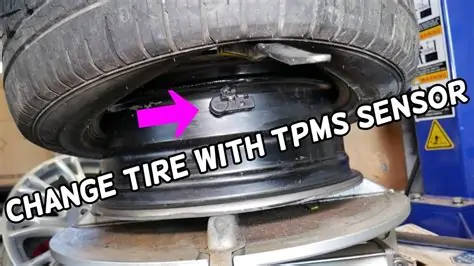
Explore the essentials of TPMS sensors, their purpose, location, benefits for spare tires, and maintenance tips for optimal vehicle safety.When it comes to vehicle safety and performance, understanding the intricacies of your tire management system can make a significant difference. One critical component of this system is the Tire Pressure Monitoring System (TPMS) sensor, but what happens when it comes to your spare tire? Many drivers may not realize the importance of a TPMS sensor in their spare tire, nor do they understand how its presence—or absence—can impact emergency situations. In this blog post, we will explore the introduction to the TPMS sensor, its purpose, and crucially, where it is located in relation to your spare tire. Additionally, we will examine the benefits of having a spare tire TPMS sensor and the maintenance required to ensure it functions optimally. Join us as we delve into the essential details of this often-overlooked aspect of vehicle safety.
Introduction to TPMS Sensor
The Tire Pressure Monitoring System (TPMS) is an essential safety feature in modern vehicles designed to monitor the air pressure in the tires. Proper tire pressure is crucial for safety, fuel efficiency, and tire longevity. By keeping an eye on tire pressure, the TPMS helps to prevent blowouts and improves overall vehicle performance.
There are two main types of TPMS sensors:
- Direct TPMS: These sensors are mounted on each tire’s valve stem and directly measure the air pressure. They transmit real-time data to the car’s onboard computer system.
- Indirect TPMS: This system does not use pressure sensors but instead estimates tire pressure by monitoring the rotational speed of the tires using the antilock braking system (ABS) sensors.
The TPMS warning light on the dashboard serves as an alert for the driver, indicating low tire pressure. When the light comes on, it typically means that one or more of the tires are significantly underinflated and requires immediate attention.
In addition to enhancing safety, maintaining the correct tire pressure can lead to better fuel economy and reduced tire wear. Knowing how TPMS sensors work and their importance can empower drivers to take proactive measures in maintaining their vehicle’s performance.
Purpose of TPMS Sensor
The Tire Pressure Monitoring System (TPMS) sensor plays a crucial role in maintaining vehicle safety and performance. Its primary purpose is to constantly monitor the air pressure in the vehicle’s tires and alert the driver when the pressure falls below a certain threshold. This is essential for a variety of reasons:
- Safety: Under-inflated tires can significantly increase the risk of tire blowouts, which can lead to accidents. The TPMS sensor helps prevent such dangerous situations by providing real-time pressure readings.
- Fuel Efficiency: Maintaining the correct tire pressure improves fuel efficiency. When tires are properly inflated, the vehicle doesn’t have to work as hard, leading to better gas mileage. The TPMS sensor alerts drivers to low tire pressure, helping them optimize fuel consumption.
- Tire Longevity: Properly inflated tires wear evenly and last longer. By monitoring tire pressure, the TPMS sensor helps extend the life of your tires, saving you money on replacements.
- Environmental Impact: Improved fuel efficiency from well-maintained tires reduces emissions, contributing to a lower carbon footprint and benefiting the environment.
In summary, the TPMS sensor serves as an important tool for ensuring vehicle safety, enhancing fuel efficiency, extending the lifespan of tires, and minimizing the environmental impact of vehicle operation. Keeping an eye on tire pressure through the TPMS sensor is a simple yet effective way to promote road safety and improve vehicular performance.
Location of TPMS Sensor
The Tire Pressure Monitoring System (TPMS) is a crucial component in modern vehicles, designed to ensure that tire pressures remain within optimal levels. Understanding the location of the TPMS sensor is key to maintaining your vehicle’s safety and performance. Below are some key points regarding the location of the TPMS sensor:
- In the Tire Valve Stem: Most commonly, the TPMS sensor is located within the tire, mounted on the valve stem. This position allows for direct monitoring of the air pressure inside the tire.
- In the Tire Itself: Many vehicles have a separate type of sensor that is attached to the tire’s interior, usually on the inner side of the tire. This device measures the pressure and transmits data to the vehicle’s computer system.
- Spare Tire: It’s important to note that not all spare tires come equipped with a TPMS sensor. In many cases, the spare tire’s sensor may not be operational, or the spare itself may not have one unless it is a full-sized spare.
Understanding the location of the TPMS sensors can help vehicle owners troubleshoot issues related to tire pressure. If your vehicle’s TPMS warning light is illuminated, inspecting the tires, including the spare, for a functional sensor is a prudent step.
For a better understanding and detailed guidance on TPMS sensors, here is a comparison of sensor placements:
| Location | Sensor Type | Benefits |
|---|---|---|
| Tire Valve Stem | Direct TPMS | Immediate pressure readings, easy installation |
| Inside the Tire | Indirect TPMS | Less prone to damage, provides accurate data |
| Spare Tire | Varies | Potentially no monitoring, advisable to check periodically |
In conclusion, knowing where the TPMS sensor is located can enhance your vehicle maintenance routine and help ensure road safety.
Benefits of Spare Tire TPMS Sensor
A Tire Pressure Monitoring System (TPMS) sensor is essential for ensuring the safety and performance of your vehicle. This includes not only your regular tires but also your spare tire. Below are some significant benefits of having a TPMS sensor in your spare tire.
- Improved Safety: Ensuring your spare tire is at the correct pressure can drastically reduce the risk of tire blowouts. A TPMS sensor alerts you if the spare tire is under-inflated, keeping you safe in emergencies.
- Convenience: With a TPMS sensor, you won’t have to manually check the pressure of the spare tire. You’ll receive warnings directly on your dashboard, making it easier to maintain optimal tire health.
- Enhanced Vehicle Performance: Proper tire pressure is crucial for your vehicle’s performance and fuel efficiency. A well-maintained spare can improve overall vehicle handling in case of an emergency tire change.
- Cost Savings: Keeping your spare tire at the ideal pressure can prolong its life, saving you money in the long run. Regularly inflated tires wear down more slowly and can reduce the chances of unexpected expenses from tire-related issues.
- Peace of Mind: Knowing that your spare tire is being monitored gives you confidence during long trips or in areas where help may not be readily available. You’ll be prepared for unexpected situations with a properly functioning spare.
Incorporating a TPMS sensor in your spare tire is a simple yet effective way to ensure your vehicle remains reliable and safe, especially when you need it the most.
Maintenance of TPMS Sensor
The Tire Pressure Monitoring System (TPMS) is crucial for ensuring the safety and efficiency of your vehicle. Proper maintenance of the TPMS sensor can enhance its longevity and reliability. Here are some key points to keep in mind:
- Regular Inspection: It’s important to regularly check the TPMS sensors for any signs of wear or damage. Look for corrosion, cracks, or loose connections.
- Battery Check: Many TPMS sensors are equipped with batteries that can deplete over time. Regularly checking the battery life can prevent unexpected failures. Replace batteries as needed.
- Tire Rotation: When rotating your tires, ensure that the TPMS sensors are properly re-calibrated. This will help maintain accurate readings.
- Update Software: Some TPMS sensors require software updates. Regularly check with your vehicle manufacturer or mechanic to ensure your system is up to date.
- Professional Maintenance: Consider scheduling professional inspections during routine car maintenance. Mechanics can perform comprehensive checks to ensure your TPMS sensors are functioning correctly.
Maintaining your TPMS sensors enhances not just the performance of your vehicle, but also provides peace of mind knowing that your tire pressure is being monitored effectively.
“A well-maintained TPMS is key to safe and efficient driving.”
Frequently Asked Questions
What is a TPMS sensor?
A Tire Pressure Monitoring System (TPMS) sensor is a device that monitors the air pressure in vehicle tires and alerts the driver if the pressure falls below a certain threshold.
Do all vehicles have a TPMS sensor?
Most modern vehicles, particularly those manufactured after 2007, are equipped with TPMS sensors as part of safety regulations.
Is there a TPMS sensor in the spare tire?
Typically, there is no TPMS sensor in the spare tire, especially for temporary or doughnut spare tires. Permanent spares, however, may have a sensor depending on the vehicle’s design.
How can I know if my spare tire has a TPMS sensor?
You can check the vehicle’s owner manual or consult with a tire professional to confirm whether your spare tire is equipped with a TPMS sensor.
What happens if the TPMS light comes on while driving?
If the TPMS light comes on while driving, it indicates that one or more tires may have low pressure or that there is a malfunction in the TPMS system. It’s essential to check the tire pressures and address any issues.
Can a TPMS sensor be reset?
Yes, a TPMS sensor can be reset, usually by following specific procedures outlined in the vehicle’s owner manual or using a TPMS tool.
What should I do if my spare tire is flat and has no TPMS sensor?
If your spare tire is flat and has no TPMS sensor, you can inflate it using a tire inflator or replace it with a new tire, ensuring it is properly inflated before use.