
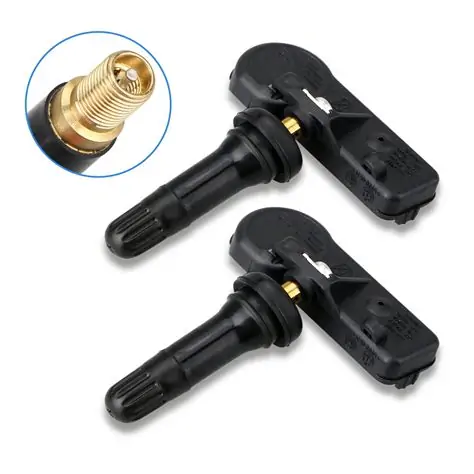
Discover GM OEM TPMS sensors: their benefits, installation guide, maintenance tips, and how to choose the right ones for your vehicle.When it comes to maintaining the safety and performance of your vehicle, one crucial component often overlooked is the Tire Pressure Monitoring System (TPMS) sensor. Specifically, GM OEM TPMS sensors play a vital role in ensuring that your General Motors vehicle operates efficiently by monitoring tire pressure levels in real time. This blog post will delve into the essentials of GM OEM TPMS sensors, exploring their benefits, installation procedures, maintenance tips, and how to choose the right ones for your vehicle. Whether you’re a seasoned car enthusiast or a casual driver, understanding these sensors can enhance your driving experience by improving safety and optimizing fuel efficiency. Join us as we unravel the significance of GM OEM TPMS sensors and provide you with the information you need for a smooth ride.
What are GM OEM TPMS Sensors?
GM OEM TPMS Sensors are specialized tire pressure monitoring sensors designed for General Motors vehicles. These sensors play a crucial role in enhancing vehicle safety and performance by continuously monitoring the air pressure within each tire. The primary function of these sensors is to alert drivers when tire pressure falls below the manufacturer’s recommended levels.
The TPMS, or Tire Pressure Monitoring System, is an essential technology integrated into modern vehicles. It utilizes these OEM sensors to help prevent tire blowouts and other tire-related issues that could compromise vehicle handling and safety.
Key Features of GM OEM TPMS Sensors
- Accurate Monitoring: GM OEM TPMS sensors are engineered to provide precise tire pressure readings, ensuring optimal tire performance.
- Durability: These sensors are built to withstand harsh driving conditions, making them reliable over time.
- Compatibility: Designed specifically for GM vehicles, they ensure seamless integration with the vehicle’s onboard systems.
- Battery Life: Typically, these sensors have a long battery life, reducing the need for frequent replacements.
Understanding how GM OEM TPMS Sensors function can aid drivers in maintaining their vehicles more effectively, ultimately leading to safer and more fuel-efficient driving experiences.
Benefits of Using GM OEM TPMS Sensors
Tire Pressure Monitoring Systems (TPMS) play a crucial role in maintaining vehicle safety and efficiency. Among various options available in the market, GM OEM TPMS Sensors stand out for several reasons. Here are some key benefits of using GM OEM TPMS Sensors:
- Precision and Compatibility: GM OEM TPMS Sensors are specifically engineered to work seamlessly with GM vehicles. This ensures accurate tire pressure readings and optimum compatibility with onboard systems.
- Enhanced Safety: Maintaining the correct tire pressure is vital for safe driving. GM OEM TPMS Sensors provide timely alerts for low tire pressure, significantly reducing the risk of blowouts or accidents.
- Improved Fuel Efficiency: Properly inflated tires can enhance fuel efficiency. GM OEM TPMS Sensors help monitor tire pressure, allowing drivers to maintain optimal tire inflation, thereby saving on fuel costs.
- Durability and Reliability: GM OEM products are known for their exceptional quality and longevity. Using these sensors helps ensure they will last longer and perform reliably under various driving conditions.
- Warranty Protection: Installing GM OEM TPMS Sensors often means that the vehicle remains under the manufacturer’s warranty. This is a significant advantage for owners who prefer to keep their vehicles in optimal condition.
- Ease of Installation: GM OEM TPMS Sensors are designed for straightforward installation, often allowing for quick replacement without requiring specialized tools or extensive mechanical knowledge.
Overall, choosing GM OEM TPMS Sensors offers numerous advantages that contribute to vehicle performance, safety, and efficiency.
How to Install GM OEM TPMS Sensors
Installing GM OEM TPMS Sensors can be a straightforward process if you follow the steps correctly. Below, we will guide you through the installation process, highlighting important considerations.
Tools and Materials Needed
- Socket set (typically 10mm, 12mm)
- Torque wrench
- New GM OEM TPMS Sensors
- Tire lever
- Valve stems (if not included with sensors)
- Ratcheting wrench
- Safety gloves (optional)
Step-by-Step Installation Process
- Preparation: Ensure the vehicle is parked on a level surface. Turn off the ignition and disconnect the battery to prevent any electrical issues.
- Remove the Wheel: Use a jack to lift the vehicle and securely place it on jack stands. Remove the wheel using a socket wrench, taking care to keep track of lug nuts.
- Remove the Tire: If necessary, use a tire lever to remove the tire from the wheel. Be cautious to avoid damaging the rim or tire.
- Replace the Sensor: Locate the TPMS sensor attached to the valve stem. Remove it by unscrewing the valve nut. Replace it with the new GM OEM TPMS Sensor, securing it tightly.
- Reinstall the Tire: Mount the tire back onto the wheel, ensuring the sensor is positioned correctly. Inflate the tire to the recommended pressure.
- Reinstall the Wheel: Place the wheel back onto the vehicle and hand-tighten the lug nuts. Use a torque wrench to secure them to the manufacturer’s specifications.
- Reconnect the Battery: Reconnect the vehicle’s battery and turn on the ignition. This is essential for the TPMS to register the new sensors.
- Check TPMS Functionality: Drive the car for a short distance to see if the TPMS light on the dashboard turns off, confirming that the system has recognized the new sensors.
Important Considerations
– Always refer to your vehicle’s manual for specific instructions regarding your model.
– If you’re uncomfortable with any step in the process, consult a professional mechanic to ensure proper installation.
Remember, proper installation of GM OEM TPMS Sensors helps ensure accurate tire pressure readings, enhancing vehicle safety and performance.
Following these steps will ensure that your GM OEM TPMS Sensors are installed correctly, contributing to your vehicle’s overall safety and efficiency.
Maintenance Tips for GM OEM TPMS Sensors
Maintaining your GM OEM TPMS Sensors is crucial for ensuring the optimal performance of your vehicle’s tire pressure monitoring system. Here are some key maintenance tips to keep your sensors in top shape:
1. Regularly Check Tire Pressure
One of the simplest yet most effective maintenance practices is to regularly check your tire pressure. This ensures that your TPMS sensors function correctly and provide accurate readings. Use a reliable tire pressure gauge and adhere to the manufacturer’s recommended pressure levels.
2. Keep the Sensors Clean
It is important to keep the TPMS sensors clean and free from debris. Dirt or grime can interfere with the sensor’s ability to function properly. To clean the sensors:
- Use a soft cloth or brush to remove any dust or dirt.
- Avoid using harsh chemicals that could damage the sensors.
3. Monitor the Battery Life
The GM OEM TPMS Sensors typically come with a battery that has a finite lifespan. Monitoring the battery life is essential for maintaining sensor functionality:
- Check the vehicle’s manual for the average battery life of your sensors.
- Replace the sensors if the battery is low or has already expired.
4. Be Cautious During Tire Changes
When changing tires, be careful to avoid damaging the TPMS sensors. Here are some tips:
- Inform the tire technician that your vehicle is equipped with TPMS sensors.
- Use recommended tools that are safe for the sensors when mounting or dismounting tires.
5. Schedule Regular Inspections
Regular inspections of your GM OEM TPMS Sensors by a qualified technician can help identify potential issues before they become serious. Schedule an inspection:
- At least annually, or more frequently if you notice any abnormal behavior.
- Immediately if your dashboard lights indicate a problem with tire pressure.
6. Use OEM Parts for Replacement
When it comes to replacing any component of your TPMS system, always opt for OEM parts. They are specifically designed for your vehicle and ensure compatibility:
Using non-OEM parts may lead to inaccurate readings and compromise the safety of your vehicle.
By following these maintenance tips, you can ensure that your GM OEM TPMS Sensors remain functional and reliable, providing you with accurate tire pressure readings and enhancing your vehicle’s safety.
Choosing the Right GM OEM TPMS Sensors
Choosing the right GM OEM TPMS Sensors is crucial for ensuring the proper functioning of your vehicle’s tire pressure monitoring system. These sensors play a vital role in monitoring tire pressure, providing real-time data that can help prevent tire blowouts and enhance fuel efficiency. Here are some important factors to consider when selecting the right GM OEM TPMS Sensors:
1. Compatibility with Your Vehicle
Ensure that the TPMS sensors you choose are compatible with your specific GM vehicle model. Each GM vehicle may have different specifications and requirements, so always verify this information before making a purchase.
2. Sensor Type
GM OEM TPMS sensors come in different types, such as:
- Direct TPMS: Monitors pressure through sensors mounted on the tire valves.
- Indirect TPMS: Estimates pressure based on wheel speed sensors and other metrics.
Your choice between direct and indirect sensors should align with your vehicle’s existing system and capabilities.
3. Brand Reputation
When it comes to components like TPMS sensors, opting for a reputable brand enhances reliability. Ensure you buy sensors manufactured by GM or authorized OEM suppliers to guarantee quality and performance.
4. Easy Installation
Check if the sensors are user-friendly regarding installation. Some sensors may require professional installation, while others are designed for DIY enthusiasts. Confirm whether additional tools or programming tools are needed to install the sensors properly.
| Feature | GM OEM Sensors | Aftermarket Sensors |
|---|---|---|
| Compatibility | Specific to GM Models | Generic fit, may need adaptation |
| Quality | High-quality materials | Varies by manufacturer |
| Warranty | Manufacturer warranty | Warranties vary |
5. Pricing
While cost should not be the only factor in your decision, it’s essential to consider your budget. Compare prices of OEM sensors with aftermarket options but remember that investing in quality can save you costs in the long run through improved performance and durability.
6. Reviews and Recommendations
Before finalizing your choice, read reviews and gather recommendations from trusted automotive forums or mechanics. Customer feedback can provide valuable insights into the performance and reliability of the sensors you’re considering.
Investing in quality GM OEM TPMS sensors not only safeguards your driving experience but also enhances the overall performance of your vehicle. – Automotive Expert
Keeping these factors in mind will help you select the right GM OEM TPMS Sensors, ensuring safety and performance while driving.
Frequently Asked Questions
What are GM OEM TPMS sensors?
GM OEM TPMS sensors are Tire Pressure Monitoring System sensors specifically designed for General Motors vehicles to monitor tire air pressure and alert drivers to any deviations.
How do GM OEM TPMS sensors work?
These sensors work by transmitting tire pressure readings to the vehicle’s onboard computer system. If a tire’s pressure falls below a certain threshold, the system triggers a warning light on the dashboard.
What are the benefits of using OEM TPMS sensors?
Using OEM TPMS sensors ensures compatibility, reliability, and accuracy, as they are specifically designed for GM vehicles and meet the manufacturer’s quality standards.
How can I tell if my GM OEM TPMS sensors are malfunctioning?
Signs of malfunction may include a constant warning light on the dashboard, irregular tire pressure readings, or the inability to reset the TPMS after a tire change.
Can I replace GM OEM TPMS sensors myself?
Yes, you can replace GM OEM TPMS sensors yourself if you have the right tools and knowledge, but it is recommended to seek professional help to ensure proper installation and calibration.
What should I do if my TPMS warning light comes on?
If your TPMS warning light comes on, check your tire pressure immediately. If the pressure is fine, you may need to reprogram or replace the TPMS sensors.
Where can I purchase GM OEM TPMS sensors?
GM OEM TPMS sensors can be purchased from authorized dealerships, auto parts stores, or online retailers that specialize in automotive parts.