
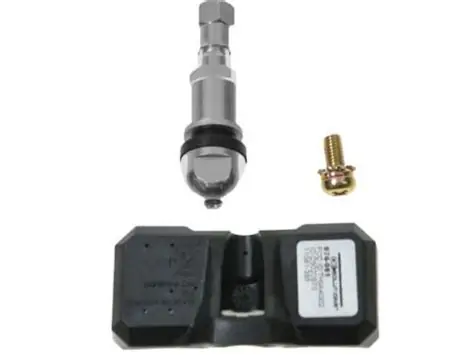
Discover essential insights on TPMS sensors for Dodge Charger, their importance, common issues, upgrade benefits, and tips for effective sensor changes.When it comes to maintaining your Dodge Charger, one often overlooked but crucial component is the Tire Pressure Monitoring System (TPMS) sensors. These small devices play a significant role in ensuring optimal vehicle performance and safety by constantly monitoring tire pressure and alerting you to any discrepancies. With TPMS being a legal requirement in many regions, understanding its significance becomes even more critical for Dodge Charger owners. In this blog post, we will delve into the world of TPMS sensors, exploring their importance, common issues, and how to effectively change or upgrade them. Whether you’re experiencing sensor problems or simply looking to enhance your vehicle’s capabilities, our guide will provide valuable insights to keep your Charger running smoothly and safely.
Understanding TPMS Sensors
Tire Pressure Monitoring Systems (TPMS) are essential components in modern vehicles that ensure safety and optimal performance. These sensors play a crucial role in monitoring the air pressure within your tires, alerting you when the pressure drops below the recommended levels. This is particularly important for the Dodge Charger, which benefits from well-maintained tire pressure for better handling and fuel efficiency.
TPMS can be categorized into two primary types: Direct TPMS and Indirect TPMS.
| Type | Description |
|---|---|
| Direct TPMS | Uses pressure sensors located inside each tire to provide real-time data on tire pressure. |
| Indirect TPMS | Relies on the vehicle’s ABS to estimate tire pressure by monitoring wheel speed. |
Understanding how TPMS works can save you from unexpected problems on the road. The sensors transmit data to the vehicle’s onboard computer, which then displays the tire pressure status on the dashboard. If the pressure drops significantly, a warning light will illuminate, indicating that you need to check your tires.
“Proper tire inflation is crucial for the safety, performance, and longevity of your vehicle. Keeping your Dodge Charger tires properly inflated not only maximizes tire life but also enhances fuel efficiency.”
It’s important to note that TPMS sensors have a limited lifespan, generally lasting around 5 to 10 years. Regular maintenance and checks can help ensure that your Dodge Charger is always equipped with functional sensors, allowing you to enjoy a smoother and safer driving experience.
Importance of TPMS for Dodge Charger
The Tire Pressure Monitoring System (TPMS) is an essential feature in modern vehicles, including the Dodge Charger. It not only serves as a simple convenience but plays a crucial role in the overall safety and performance of your vehicle. Here are several reasons why TPMS is important for your Dodge Charger:
- Enhanced Safety: Proper tire pressure is vital for safe driving. TPMS alerts you when your tire pressure falls below a certain threshold, helping prevent blowouts and maintaining control of the vehicle.
- Improved Fuel Efficiency: Under-inflated tires can lead to increased rolling resistance, causing your Dodge Charger to consume more fuel. Maintaining optimal tire pressure ensures better fuel economy.
- Extended Tire Life: By regularly monitoring tire pressure, TPMS helps in prolonging the lifespan of your tires. Proper inflation reduces uneven wear and tear, saving you money in the long run.
- Increased Performance: A well-inflated tire provides better handling, traction, and braking performance. This is particularly important for performance-oriented vehicles like the Dodge Charger, where driving experience matters.
- Convenience: With TPMS, drivers are automatically alerted to pressure issues without the need for manual checks. This system provides peace of mind, knowing that you are always informed about your tire conditions.
In summary, the TPMS is a valuable feature that directly impacts safety, efficiency, and performance in your Dodge Charger. Neglecting tire pressure can lead to serious issues, making the role of TPMS even more significant. Regular maintenance and prompt attention to TPMS alerts can ensure your driving experience remains safe and enjoyable.
Common TPMS Sensor Issues
The Tire Pressure Monitoring System (TPMS) is an essential component of your Dodge Charger, responsible for ensuring that your tires are properly inflated. However, like any system, TPMS sensors can encounter various issues that may compromise their performance. Here are some common TPMS sensor issues to be aware of:
- Low Battery Voltage: TPMS sensors are typically powered by lithium batteries, which have a finite lifespan. If the battery voltage drops, the sensor may fail to communicate correct tire pressure readings.
- Physical Damage: Your TPMS sensors can be damaged by potholes, curbs, or improper tire installation. Such physical damage can lead to inaccurate readings or complete sensor failure.
- Signal Interference: Sometimes, other electronic devices in your vehicle can interfere with the TPMS signal. This is particularly common in vehicles equipped with multiple sensors and electronics.
- Faulty Sensors: Over time, sensors can malfunction due to wear and tear or manufacturing defects. This can lead to persistent warning lights on your dashboard.
- Improper Tire Inflation: If you’re frequently experiencing TPMS warnings, it might simply be due to incorrect tire pressure. Make sure to regularly check your tires to avoid confusing sensor malfunctions with actual tire issues.
“Maintenance is key! Regularly inspect your Dodge Charger’s tires, including the TPMS to ensure that everything is functioning smoothly.”
If you’re experiencing issues with your Dodge Charger’s TPMS, it’s important to address them promptly to maintain safety and performance on the road.
How to Change TPMS Sensors
Changing the TPMS (Tire Pressure Monitoring System) sensors in your Dodge Charger is an essential maintenance task that can help ensure your vehicle’s safety and performance. Below is a step-by-step guide to assist you in changing the TPMS sensors effectively.
Tools Required
- Jack and jack stands
- Tire iron
- TPMS sensor tool
- Replacement TPMS sensors
- Torque wrench
Step-by-Step Guide
- Prepare Your Vehicle: Make sure your vehicle is parked on a level surface, engage the parking brake, and turn off the ignition.
- Raise the Vehicle: Use a jack to lift the Dodge Charger and secure it with jack stands. Ensure the vehicle is stable before proceeding.
- Remove the Tires: Use the tire iron to loosen and remove the lug nuts, then take off the tire to access the wheel assembly.
- Locate the TPMS Sensor: The TPMS sensor is usually mounted on the inner side of the wheel. It’s attached to the valve stem.
- Remove the Old TPMS Sensor: Use a TPMS sensor tool to unscrew the nut that holds the sensor in place. Carefully detach the sensor from the valve stem.
- Install the New TPMS Sensor: Insert the new TPMS sensor into the valve stem. Secure it with the retaining nut, making sure it is correctly aligned.
- Reinstall the Tire: Place the tire back on the wheel hub, hand-tighten the lug nuts, and then use a torque wrench to tighten them to the manufacturer’s specifications.
- Lower the Vehicle: Carefully remove the jack stands and lower the vehicle back to the ground.
- Check the TPMS System: Start your Dodge Charger and check if the TPMS warning light has turned off. If necessary, use a TPMS scanner to reset the system or to check for any faults.
Final Thoughts
Replacing your TPMS sensors is a straightforward process, but it requires careful attention to detail to ensure proper installation. Regularly maintaining your TPMS system can improve your vehicle’s safety, fuel efficiency, and overall performance.
For best results, consider following the manufacturer’s guidelines or consulting with a professional if you’re unsure about any steps in the process.
Benefits of Upgrading TPMS Sensors
Upgrading the TPMS sensors in your Dodge Charger can significantly enhance your driving experience and safety on the road. Below are some key benefits of considering an upgrade:
- Improved Accuracy: Newer TPMS sensors often provide enhanced accuracy in tire pressure readings. This ensures that you are always informed about the real-time pressure of your tires.
- Enhanced Durability: Upgraded sensors are typically made from more resilient materials, which can withstand harsher weather conditions and prolong their lifespan.
- Faster Response Time: Modern TPMS sensors offer improved response times, quickly alerting you to any tire pressure changes. This can prevent potential hazards on the road.
- Better Compatibility: Newer sensors often come with improved compatibility for the latest vehicle models and technology, making them more effective for vehicles like the Dodge Charger.
Moreover, upgrading your TPMS sensors can also aid in better fuel efficiency by ensuring your tires are always properly inflated. Considering these benefits, it is wise to evaluate the current condition of your TPMS sensors and think about an upgrade for enhanced safety and performance in your Dodge Charger.
Frequently Asked Questions
What does TPMS stand for in the context of a Dodge Charger?
TPMS stands for Tire Pressure Monitoring System, which is designed to monitor the air pressure in the tires of the Dodge Charger.
How do TPMS sensors work in a Dodge Charger?
TPMS sensors monitor the tire pressure and send this information to the vehicle’s onboard computer. If the pressure falls below a predetermined level, a warning light appears on the dashboard.
Why is it important to maintain the TPMS in a Dodge Charger?
Maintaining the TPMS is crucial for safety and performance. Proper tire pressure improves fuel efficiency, enhances handling, and prevents tire blowouts.
How can I tell if my Dodge Charger’s TPMS sensors are malfunctioning?
If the TPMS warning light on the dashboard is illuminated or if you’re experiencing uneven tire wear or poor handling, these may indicate a malfunction in the TPMS sensors.
Can I reset the TPMS sensors in my Dodge Charger?
Yes, you can reset the TPMS sensors by following the procedure outlined in the vehicle’s owner manual, which typically involves using the reset button or driving a specific distance.
How often should I check the TPMS sensors in my Dodge Charger?
It’s recommended to check the TPMS sensors at least once a month, as well as before long trips, to ensure they are functioning correctly and the tire pressures are within the optimal range.
Are there different types of TPMS sensors available for the Dodge Charger?
Yes, there are two types of TPMS sensors: direct and indirect. Direct TPMS uses pressure sensors in each tire, while indirect TPMS uses wheel speed sensors to estimate tire pressure.