
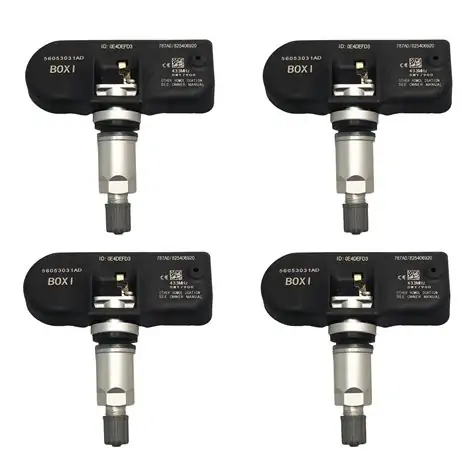
Discover the essentials of TPMS sensors for Dodge Caravan, including their importance, selection, installation, and benefits of upgrading for optimal safety and performance.When it comes to ensuring the safety and performance of your Dodge Caravan, understanding the Tire Pressure Monitoring System (TPMS) is essential. This system plays a vital role in alerting you to any tire pressure issues, which can significantly impact fuel efficiency, tire wear, and overall driving safety. As the Dodge Caravan has evolved, so too have the technology and features associated with TPMS sensors. In this blog post, we will explore the intricacies of TPMS sensors, their importance specifically in the Dodge Caravan, and how to choose the right sensor for your vehicle. Additionally, we’ll guide you through the installation and calibration process, and highlight the benefits of upgrading your TPMS sensors for enhanced reliability and performance. Whether you’re a seasoned DIYer or a novice car enthusiast, this guide will help you navigate the world of TPMS with confidence.
Understanding TPMS Sensors
The Tire Pressure Monitoring System (TPMS) is an essential safety feature in modern vehicles, including the Dodge Caravan. TPMS sensors play a vital role in monitoring tire pressure and ensuring that your vehicle remains safe and efficient on the road.
There are two primary types of TPMS sensors: direct and indirect.
- Direct TPMS sensors are mounted inside the tire and provide real-time pressure readings. They continuously measure the air pressure and send this data to the vehicle’s onboard computer.
- Indirect TPMS sensors do not measure tire pressure directly. Instead, they rely on the vehicle’s ABS (Anti-lock Braking System) to monitor wheel speed, alerting the driver to any significant pressure loss based on changes in the wheel’s rotational speed.
Understanding how TPMS sensors work is crucial for any Dodge Caravan owner. Proper functioning of these sensors not only improves safety by providing warnings in case of tire pressure issues but also enhances fuel efficiency and tire longevity.
Here’s a quick comparison of the two types:
| Feature | Direct TPMS | Indirect TPMS |
|---|---|---|
| Pressure Measurement | Real-time from each tire | Based on wheel speed |
| Installation | More complex, requires mounting inside the tire | Simpler, uses existing ABS sensors |
| Cost | Generally higher due to more components | Lower installation cost |
By grasping the fundamentals of TPMS sensors, Dodge Caravan owners can make informed decisions regarding tire maintenance and ensure a safer driving experience.
Importance of TPMS in Dodge Caravan
The Tire Pressure Monitoring System (TPMS) is an essential safety feature in modern vehicles, including the Dodge Caravan. This system actively monitors the air pressure in each tire and alerts the driver in case of under-inflation or over-inflation, which can lead to various hazards. Let’s explore the importance of TPMS in enhancing safety, performance, and overall driving experience for Dodge Caravan owners.
Enhanced Safety
Properly inflated tires are crucial for the safety of any vehicle. The TPMS in the Dodge Caravan serves as a first line of defense against potential tire failures. Here are some key safety benefits:
- Prevention of Blowouts: Low tire pressure can lead to tire blowouts, especially at high speeds. The TPMS alerts drivers to tire issues before they escalate.
- Improved Vehicle Control: Maintaining optimal tire pressure enhances grip on the road, reducing the chances of losing control.
- Reduced Stopping Distance: Properly inflated tires contribute to shorter stopping distances, which can be vital in emergency situations.
Improved Fuel Efficiency
Under-inflated tires can increase rolling resistance, leading to greater fuel consumption. The TPMS ensures that tires are always at the right pressure, thus:
- Enhancing Fuel Economy: Maintaining the correct tire pressure can significantly improve miles per gallon (MPG) performance.
- Lowering Driving Costs: Improved fuel efficiency translates to reduced fuel expenses over time.
Longer Tire Life
Driving on improperly inflated tires can lead to uneven tire wear, reducing their lifespan. The TPMS plays a vital role in prolonging the life of your tires, which includes:
- Promoting uniform wear: Correct tire pressure helps to ensure even contact with the road, preventing premature wear.
- Avoiding costly replacements: By keeping tires in optimal condition, TPMS can help reduce the frequency of tire replacements, saving money in the long run.
Regulatory Compliance
Many regions have laws mandating the installation of TPMS in vehicles. For Dodge Caravan owners, this not only ensures compliance but also offers peace of mind knowing that the vehicle meets safety standards.
“The importance of maintaining the proper tire pressure cannot be overstated, especially for families who rely on the Dodge Caravan for safe and reliable transportation.”
In summary, the Importance of TPMS in Dodge Caravan goes beyond just monitoring tire pressure. It plays a crucial role in ensuring safety, enhancing performance, and extending the lifespan of tires, making it an indispensable feature for all Dodge Caravan owners.
Choosing the Right TPMS Sensor
When it comes to maintaining your Dodge Caravan, one critical aspect that should not be overlooked is the Tire Pressure Monitoring System (TPMS). Choosing the right TPMS sensor for your vehicle is essential for ensuring safety, performance, and tire longevity. Here, we will explore some key factors to consider when selecting the appropriate TPMS sensor.
1. Understand Your Vehicle’s Requirements
Before purchasing a replacement or upgrade, it’s important to check your Dodge Caravan’s specific requirements. Different models may require different types of TPMS sensors. Refer to your owner’s manual or consult with a qualified mechanic to determine the right specifications.
2. Types of TPMS Sensors
There are two main types of TPMS sensors:
- Direct TPMS Sensors: These sensors measure the actual tire pressure using a pressure sensor mounted within the tire. They are generally more accurate.
- Indirect TPMS Sensors: These sensors use the vehicle’s ABS system to estimate tire pressure based on wheel speed. They may not provide precise readings but are often less expensive.
3. Compatibility
Ensure that the TPMS sensor you choose is compatible with your Dodge Caravan’s make and model. Using an incompatible sensor can lead to malfunctions and inaccurate readings. Always opt for genuine or OEM parts for the best fit and reliability.
4. Features to Look For
When selecting a TPMS sensor, consider the following features:
| Feature | Importance |
|---|---|
| Battery Life | Longer battery life means reduced maintenance costs. |
| Signal Range | Better signal range ensures proper communication with the vehicle’s computer. |
| Temperature Resistance | High resistance to temperature variations is crucial for sensor effectiveness. |
5. Professional Installation
While some car enthusiasts may choose to install TPMS sensors themselves, professional installation is often recommended, especially for those unfamiliar with the calibration process. A professional can ensure that the sensor is installed correctly and calibrated to your vehicle’s specifications.
By considering these factors, you can make an informed decision when choosing the right TPMS sensor for your Dodge Caravan, enhancing both safety and performance on the road.
Installation and Calibration Process
Installing and calibrating the TPMS (Tire Pressure Monitoring System) sensors in your Dodge Caravan is a crucial step to ensure that the vehicle runs efficiently and safely. Understanding the proper procedures can help you maintain your vehicle’s performance. Here’s a detailed guide to assist you through the installation and calibration process.
1. Gather Necessary Tools and Materials
- New TPMS sensors compatible with your Dodge Caravan
- Tire lever
- Torque wrench
- O-ring seals
- TPMS scanner or programming tool
2. Remove the Tires
To install the TPMS sensors, start by lifting the vehicle with a jack and removing the tires. This will provide access to the valve stems where the sensors will be installed.
3. Install New TPMS Sensors
Follow these steps to install the new sensors:
- Remove the old sensors from the valve stems.
- Prepare the new TPMS sensors by ensuring that they are compatible and have appropriate O-ring seals.
- Attach the new sensors onto the valve stems, ensuring a secure fit.
- Use a torque wrench to tighten the sensors according to manufacturer specifications.
4. Calibrate the TPMS Sensors
Once the installation is complete, the next step is calibration:
- Start the vehicle and use the TPMS scanner to communicate with the sensors.
- Follow the prompts on the scanner to reset and calibrate each sensor individually.
- Verify that each sensor is transmitting the correct tire pressure data.
5. Reinstall the Tires
After calibration, reinstall the tires:
- Align the tires with the wheel hubs.
- Secure the lug nuts and tighten them following the correct torque specifications.
- Lower the vehicle back to the ground.
6. Final Checks
Perform a final inspection:
Ensure the dashboard warning light is off and that all tire pressures are displayed correctly.
If the indicators appear normal, you have successfully completed the installation and calibration process for your Dodge Caravan TPMS sensors.
In summary, following the correct steps for the installation and calibration of your TPMS sensors will enhance the safety and efficiency of your Dodge Caravan. Always refer to your vehicle’s manual for specific instructions and specifications tailored to your model.
Benefits of Upgrading TPMS Sensors
The Tire Pressure Monitoring System (TPMS) is a crucial component of modern vehicles, including the Dodge Caravan. Upgrading your TPMS sensors can offer several benefits that enhance safety and performance. Here, we explore the advantages of making this upgrade.
| Benefit | Description |
|---|---|
| Improved Safety | With upgraded sensors, you can receive real-time alerts about tire pressure, significantly reducing the risk of tire blowouts and improving overall safety. |
| Enhanced Accuracy | Newer sensors tend to offer greater accuracy in tire pressure readings, ensuring that you maintain optimal tire pressure at all times. |
| Better Fuel Efficiency | Maintaining the correct tire pressure improves fuel economy. Upgraded sensors help you achieve this consistently. |
| Longevity of Tires | Accurate monitoring of tire pressure can extend the life of your tires by preventing uneven wear and tear. |
| Compatibility with Advanced Systems | Upgraded TPMS sensors are often more compatible with advanced vehicle systems, providing better integration and functionality. |
In addition to the benefits mentioned above, upgrading your Dodge Caravan’s TPMS sensors also contributes to a more comfortable driving experience through improved handling and stability. It is a prudent investment that ensures your vehicle operates at its best.
Safety isn’t just a feature; it’s a responsibility. – Unknown
By upgrading your TPMS sensors, you not only enhance your vehicle’s performance but also prioritize your safety and that of your passengers. Consider making the switch today for a better driving experience!
Frequently Asked Questions
What is a TPMS sensor in a Dodge Caravan?
The TPMS (Tire Pressure Monitoring System) sensor in a Dodge Caravan monitors the air pressure in the tires and alerts the driver if tire pressure falls below a certain threshold.
How can I tell if my Dodge Caravan’s TPMS sensor is malfunctioning?
If the TPMS warning light on your dashboard is illuminated or flashing, it may indicate a malfunctioning sensor, low tire pressure, or a problem with the TPMS system.
How do I reset the TPMS sensor in my Dodge Caravan?
To reset the TPMS sensor, you typically need to press and hold the TPMS reset button located under the steering wheel after ensuring all tires are properly inflated, then start the vehicle.
Why is maintaining proper tire pressure important?
Maintaining proper tire pressure is crucial for safety, fuel efficiency, tire longevity, and optimal vehicle handling.
Can I replace the TPMS sensor myself?
Yes, you can replace the TPMS sensor yourself if you have the right tools and knowledge, although it may be easier to have a professional handle it.
What are the symptoms of a failing TPMS sensor?
Symptoms of a failing TPMS sensor include persistent TPMS warning light, erratic pressure readings, or a complete lack of readings on the dashboard.
How often should I check the TPMS system in my Dodge Caravan?
It is advisable to check the TPMS system and the tire pressures at least once a month, or before long trips, to ensure they are functioning properly.