
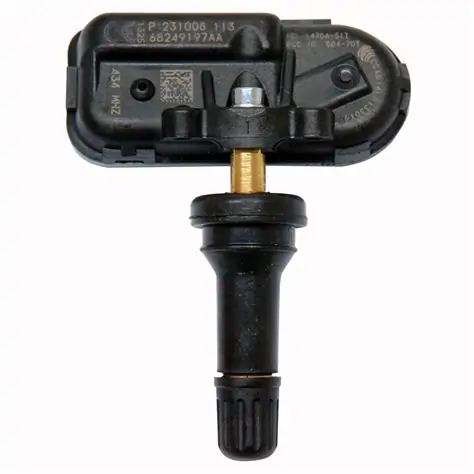
Explore TPMS sensors: their importance, types, installation, maintenance, and troubleshooting tips to ensure optimal tire safety and performance.In today’s fast-paced automotive world, maintaining optimal tire health has never been more crucial. Tire Pressure Monitoring System (TPMS) sensors play a vital role in ensuring that your tires are properly inflated, enhancing safety and fuel efficiency. This blog post will delve into the various aspects of TPMS sensors, starting with an understanding of how they work and why they are essential for every vehicle owner. We’ll explore the different types of TPMS sensors available in the market, along with key insights into their installation and maintenance. Additionally, we’ll provide tips on troubleshooting common TPMS sensor issues to keep your driving experience safe and smooth. Whether you’re a seasoned car enthusiast or a casual driver, understanding TPMS sensors can empower you to make informed decisions about your vehicle’s performance and safety.
Understanding TPMS Sensors
TPMS, or Tire Pressure Monitoring System, sensors are crucial components in modern vehicles. These sensors are designed to monitor the air pressure inside your tires. Maintaining the correct tire pressure is essential for safety, fuel efficiency, and overall vehicle performance.
There are two main types of TPMS sensors: direct and indirect.
| Type of Sensor | Description | Advantages |
|---|---|---|
| Direct TPMS | Measures tire pressure directly using pressure sensors inside each tire. |
|
| Indirect TPMS | Uses the vehicle’s ABS system to monitor wheel rotation and infers tire pressure based on deviations from normal performance. |
|
Understanding how TPMS sensors work is vital for drivers. These sensors alert you when a tire is under- or over-inflated, which can prevent blowouts and ensure longer tire life. Moreover, driving on improperly inflated tires can lead to increased fuel consumption and reduce handling performance.
For optimal safety and functionality, it’s essential to keep track of your TPMS sensor statuses and perform regular checks. If you notice a warning light on your dashboard, it’s a prompt to check your tires’ pressures immediately.
Importance of TPMS Sensors
Tire Pressure Monitoring System (TPMS) sensors play a crucial role in maintaining vehicle safety and performance. Understanding the importance of these sensors can help drivers make informed decisions about vehicle maintenance and safety.
Enhancing Safety
One of the primary reasons for the importance of TPMS sensors is safety. Under-inflated tires can lead to a range of problems, including:
- A loss of vehicle control
- Increased stopping distances
- Higher risk of tire blowouts
With TPMS, drivers are alerted to any significant drop in tire pressure, greatly reducing the chances of accidents caused by tire failure.
Improving Fuel Efficiency
Proper tire pressure is essential for optimal fuel efficiency. TPMS sensors help ensure tires are inflated to the correct levels, which can lead to:
- Better fuel economy
- Reduced CO2 emissions
According to experts, maintaining proper tire pressure can improve fuel efficiency by up to 3%. This percentage can add up over time, resulting in significant savings for drivers.
Extending Tire Life
Another important aspect of TPMS sensors is the protection they provide for tires. By closely monitoring tire pressure, these sensors help prevent uneven tire wear and extend the lifespan of your tires. This means fewer replacements and further savings.
Compliance with Regulations
In many regions, vehicles are required by law to be equipped with TPMS. Compliance with these regulations not only avoids fines but also ensures that vehicles on the road meet safety standards that can protect drivers and passengers alike.
Real-time Monitoring
TPMS sensors provide real-time data that allows drivers to make timely decisions about tire inflation. This feature is particularly important for long-distance travelers or those who often drive in harsh conditions. Knowing tire pressure at a glance can save time and provide peace of mind.
In summary, TPMS sensors are vital for ensuring safety, enhancing fuel efficiency, extending tire life, complying with regulations, and providing real-time monitoring. By recognizing the importance of these sensors, drivers can contribute to safer and more efficient driving experiences.
Types of TPMS Sensors
The Tire Pressure Monitoring System (TPMS) is an essential safety feature in modern vehicles that helps monitor tire pressure in real-time. Understanding the different types of TPMS sensors is crucial for vehicle owners and automotive enthusiasts alike. There are primarily two types of TPMS sensors:
| TPMS Sensor Type | Description | Advantages | Disadvantages |
|---|---|---|---|
| Direct TPMS | Uses pressure sensors mounted inside each tire to directly measure tire pressure. |
|
|
| Indirect TPMS | Uses the vehicle’s ABS sensors to estimate tire pressure based on wheel speed and diameter. |
|
|
Choosing the right type of TPMS sensor depends on a vehicle owner’s priorities, such as cost, accuracy, and maintenance preferences. Understanding these types can help ensure proper tire maintenance and enhance vehicle safety.
For further assistance, consider consulting a professional or referring to your vehicle’s manual.
Installation and Maintenance of TPMS Sensors
TPMS sensors (Tire Pressure Monitoring System) play a critical role in vehicle safety, ensuring that tire pressures are monitored in real time to enhance driving performance and fuel efficiency. Installing and maintaining these sensors properly is essential for their effectiveness.
Installation of TPMS Sensors
Installing TPMS sensors can vary depending on whether you’re dealing with direct or indirect systems. Here’s a general guideline for installation:
- Choose the Right Sensors: Ensure that the sensors are compatible with your vehicle’s make and model.
- Remove the Tire: For direct TPMS, you will need to deflate and remove the tire from the wheel to access the valve stem.
- Install the Sensor: Attach the sensor to the valve stem tightly to avoid any leaks.
- Reinstall the Tire: Put the tire back on the wheel and inflate it to the recommended pressure levels.
- Calibration: Some sensors may require calibration after installation. Refer to the vehicle’s service manual for specific instructions.
Maintenance of TPMS Sensors
Proper maintenance can extend the life of your TPMS sensors and ensure they function correctly. Here are some essential tips:
- Regular Pressure Checks: Monitor tire pressure regularly, even if the TPMS light is off.
- Battery Life: Many TPMS sensors have a battery life of 5-10 years. Be aware of when it needs replacement.
- Sensor Cleaning: Ensure the sensors are free of dirt and debris. Clean them gently during tire rotation or service.
- Prompt Repairs: Address any tire punctures or damages immediately to prevent strain on the TPMS sensors.
- Professional Servicing: Regular inspections by a professional mechanic can help identify potential issues early.
Quote
Proper installation and maintenance of TPMS sensors are vital for safe driving and optimal vehicle performance.
Following these steps will ensure your TPMS sensors are installed correctly and well maintained, ultimately enhancing your vehicle’s safety and efficiency.
Troubleshooting TPMS Sensor Issues
Tire Pressure Monitoring Systems (TPMS) are essential for vehicle safety and efficiency. However, like any technology, TPMS sensors can encounter issues. Understanding how to troubleshoot these problems can save you time and money. Below are common issues and their solutions:
Common TPMS Sensor Issues
- Warning Light Illuminated: This is the most common indication of a problem with the TPMS.
- Incorrect Tire Pressure Readings: Sometimes, the readings do not match the actual pressure in the tires.
- TPMS Not Responding: The system may fail to provide any readings at all.
- Sensor Battery Failure: Many TPMS sensors have built-in batteries that can fail over time.
Troubleshooting Steps
- Check Tire Pressure: Always start by ensuring that the tire pressures are at the recommended levels. Use a reliable tire pressure gauge.
- Inspect for Damage: Check the sensors for any physical damage or corrosion.
- Reset the TPMS: Sometimes, simply resetting the system can resolve temporary issues. Consult your vehicle’s manual for the reset procedure.
- Replace Sensor Battery: If the TPMS sensor is not responding, the battery may need to be replaced. This often requires professional assistance.
- Recalibrate the System: After any changes, recalibrating the system may be needed for accurate readings.
When to Seek Professional Help
If troubleshooting does not resolve the TPMS sensor issues, it’s prudent to consult a professional technician. They have the tools and expertise to diagnose deeper issues that may not be apparent.
Final Tips
Regular maintenance of your vehicle’s TPMS not only ensures your safety but can also improve fuel efficiency.
Always pay attention to the TPMS warning light, and never ignore it. Keeping your tires properly inflated can greatly enhance vehicle performance and safety.
Frequently Asked Questions
What are TPMS sensors?
TPMS sensors, or Tire Pressure Monitoring System sensors, are devices that monitor the air pressure in your vehicle’s tires and alert you if they are under-inflated or over-inflated.
Why are TPMS sensors important?
TPMS sensors are important because they enhance vehicle safety by ensuring that tires are adequately inflated, which improves handling, reduces tire wear, and increases fuel efficiency.
How do I know if my vehicle has TPMS sensors?
You can check if your vehicle has TPMS sensors by looking for a warning light on the dashboard that resembles a tire with an exclamation mark or by consulting your vehicle’s owner’s manual.
What are the types of TPMS sensors?
There are two types of TPMS sensors: direct TPMS, which measures tire pressure using sensors mounted on each wheel, and indirect TPMS, which uses the vehicle’s ABS system to estimate tire pressure based on wheel speed.
Can I drive without TPMS sensors?
While you can technically drive without TPMS sensors, it is not advisable as it increases the risk of driving on under-inflated tires, which can lead to tire blowouts and accidents.
How do I maintain my TPMS sensors?
To maintain your TPMS sensors, regularly check your tire pressure, replace batteries in the sensors as needed, and ensure that the sensors are functioning properly during tire changes or rotations.
What should I do if my TPMS warning light is on?
If your TPMS warning light is on, check the tire pressures immediately and inflate any under-inflated tires. If the light persists after correcting tire pressure, it may indicate a malfunctioning sensor, and you should consult a professional.