
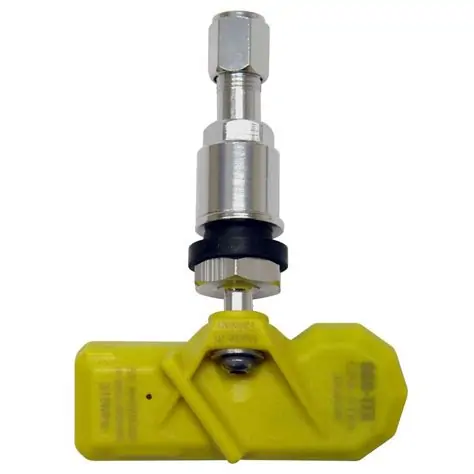
Discover the significance, signs of malfunction, and details on replacing TPMS sensors, including costs for optimal tire performance and safety.When it comes to maintaining the performance and safety of your Acura TSX, understanding its components is crucial, and one such essential part is the Tire Pressure Monitoring System (TPMS) sensor. Designed to keep track of tire pressure, the TPMS sensor plays a vital role in preventing tire blowouts and ensuring optimal fuel efficiency. In this blog post, we will delve into what a TPMS sensor is, why it matters for your vehicle, and how to recognize the signs of a malfunction. We’ll also guide you through the process of replacing the TPMS sensor and discuss the cost implications of this maintenance task. By staying informed about your Acura TSX’s TPMS, you can drive with greater confidence and safety.
What is a TPMS sensor?
A Tire Pressure Monitoring System (TPMS) sensor is a crucial component in modern vehicles, including the Acura TSX. This sensor is designed to monitor the air pressure inside tires, ensuring they are inflated to the manufacturer’s recommended levels.
There are two main types of TPMS:
- Direct TPMS: This system uses pressure sensors located within the tires themselves. These sensors send real-time data to the vehicle’s onboard computer, alerting the driver if a tire’s pressure falls below the recommended level.
- Indirect TPMS: This system does not use individual sensors. Instead, it measures the rotational speed of each wheel via the anti-lock braking system (ABS). If a tire is under-inflated, it will rotate at a different speed than the others, triggering a warning signal.
The primary function of a TPMS sensor is to ensure safety. Under-inflated tires can lead to reduced fuel efficiency, increased tire wear, and more critically, a higher risk of tire blowouts.
In summary, the TPMS sensor is a vital safety feature in the Acura TSX, working to maintain optimum tire pressure and consequently enhancing vehicle performance and safety.
Importance of TPMS sensor
The Tire Pressure Monitoring System (TPMS) is an essential component of modern vehicles, including the Acura TSX. Understanding the importance of the TPMS sensor can significantly enhance both safety and performance while driving. Here are some key reasons why the TPMS sensor is vital:
- Enhanced Safety: Proper tire pressure is crucial for safe driving. A malfunctioning sensor can lead to under-inflated or over-inflated tires, increasing the risk of tire blowouts.
- Improved Fuel Efficiency: Maintaining the correct tire pressure enables better fuel economy. Tires that are properly inflated can reduce fuel consumption and save money at the pump.
- Extended Tire Life: The TPMS sensor helps monitor tire pressure, allowing drivers to maintain optimal conditions. This contributes to longer tire life and reduces replacement costs.
- Environmental Impact: Properly inflated tires reduce emissions and fuel consumption, helping the environment. The TPMS sensor plays a critical role in ensuring tires are efficiently managed.
- Warning Signs: A TPMS sensor alerts drivers to tire issues before they become significant problems. This early warning can prevent costly repairs and dangerous consequences.
Keeping the TPMS sensor in good working condition is paramount for the Acura TSX owner’s overall driving experience. Regular maintenance and timely replacement of faulty sensors can lead to numerous benefits that enhance vehicle performance and safety.
Signs of a malfunctioning TPMS
The Tire Pressure Monitoring System (TPMS) plays a crucial role in ensuring your vehicle’s safety and performance. If your Acura TSX is experiencing issues with its TPMS, it’s essential to recognize the signs of a malfunctioning TPMS so you can address the problem swiftly. Here are some common indications to watch for:
- Illuminated Warning Light: The most obvious sign is the TPMS warning light on your dashboard. If this light is illuminated, it typically indicates low tire pressure or a malfunctioning sensor.
- Flashing TPMS Light: If the TPMS light is flashing, it may indicate an issue with the sensor itself rather than the tire pressure. This requires immediate attention.
- Inaccurate Pressure Readings: If you notice that your TPMS displays pressure readings that don’t align with actual tire pressures, the sensors could be malfunctioning.
- Frequent Changes in Tire Pressure: If you find that tire pressure fluctuates excessively even after proper inflation, this may also point to issues with the TPMS.
- Physical Damage to Tires: Inspect your tires for any visible damage. Sometimes, a malfunctioning TPMS may be associated with issues like punctures or leaks that need to be addressed.
Should you notice any of the above signs, it’s advisable to get your TPMS checked by a qualified technician. Proper functioning of your TPMS is essential for maintaining optimal tire health and ensuring the safety of your driving experience.
Replacing the TPMS sensor
Replacing the TPMS sensor is a crucial step in maintaining the safety and efficiency of your vehicle, particularly for models like the Acura TSX. A malfunctioning TPMS (Tire Pressure Monitoring System) can lead to improper tire inflation, which not only diminishes fuel efficiency but also increases the risk of tire blowouts.
When to Replace Your TPMS Sensor
It’s important to know the signs that indicate the need for replacing your TPMS sensor. Common indicators include:
- TPMS warning light remaining on even after tire pressure adjustments.
- Inaccurate tire pressure readings displayed on your dashboard.
- Frequent tire inflation issues.
Steps to Replace the TPMS Sensor
Replacing the TPMS sensor can usually be done through the following steps:
- Gather Tools: You will need a tire iron, a TPMS tool, and possibly a jack.
- Lift the Vehicle: Safely lift your vehicle using a jack and secure it with jack stands.
- Remove the Tire: Use the tire iron to remove the lug nuts and take the tire off.
- Remove the Old Sensor: Locate the TPMS sensor on the tire rim and carefully remove it.
- Install the New Sensor: Position the new sensor in place and ensure it fits snugly. Reattach the sensor according to the manufacturer’s instructions.
- Reassemble the Tire: Place the tire back on the rim and reattach the lug nuts securely.
- Reset the TPMS System: Finally, use a TPMS tool to reset the system and calibrate the new sensor.
Professional Help
If you are not comfortable performing the replacement yourself, it’s advisable to seek help from a professional mechanic or a dealership, particularly for the Acura TSX, as they will be familiar with the specific requirements and electronics involved.
Cost of Replacing the TPMS Sensor
The cost for replacing a TPMS sensor can vary greatly based on location and model, but it generally ranges between $50 to $150 per sensor. It’s worth checking with local parts retailers and service centers for pricing information.
Being proactive about monitoring the condition of your TPMS sensor will not only ensure the safety of your vehicle but will also enhance its overall performance.
Cost of TPMS sensor replacement
When it comes to ensuring the safety and efficiency of your vehicle, a properly functioning TPMS sensor is crucial. However, there may come a time when you need to replace this essential component. Understanding the cost of TPMS sensor replacement can help you budget for this necessary maintenance and avoid any unexpected expenses.
Factors Influencing the Cost
The cost to replace a TPMS sensor can vary widely based on several factors:
- Type of Vehicle: Luxury vehicles, like the Acura TSX, may have higher replacement costs compared to standard models.
- OEM vs. Aftermarket Sensors: Original Equipment Manufacturer (OEM) sensors tend to be more expensive than aftermarket options, but they often offer better reliability.
- Labor Costs: The cost of labor at different service centers can influence the overall expense. It’s advisable to check local rates.
- Number of Sensors: Some vehicles require all four sensors to be replaced at once, significantly increasing the total cost.
Estimated Replacement Costs
Here’s a general estimate of what you might expect when it comes to TPMS sensor replacement costs:
| Type of Replacement | Estimated Cost |
|---|---|
| Single TPMS Sensor (Aftermarket) | $30 – $50 |
| Single TPMS Sensor (OEM) | $50 – $100 |
| Labor Costs (per hour) | $75 – $150 |
| Full Set of 4 (Aftermarket) | $120 – $200 |
| Full Set of 4 (OEM) | $200 – $400 |
Additional Considerations
In addition to the replacement cost, consider the following:
- Calibration: After installation, the TPMS may need to be calibrated, which could incur an additional cost.
- Warning Light: If your TPMS warning light is on, it may signify other issues which could affect overall costs.
- Regular Maintenance: Regularly checking your tire pressure can help extend the life of your TPMS sensors and reduce replacement frequency.
Replacement costs can vary significantly, so it’s wise to shop around and get quotes from multiple service providers. Being proactive about your vehicle’s TPMS sensors will not only help ensure your safety but also save you money in the long run.
Frequently Asked Questions
What is the TPMS sensor in the Acura TSX?
The TPMS (Tire Pressure Monitoring System) sensor in the Acura TSX is a safety feature that monitors the tire pressure in real-time to ensure optimal performance and safety.
How does the TPMS sensor work in the Acura TSX?
The TPMS sensor works by using pressure sensors in each tire that transmit data to the car’s onboard computer, alerting the driver if tire pressure falls below a certain threshold.
What are the signs of a malfunctioning TPMS sensor in the Acura TSX?
Signs of a malfunctioning TPMS sensor include a warning light on the dashboard, inaccurate tire pressure readings, or the TPMS light flashing intermittently.
How can I reset the TPMS sensor in my Acura TSX?
To reset the TPMS sensor in your Acura TSX, you can usually do so by using the reset button located under the dashboard or through the vehicle’s menu settings after ensuring all tires are correctly inflated.
What should I do if the TPMS warning lights remain on after checking tire pressure?
If the TPMS warning lights remain on after checking tire pressure, it may indicate a faulty sensor or another issue; it’s advisable to consult a professional mechanic for diagnosis.
How often should I check my Acura TSX’s tire pressure?
It is recommended to check your Acura TSX’s tire pressure at least once a month and before long trips to ensure safe driving.
Can I replace the TPMS sensor myself in an Acura TSX?
Yes, replacing the TPMS sensor in an Acura TSX can be done DIY if you have the necessary tools and knowledge, but it often requires programming the new sensor to the vehicle’s system.