
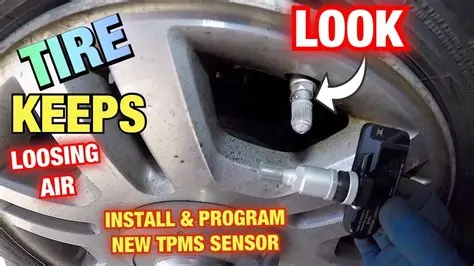
Explore TPMS sensors: causes of leaks, effects, diagnosis, and effective repair solutions for optimal vehicle safety and performance.Title: TPMS Sensor Leaking
Introduction:
Tire Pressure Monitoring System (TPMS) sensors play a crucial role in ensuring your vehicle’s safety and performance by constantly monitoring tire pressure. However, like any automotive component, these sensors can encounter issues, with leaks being a common problem for drivers. Understanding what a TPMS sensor is and recognizing the signs of a leak is essential for maintaining optimal tire pressure and overall vehicle health. In this blog post, we will explore the common causes of sensor leaks, the effects of a compromised TPMS, and how to effectively diagnose and fix these issues. By staying informed, you can ensure your vehicle remains safe and efficient on the road.
What is a TPMS sensor?
A Tire Pressure Monitoring System (TPMS) sensor is an essential component in modern vehicles designed to monitor the air pressure inside the tires. The functionality of the TPMS is critical for safety, fuel efficiency, and tire longevity. There are two main types of TPMS sensors: direct and indirect.
Direct TPMS sensors are installed in each tire and directly measure the air pressure. They transmit data wirelessly to the vehicle’s onboard computer system, which alerts the driver when tire pressure falls below a predetermined level.
Indirect TPMS sensors do not measure pressure directly but use the vehicle’s ABS (Anti-lock Braking System) to monitor the speed of the tires. If a tire is under-inflated, it will have a different rotational speed compared to properly inflated tires, triggering a warning to the driver.
Importance of TPMS
The primary purpose of a TPMS is to enhance vehicle safety by alerting drivers to under-inflated tires which can lead to poor handling, increased risk of tire blowouts, and decreased fuel efficiency. Additionally, maintaining proper tire pressure can extend the life of tires and improve overall vehicle performance.
Components of a TPMS
| Component | Description |
|---|---|
| Sensor | Measures the tire pressure directly or indirectly and relays data. |
| Receiver | Receives data from the sensors and sends warnings to the driver. |
| Dashboard Warning Light | A visual alert indicating that tire pressure is low. |
In conclusion, understanding what a TPMS sensor is and its role in ensuring safe driving conditions is vital for any vehicle owner. Regular checks and maintenance of the TPMS system are necessary to ensure its effectiveness and reliability.
Common causes of sensor leaks
The TPMS (Tire Pressure Monitoring System) is an essential component in modern vehicles, designed to monitor the air pressure within tires and alert drivers to any issues. However, like any other component, it can experience leaks over time. Understanding the common causes of sensor leaks can help vehicle owners maintain their tire health and enhance overall safety. Below are some of the prevalent reasons behind TPMS sensor leaks:
| Cause | Description |
|---|---|
| Age and Wear | The rubber seals and grommets surrounding the sensor can degrade over time, leading to potential leaks. |
| Corrosion | Environmental elements such as moisture and road salt can cause corrosion to the sensor, compromising its integrity. |
| Improper Installation | If the TPMS sensor is not installed correctly, it may not form a proper seal, leading to leaks. |
| Physical Damage | Abrasions or impacts from potholes, curbs, or other objects can physically damage the sensor, resulting in leaks. |
| Temperature Fluctuations | Extreme temperatures can affect the rubber components, causing them to harden or crack and ultimately leading to leaks. |
Each of these factors contributes to TPMS sensor leaks and can cause inaccurate tire pressure readings or warning lights on the dashboard. Regular inspections and maintenance can help prevent these issues from arising. Keep your sensors checked, and ensure proper installation by a qualified technician to minimize the risk of future leaks.
Effects of a leaking TPMS sensor
A TPMS sensor (Tire Pressure Monitoring System) plays a crucial role in ensuring your vehicle’s safety and performance by monitoring tire pressure. However, when a TPMS sensor begins to leak, it can lead to several adverse effects that impact not only the sensor itself but also your vehicle’s overall operation. Below are some key effects of a leaking TPMS sensor:
- Inaccurate Tire Pressure Readings: One of the primary functions of a TPMS sensor is to provide accurate tire pressure readings. A leak can cause the sensor to deliver false readings, leading to either over-inflation or under-inflation of the tires.
- Reduced Fuel Efficiency: Improper tire pressure due to a leaking TPMS sensor can lead to increased rolling resistance, which in turn can decrease your vehicle’s fuel efficiency. This could result in higher fuel costs over time.
- Poor Handling and Stability: Tire pressure directly affects vehicle handling. Inaccurate pressure readings can cause uneven tire wear, impacting traction and potentially jeopardizing your safety while driving.
- Increased Tire Wear: A leaking TPMS sensor may prevent timely alerts regarding low tire pressure, contributing to uneven wear patterns on your tires. This can lead to premature tire replacement and additional expenses.
- Potential for Tire Blowouts: Driving on under-inflated tires can significantly increase the risk of tire blowouts, which can lead to dangerous situations on the road.
- Warning Light Activation: A leaking sensor often triggers the dashboard warning light. Ignoring this alert may lead to negligence toward tire health and can culminate in serious issues.
In summary, the effects of a leaking TPMS sensor can be far-reaching, impacting not just the sensor’s performance but also the safety, efficiency, and longevity of your tires and vehicle. Staying proactive and addressing any signs of leakage promptly can prevent more significant issues down the road.
How to diagnose a sensor leak
Diagnosing a TPMS (Tire Pressure Monitoring System) sensor leak requires a systematic approach to ensure accurate identification and subsequent repair. Here are some effective methods for diagnosing a sensor leak:
-
Visual Inspection:
Start with a thorough visual inspection of the tires and sensors. Look for:
- Visible cracks or damage on the sensor body.
- Signs of corrosion or rust.
- Loose connections between the sensor and the tire valve.
-
Check Tire Pressure:
Use a tire pressure gauge to check the individual tire pressures. If the TPMS warning light is illuminated but the tire pressures are acceptable, it may indicate a faulty sensor.
-
Use a TPMS Tool:
Utilize a TPMS scan tool to read the sensor data. This tool can help you detect sensor IDs, battery status, and potential fault codes related to each sensor. Refer to the tool’s manual for operation instructions.
-
Perform a Leak Test:
A more direct method is to conduct a leak test. You can do this by:
- Submerging the tire in water and looking for air bubbles.
- Using a spray solution of soap and water on the sensor to check for rising bubbles indicating escaping air.
-
Check for Software Issues:
Sometimes, the error may not be with the physical sensor but with the vehicle’s onboard TPMS software. Ensure that the vehicle’s software is up-to-date and calibrated properly.
If you determine that a sensor leak is present, it is crucial to address it promptly to maintain optimal tire performance and safety on the road.
Fixing a leaking TPMS sensor
When dealing with a TPMS sensor leak, prompt action is essential to ensure the safety and performance of your vehicle. Here, we will outline steps you can take to successfully fix a leaking TPMS sensor.
1. Identify the Source of the Leak
Before proceeding with repairs, it’s crucial to find out where the leak originates. A few common methods to identify a leak include:
- Visual inspection of the sensor and surrounding area.
- Using soapy water to detect escaping air bubbles.
- Utilizing a TPMS diagnostic tool to check for error codes.
2. Gather Necessary Tools and Replacement Parts
Once you’ve pinpointed the leak, gather the necessary tools and parts for the fix. You may need:
- A tire pressure gauge
- A valve core removal tool
- Replacement valve cores
- A new TPMS sensor if needed
- Soapy water solution for testing
3. Removing the Tire
In many cases, you will need to remove the tire to access the TPMS sensor. Here’s how to do it safely:
- Park your vehicle on a level surface and engage the parking brake.
- Loosen the lug nuts slightly before raising the vehicle with a jack.
- Once elevated, fully remove the lug nuts and take off the tire.
4. Inspect and Replace the TPMS Sensor
Once you have access to the sensor:
- Carefully inspect the sensor for cracks or damage.
- If the sensor is damaged, replace it with a new one.
- If the valve core is leaking, use the valve core removal tool to replace it.
5. Reinstall the Tire
After making the necessary repairs:
- Carefully put the tire back onto the wheel hub.
- Hand-tighten the lug nuts and lower the vehicle.
- Once on the ground, tighten the lug nuts to the specified torque.
6. Check Tire Pressure and Sensor Functionality
Lastly, check the tire pressure using a tire gauge:
- Ensure it is at the correct PSI as specified by your vehicle manufacturer.
- Turn on the vehicle and check whether the TPMS warning light is illuminated.
- If it is, you may need to reset the sensor using the vehicle’s onboard system or a TPMS relearn tool.
Following these steps will help you successfully fix a leaking TPMS sensor and maintain the integrity of your vehicle’s tire pressure management system.
Frequently Asked Questions
What is a TPMS sensor?
A TPMS (Tire Pressure Monitoring System) sensor is a device installed in a vehicle’s tires that monitors tire pressure and alerts the driver when the pressure is too low.
What are the signs of a leaking TPMS sensor?
Signs of a leaking TPMS sensor can include a constant warning light on the dashboard, a decrease in tire pressure, or visible damage to the tire or sensor.
How does a leaking TPMS sensor affect tire performance?
A leaking TPMS sensor can lead to inaccurate tire pressure readings, which can cause improper inflation. This may result in reduced fuel efficiency, uneven tire wear, and increased risk of tire blowouts.
Can I drive with a leaking TPMS sensor?
While you can technically drive with a leaking TPMS sensor, it’s not advisable as it poses safety risks. It’s best to address the issue promptly to ensure optimal tire performance.
What causes a TPMS sensor to leak?
A TPMS sensor can leak due to factors such as wear and tear over time, corrosion from harsh road conditions, improper installation, or damage from a tire puncture.
How can I fix a leaking TPMS sensor?
Fixing a leaking TPMS sensor typically involves checking for visible damage, replacing the sensor or its valve stem, and ensuring that the tire is properly inflated and without punctures.
Is it expensive to replace a TPMS sensor?
The cost to replace a TPMS sensor can vary, but it generally ranges from $50 to $150 per sensor, including parts and labor. Prices can increase based on the make and model of the vehicle.