
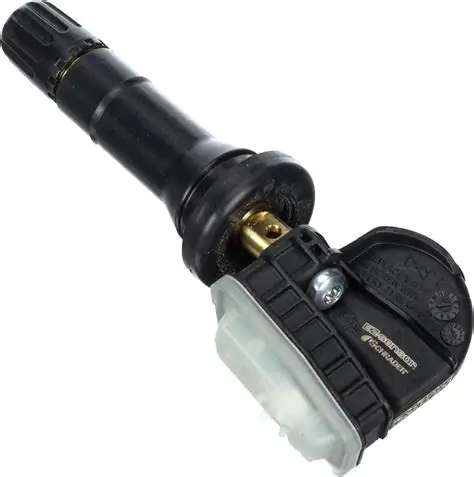
Discover the evolution, benefits, installation tips, and latest innovations of Schrader Sensor TPMS for enhanced vehicle safety and performance.In today’s automotive landscape, ensuring tire safety and performance is paramount, and one of the key players in this arena is the Schrader Sensor Tire Pressure Monitoring System (TPMS). Designed to provide real-time monitoring of tire pressure, this advanced technology not only enhances vehicle safety but also contributes to better fuel efficiency and prolonged tire life. As we delve into the world of Schrader Sensor TPMS, we’ll explore its intriguing evolution, highlighting the benefits it brings to drivers and automotive professionals alike. Additionally, we’ll provide essential tips on installation and maintenance, along with insights into the latest innovations transforming these sensors. Join us as we uncover the critical role Schrader Sensor TPMS plays in modern vehicles and why it deserves a spot atop your automotive must-haves.
What is a Schrader Sensor TPMS?
The Schrader Sensor TPMS (Tire Pressure Monitoring System) is a key component in modern vehicles, designed to enhance safety and improve fuel efficiency by monitoring tire pressure in real-time. The Schrader sensor is an advanced form of tire pressure sensor that communicates vital tire information to the vehicle’s onboard computer.
TPMS is mandated in many regions, including the United States, where it is required for all passenger vehicles manufactured after 2007. The system monitors tire air pressure and alerts the driver through a dashboard warning light if the pressure falls below a specified threshold, which is typically set at 25% below the recommended inflation level.
Here’s a brief overview of the key features of the Schrader Sensor TPMS:
| Feature | Description |
|---|---|
| Real-Time Monitoring | The system provides continuous updates on tire pressure, helping to catch issues before they become dangerous. |
| Remote Communication | Utilizes wireless technology to send data back to the car’s onboard system. |
| Predictive Analysis | Some systems may offer predictive analysis, alerting the driver to trends that could lead to tire failure. |
The Schrader Sensor TPMS generally operates using battery-powered sensors that are embedded within each tire’s valve. These sensors measure tire pressure and temperature, sending data wirelessly to the central vehicle system. If an abnormality is detected, such as a significant drop in tire pressure, the TPMS activates a warning light on the vehicle’s dashboard, notifying the driver.
“Maintaining the correct tire pressure is not just about fuel efficiency; it is a vital safety measure that can prevent accidents and enhance the durability of your tires.”
In summary, the Schrader Sensor TPMS plays a crucial role in monitoring tire health, ensuring that drivers have the information they need to maintain their vehicles safely and efficiently.
Evolution of Schrader Sensors
The Schrader Sensor Tire Pressure Monitoring System (TPMS) has undergone significant evolution since its inception. Initially created to enhance vehicle safety and performance, Schrader sensors have adapted to technological advancements and the changing needs of the automotive industry.
Here’s a brief overview of the evolution of Schrader Sensors:
| Year | Evolution Stage | Key Features |
|---|---|---|
| 1980s | Introduction | Pioneered basic TPMS technology to alert drivers of low tire pressure. |
| 1996 | Regulatory Change | U.S. legislation mandated TPMS in passenger cars, enhancing safety standards. |
| 2000s | Wireless Technology | Adoption of wireless sensors, improving ease of installation and maintenance. |
| 2010s | Integration with Vehicle Systems | Integration with advanced onboard diagnostics and vehicle control systems. |
| 2020s | Smart Technology | Emergence of sensors capable of providing real-time data and analytics. |
The technological advancements in Schrader sensors have led to several enhancements:
- Real-time monitoring: Drivers can now receive instant feedback on tire pressure and temperature.
- Increased accuracy: Modern sensors provide more accurate readings, reducing false alerts.
- Compatibility: Newer models are designed to work with a wider range of vehicle makes and models.
As the automotive world continues to embrace sustainability and efficiency, the evolution of Schrader Sensor TPMS will likely focus on:
enhancing the performance and safety of vehicles while minimizing environmental impact.
This ongoing innovation signifies a promising future for tire pressure monitoring technology.
Benefits of Schrader Sensor TPMS
The Schrader Sensor Tire Pressure Monitoring System (TPMS) offers numerous advantages for vehicle owners. Understanding these benefits can help you appreciate why this technology is becoming increasingly essential in modern automotive design.
- Enhanced Safety: One of the primary benefits of the Schrader Sensor TPMS is improved vehicle safety. By continuously monitoring tire pressure, this system alerts drivers to any significant drops that could lead to dangerous blowouts or loss of control.
- Improved Fuel Efficiency: Properly inflated tires contribute to better fuel efficiency. The Schrader Sensor TPMS helps maintain optimal tire pressure, allowing vehicles to operate more efficiently and ultimately saving drivers money at the pump.
- Reduced Tire Wear: Maintaining the correct tire pressure is crucial for extending the lifespan of your tires. The Schrader Sensor TPMS provides timely alerts, helping to prevent uneven tire wear and prolonging the life of your investment.
- Real-time Monitoring: This system offers real-time data about tire conditions, enabling drivers to make informed decisions about their vehicle’s needs. The ability to monitor tire pressure continuously is a significant step forward in automotive technology.
- Easy Installation and Maintenance: The Schrader Sensor TPMS is designed for easy installation and low maintenance. With minimal technical know-how, vehicle owners can have the system integrated and functional, ensuring that they benefit from its features right away.
In summary, the Schrader Sensor TPMS not only enhances safety but also contributes to cost savings and improved vehicle performance, making it a valuable feature for any modern vehicle.
Installation and Maintenance Tips
Proper installation and maintenance of a Schrader Sensor TPMS (Tire Pressure Monitoring System) are crucial for ensuring the performance and longevity of your tire pressure monitoring system. Below are key tips that will help you install and maintain your sensor effectively:
Installation Tips
- Choose the Right Sensors: Make sure you select the correct Schrader Sensors that are compatible with your vehicle’s make and model.
- Follow Manufacturer Guidelines: Always refer to the manufacturer’s installation instructions to ensure proper setup.
- Check Tire Conditions: Inspect your tires for wear and tear before installation. Install sensors only on healthy tires.
- Calibrate the System: After installing the sensors, calibrate the TPMS to ensure accurate readings. This is usually done through the vehicle’s onboard computer system.
- Secure the Sensors: Make sure the sensors are installed securely to avoid any issues while driving.
Maintenance Tips
- Regular Sensor Checks: Periodically check the sensors to ensure they are functioning correctly. Look for any damage or corrosion.
- Update Software: Keep your vehicle’s TPMS software up to date to ensure compatibility with the latest features and improvements.
- Monitor Tire Pressure Regularly: Regularly check your tire pressure to ensure your sensors are providing accurate data.
- Battery Life Consideration: Be aware of the battery life of your sensors. Replace them as needed, usually every 5-10 years depending on the manufacturer’s recommendations.
- Seek Professional Help: If you notice any irregularities with the sensor’s readings or functionality, consult a professional mechanic.
By following these installation and maintenance tips, you can ensure that your Schrader Sensor TPMS remains in optimal condition, providing accurate readings and enhancing your driving safety.
Latest Innovations in Schrader Sensor TPMS
The Schrader Sensor Tire Pressure Monitoring System (TPMS) has seen significant advancements in recent years. These innovations aim to improve vehicle safety, enhance user experience, and streamline maintenance processes for both manufacturers and consumers.
1. Advanced Sensing Technology
Recent advancements in sensing technology have led to the development of more accurate and reliable Schrader Sensors. These sensors now offer:
- Enhanced accuracy in reading tire pressure, reducing false warnings.
- Real-time data transmission to the vehicle’s onboard computer, allowing for instant alerts.
- Temperature compensation features to adjust readings based on environmental changes.
2. Integration with Smart Technologies
One of the most exciting trends in Schrader Sensor TPMS is its integration with smart technologies, including:
- Mobile applications that provide users with diagnostic information and alerts regarding tire health.
- Vehicle-to-Everything (V2X) communication that can share data with other vehicles and infrastructure.
- IoT capabilities for remote monitoring, enabling fleet operators to maintain optimal tire conditions.
3. Sustainable Design
As sustainability becomes increasingly important in automotive design, many Schrader Sensor TPMS products are embracing eco-friendly materials and processes. Innovations include:
- Use of recyclable materials in sensor manufacturing.
- Energy-efficient designs that prolong battery life and reduce electronic waste.
4. Improved User Interface
Finally, the user interface for accessing TPMS data has evolved considerably:
- Clearer visual displays in vehicle dashboards, featuring intuitive symbols and alerts.
- Personalized settings that allow users to customize warnings and notifications.
5. Enhanced Security Features
With increasing concerns about cybersecurity in vehicles, Schrader Sensors now come equipped with:
- Encrypted data transmission to prevent hacking and unauthorized access.
- Anti-tampering mechanisms that alert the driver if the sensor is manipulated.
Overall, the latest innovations in Schrader Sensor TPMS not only enhance the functionality and reliability of tire monitoring systems but also contribute to a safer and more intuitive driving experience.
Frequently Asked Questions
What is a Schrader sensor TPMS?
A Schrader sensor TPMS (Tire Pressure Monitoring System) is a type of sensor that monitors the air pressure in a vehicle’s tires and communicates this information to the vehicle’s display system to alert the driver of any tire pressure issues.
How does the Schrader sensor TPMS work?
The Schrader sensor TPMS works by using sensors located in each tire that measure tire pressure. These sensors send the data wirelessly to the car’s onboard computer system, which alerts the driver if a tire is under-inflated or over-inflated.
What are the benefits of using a Schrader sensor TPMS?
The benefits include improved safety by reducing the risk of tire blowouts, enhanced fuel efficiency due to optimal tire pressure, and the convenience of real-time monitoring of tire conditions.
Can Schrader sensors be used with all types of tires?
Yes, Schrader sensors can be used with most types of tires, provided the vehicle is equipped with a compatible TPMS system.
How do you replace a Schrader sensor TPMS?
To replace a Schrader sensor TPMS, you’ll need to remove the tire from the rim, replace the old sensor with a new one, and then reinstall the tire. It’s recommended to have this done by a professional for proper calibration and safety.
What should I do if my TPMS warning light is on?
If your TPMS warning light is on, check your tire pressures and inflate any under-inflated tires to the recommended level. If pressures are correct but the light remains on, you may need to have the TPMS system checked for malfunctions.
Are Schrader sensors reliable?
Yes, Schrader sensors are generally considered to be reliable, providing accurate tire pressure readings. However, like any electronic device, they can fail over time or may require periodic maintenance.