
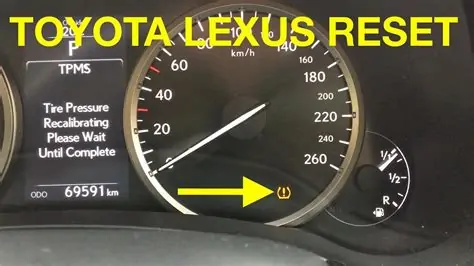
Explore TPMS sensor essentials, common issues, reset steps for Lexus, maintenance benefits, and professional services to ensure optimal tire performance and safety.Are you experiencing warning lights on your Lexus dashboard related to tire pressure? Understanding your vehicle’s Tire Pressure Monitoring System (TPMS) is essential for ensuring both safety and performance on the road. TPMS sensors play a crucial role in monitoring tire pressure, but they can sometimes malfunction or require calibration. In this blog post, we’ll delve into common TPMS sensor issues specific to Lexus vehicles, guide you through the steps for resetting these sensors, and highlight the benefits of regular maintenance for optimal performance. Whether you’re a seasoned Lexus owner or new to the brand, this comprehensive guide will equip you with the knowledge needed to keep your tires—and your ride—running smoothly. Plus, we’ll discuss when it’s best to call in professionals for TPMS sensor services. Let’s get started!
Understanding TPMS Sensors
Tire Pressure Monitoring System (TPMS) sensors play a crucial role in modern vehicle safety and performance. They are designed to monitor the air pressure in your vehicle’s tires and alert the driver when any tire pressure falls below the recommended level. This system is especially important for ensuring optimal fuel efficiency and safe handling on the road.
What are TPMS Sensors?
TPMS sensors are electronic devices that are either mounted on the wheel or installed inside the tire, closely monitoring the tire’s pressure. There are two main types of TPMS:
- Direct TPMS: Uses pressure sensors located in each tire to send real-time data to the vehicle’s onboard computer.
- Indirect TPMS: Relies on the vehicle’s anti-lock braking system (ABS) to estimate tire pressure based on wheel speed.
How TPMS Sensors Work
When tire pressure drops below a predetermined level, the TPMS sensors transmit a signal to the vehicle’s dashboard, illuminating the TPMS warning light. This early warning system helps drivers take corrective actions, such as inflating tires or seeking mechanical assistance.
Benefits of TPMS
Using TPMS sensors provides several advantages:
- Enhanced vehicle safety by preventing blowouts and loss of vehicle control.
- Improved fuel efficiency due to properly inflated tires.
- Prolonged tire lifespan through regular monitoring.
Common Issues with TPMS Sensors
While TPMS sensors are highly beneficial, they can encounter issues such as:
- Dead battery in the sensor.
- Sensor damage from tire changes or road debris.
- Calibration problems after tire rotation or replacement.
Understanding how TPMS sensors work and their significance can help you maintain your vehicle’s safety and performance effectively. Regular monitoring and attention to any warning signals can lead to a safer driving experience.
Common TPMS Sensor Issues
The Tire Pressure Monitoring System (TPMS) is a crucial safety feature in modern vehicles, including Lexus cars. It alerts drivers to discrepancies in tire pressure, ensuring optimal performance and safety. However, like any system, TPMS sensors can face various issues. Here are some common TPMS sensor issues that Lexus drivers may encounter:
| Issue | Description | Possible Causes |
|---|---|---|
| Faulty Sensors | Sensors may become unresponsive or return inaccurate readings. | Age, damage, or electrical failure. |
| Low Battery | The battery in the TPMS sensor may deplete, causing it to malfunction. | Environmental factors or age of the sensor. |
| Improper Installation | If TPMS sensors are not installed correctly, they may not function as intended. | Incorrect installation during tire service. |
| Interference | Sometimes, other electronic devices can interfere with sensor signals. | Nearby electronic devices or modifications to the vehicle. |
| Temperature Changes | Extreme temperature shifts can affect tire pressure and sensor readings. | Cold weather or seasonal changes. |
Addressing these issues promptly is essential for maintaining optimal tire performance. Regular maintenance and awareness of any warning lights on your dashboard can help keep your TPMS functioning effectively. If you experience persistent problems, consulting a professional is advisable to ensure accurate diagnosis and repair.
Steps for Lexus TPMS Sensor Reset
The Tire Pressure Monitoring System (TPMS) in your Lexus is a vital component that helps maintain safety and efficiency while driving. If you’ve recently rotated your tires, changed them, or if the TPMS warning light is illuminated, you may need to reset the sensors to ensure accurate tire pressure readings. Here are the steps to successfully reset the TPMS sensors in your Lexus:
Step-by-Step Instructions
- Turn on the Ignition: Insert your key into the ignition and turn it to the ‘On’ position, but do not start the engine.
- Locate the TPMS Reset Button: Find the TPMS reset button. This is usually located under the steering wheel or in the glove compartment. Refer to your owner’s manual if you have trouble finding it.
- Press the TPMS Reset Button: Press and hold the TPMS reset button until the TPMS indicator light blinks three times. This indicates that the system is resetting.
- Start the Engine: After releasing the button, start your engine. The TPMS light may continue to blink for a few minutes as the sensors are recalibrating.
- Check Tire Pressure: Use a tire pressure gauge to ensure that all tires are inflated to the recommended pressure, including the spare tire if applicable.
- Turn Off the Engine: Turn off the engine and then restart it to check if the TPMS light has turned off. If it remains illuminated, repeat the previous steps to ensure the reset was successful.
When to Reset Your TPMS
It’s essential to reset your TPMS after:
- Rotating tires
- Replacing tires
- Adjusting tire pressure
If the TPMS light persists after following these steps, it may indicate an underlying issue with one of the sensors. In this case, consult with a professional technician to diagnose and resolve the problem.
Regular maintenance and understanding of your vehicle’s TPMS can enhance safety and increase tire lifespan. – Automotive Expert
By following these steps, you can ensure that your Lexus’s TPMS is functioning correctly, promoting a safe and efficient driving experience.
Benefits of Regular TPMS Maintenance
The Tire Pressure Monitoring System (TPMS) is an essential component of your vehicle that helps ensure your tires are properly inflated. Regular maintenance of your TPMS can lead to a variety of benefits, making it a crucial aspect of vehicle upkeep. Here are some of the key advantages:
| Benefit | Description |
|---|---|
| Improved Safety | Regular maintenance of your TPMS helps you avoid tire blowouts and enhances overall vehicle safety. |
| Better Fuel Efficiency | Properly inflated tires reduce drag and improve fuel efficiency, saving you money on gas. |
| Extended Tire Life | Maintaining optimal tire pressure prolongs the life of your tires, leading to fewer replacements. |
| Enhanced Vehicle Performance | A well-functioning TPMS aids in optimal vehicle performance, ensuring smoother rides and better handling. |
| Cost Savings | Regular TPMS checks can prevent costly repairs related to tire damage or misalignment. |
Maintaining your TPMS doesn’t just ensure the longevity of your tires; it also significantly contributes to the overall performance and safety of your vehicle. By understanding the importance of regular checks and services, you can reap these benefits and keep your Lexus running smoothly.
Investing in regular maintenance of your TPMS is
Professional TPMS Sensor Services
When it comes to maintaining your vehicle’s safety and efficiency, TPMS (Tire Pressure Monitoring System) sensors play a crucial role. Professional TPMS sensor services ensure that your system is functioning properly, helping to prevent issues that can arise from improperly inflated tires.
Why Choose Professional Services?
While many vehicle owners might consider DIY solutions for their TPMS issues, opting for professional services has significant advantages:
- Expert Diagnosis: Experienced technicians can accurately diagnose any TPMS sensor problems, ensuring a comprehensive solution.
- Advanced Tools and Equipment: Professionals utilize specialized tools to test and service TPMS sensors, which may not be available to the average car owner.
- Warranty Coverage: Many auto service centers offer warranties on their work, providing extra peace of mind for customers.
- Time Efficiency: Professionals can typically resolve issues faster than the average person, getting you back on the road more quickly.
Services Offered
Professional TPMS sensor services can include:
| Service | Description |
|---|---|
| Sensor Installation | Replacing or installing new TPMS sensors according to the manufacturer’s specifications. |
| Sensor Recalibration | Adjusting TPMS sensors to ensure they communicate accurately with the vehicle’s onboard computer. |
| Battery Replacement | Replacing the batteries in the TPMS sensors to prevent sensor failure. |
| System Check | Comprehensive diagnostics of the entire TPMS to check for proper functioning. |
Benefits of Choosing Professionals
Utilizing professional TPMS sensor services not only enhances the functionality of your tire pressure monitoring system but also plays a vital role in overall vehicle safety:
“An effective TPMS ensures that your tires are always at the optimal pressure, significantly enhancing your vehicle’s efficiency and safety.”
Don’t compromise on safety—consider scheduling a professional service today to keep your TPMS sensors in top condition!
Frequently Asked Questions
What is a TPMS sensor?
A TPMS (Tire Pressure Monitoring System) sensor is a device in your vehicle that monitors the air pressure in your tires and alerts you if the pressure falls below a certain threshold.
Why might I need to reset my Lexus TPMS sensor?
You may need to reset your Lexus TPMS sensor after changing a tire, rotating your tires, or when the TPMS warning light is illuminated on your dashboard, indicating a malfunction or low pressure.
How do I reset the TPMS sensor in a Lexus?
To reset the TPMS sensor in a Lexus, turn the ignition to ON (but do not start the engine), press the TPMS reset button (usually located under the steering wheel), and maintain pressure on the button until the TPMS warning light blinks and goes off.
What happens if I don’t reset the TPMS sensor?
If you don’t reset the TPMS sensor, the warning light will remain illuminated, and you may not receive accurate tire pressure readings, which can compromise safety and fuel efficiency.
Is it safe to drive with a TPMS warning light on?
While it’s possible to drive with the TPMS warning light on, it indicates a potential issue with tire pressure that should be addressed to ensure safety and prevent tire damage.
Can I reset the TPMS sensor using a diagnostic tool?
Yes, you can use a compatible OBD-II diagnostic tool to reset the TPMS sensor and clear any warning codes from the vehicle’s computer system.
What should I do if the TPMS warning light stays on after resetting?
If the TPMS warning light stays on after resetting, check the tire pressure in all tires, as a low tire or malfunctioning sensor may be the cause. If the issue persists, consider having your vehicle inspected by a professional.