
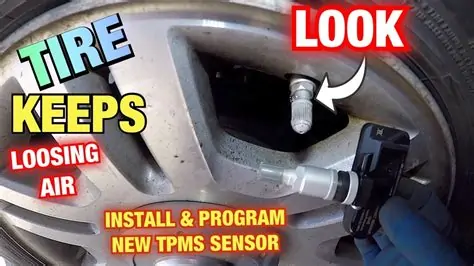
Learn about TPMS sensors, common leaks, their impact on tire pressure, signs of issues, and preventive maintenance tips for optimal vehicle safety.Title: Leaking TPMS Sensor
In today’s fast-paced automotive world, maintaining optimal tire pressure is crucial for safety and efficiency. Tire Pressure Monitoring Systems (TPMS) play a vital role by alerting drivers to any changes in tire inflation. However, when these sensors begin to leak, they can compromise their effectiveness, leading to potential hazards on the road. Understanding the intricacies of TPMS sensors, including the common causes of leaks and the impact on overall tire performance, is essential for every vehicle owner. In this blog post, we will delve into how to identify signs of a leaking TPMS sensor, explore preventive maintenance measures, and ensure your tires remain in peak condition. Join us as we uncover the importance of addressing TPMS leaks and keeping your vehicle safe and efficient.
Understanding TPMS Sensors
Tire Pressure Monitoring Systems (TPMS) are crucial components in modern vehicles, designed to monitor the air pressure within the tires and alert the driver to any issues. Maintaining proper tire pressure is essential for safe driving, fuel efficiency, and tire longevity.
TPMS can be divided into two main types: Direct TPMS and Indirect TPMS.
| Type | Description |
|---|---|
| Direct TPMS | Uses pressure sensors located inside each tire to measure air pressure and send data to the vehicle’s onboard computer. |
| Indirect TPMS | Does not use sensors but relies on the car’s ABS (Anti-lock Braking System) to detect changes in wheel rotation speed, inferring tire pressure based on these changes. |
The direct TPMS offers more accurate and real-time readings, while the indirect TPMS is generally less expensive and easier to maintain. Understanding the functionality of these systems is vital for diagnosing issues such as leaks.
In summary, TPMS sensors play a key role in vehicle safety by ensuring that tire pressure remains within optimal levels, thus reducing the risk of blowouts and enhancing fuel efficiency. Knowing how these systems work is important for any vehicle owner.
Common Causes of TPMS Leaks
The Tire Pressure Monitoring System (TPMS) is an essential component of vehicle safety that ensures your tires are inflated to the proper pressure. Unfortunately, TPMS sensors can experience leaks, which can lead to inaccurate tire pressure readings and potential safety hazards. Here are some of the common causes of TPMS leaks:
- Damaged Valve Stems: Over time, valve stems can deteriorate due to exposure to the elements or physical damage, leading to air leaks.
- Corrosion: Corrosion of the TPMS sensor itself, often due to exposure to moisture and road salt, can result in leaks and malfunction.
- Improper Installation: If a TPMS sensor is not installed correctly, it may not create a proper seal, leading to air escaping from the tire.
- External Factors: Road debris, potholes, and other external factors can damage the TPMS sensor or valve stem, causing a leak.
- Aging Sensors: Just like any component, TPMS sensors have a lifespan. Older sensors may become less reliable and more prone to leaks.
To maintain your TPMS effectively, it’s crucial to regularly check your tires for proper inflation and monitor for any warning signals that indicate a potential problem. Keeping an eye on these common causes can help you ensure that your TPMS functions correctly and enhances your vehicle’s safety.
Impact of Leaking TPMS on Tire Pressure
When it comes to maintaining tire safety and performance, a properly functioning Tire Pressure Monitoring System (TPMS) is essential. A leaking TPMS sensor can significantly impact the overall health of your tires. Below, we’ll explore the various ways a leaking TPMS can affect tire pressure.
Understanding the Consequences
Leaking TPMS sensors can lead to inaccurate pressure readings. This miscommunication between the system and the driver can cause a range of issues:
- Under-inflation: Many drivers are unaware that their tires may be losing air due to a faulty sensor, which could result in them driving on under-inflated tires.
- Tire Wear: Consistently low tire pressure can accelerate tire wear, leading to uneven tread patterns and a reduced lifespan for your tires.
- Decreased Fuel Efficiency: Under-inflated tires require more energy to roll, resulting in increased fuel consumption, which can have financial implications.
Potential Risks
Driving with a leaky TPMS sensor poses numerous risks:
- Blowouts: Low pressure increases the likelihood of tire blowouts, which can be dangerous and may lead to accidents.
- Compromised Handling: Inaccurate tire pressure can negatively affect your vehicle’s handling and performance, increasing the risk of skidding or loss of control, especially in adverse weather conditions.
- Increased Repair Costs: Ignoring tire pressure issues can lead to costly repairs not only for tires but also for suspension and alignment systems.
Monitoring Your TPMS
To mitigate the impact of a leaking TPMS sensor, regular monitoring and maintenance are crucial. Consider the following:
“An early detection strategy can save you money and enhance your driving safety.”
In the event you suspect a leaking TPMS sensor, having it checked by a professional technician can ensure your tires are always at the correct pressure, enhancing both safety and performance on the road.
Identifying Signs of a Leaking TPMS Sensor
A Tire Pressure Monitoring System (TPMS) is essential for maintaining proper tire pressure, ensuring safety, and improving fuel efficiency. However, when a TPMS sensor starts leaking, it can lead to inaccurate tire pressure readings, potentially leading to unsafe driving conditions. Here are some key signs to look out for when identifying a leaking TPMS sensor.
1. Warning Light on Dashboard
One of the first signs of a malfunctioning TPMS is the warning light illuminating on your vehicle’s dashboard. This light typically looks like a flat tire and indicates that there is a problem with one or more of your tires or the TPMS sensor itself.
2. Inconsistent Tire Pressure Readings
If you notice that your tire pressure readings are frequently changing or appear inconsistent, this could indicate a leaking TPMS sensor. It’s essential to regularly check your tire pressure manually to determine if the readings match what the TPMS is displaying.
3. Sudden Loss of Tire Pressure
A sudden drop in tire pressure can be alarming. If you experience a rapid loss of pressure in your tires alongside a TPMS warning, it may be a sign that your TPMS sensor is failing or leaking.
4. Unusual Tire Wear
Inspect your tires for any uneven or unusual wear patterns. A malfunctioning TPMS sensor may cause you to drive with improperly inflated tires, leading to accelerated wear and potential tire failure. Pay attention to:
- Wear on the edges of the tire.
- Cupping or scalloped patterns on the tire surface.
5. Frequent Manual Adjustments
If you find yourself frequently having to adjust your tire pressure, it might indicate that the TPMS is not functioning properly. Consistent leaks from the sensors could cause your tires to lose pressure more quickly than expected.
6. Physical Damage to the Sensor
Sometimes the signs of a leaking TPMS sensor are physical. If you inspect the tire valve where the TPMS sensor is located and notice any cracks, corrosion, or physical damage, it’s essential to have it checked immediately. Physical damage can lead to leaks and inaccurate readings.
7. Tire Size or Type Changes
If you’ve recently changed your tires to a different size or type and notice issues with the TPMS, this could indicate that the sensors are not correctly calibrated for the new tires. Sometimes resetting your TPMS is necessary in such cases.
Being able to identify the signs of a leaking TPMS sensor is crucial for maintaining tire safety and performance. If you suspect that your TPMS is malfunctioning, consult a professional mechanic to evaluate the system and make any necessary repairs. Regular maintenance and awareness can prevent further issues and ensure your vehicle remains safe and efficient on the road.
Preventive Maintenance for TPMS Sensors
Maintaining your TPMS sensors (Tire Pressure Monitoring System) is crucial for ensuring the safety and stability of your vehicle. Preventive maintenance can help identify issues before they lead to serious problems like tire failure or inefficient fuel consumption. Here are some effective preventive maintenance tips for your TPMS sensors:
1. Regular Tire Inspection
Conduct regular inspections of your tires and TPMS sensors. Look for:
- Visible damage or wear on tires.
- Corrosion or dirt buildup on the sensor.
- Any signs of leaking air.
2. Monitor Tire Pressure
Make it a habit to regularly check your tire pressure manually. This can help you notice discrepancies that the TPMS might not immediately report. Use a quality tire pressure gauge, and ensure your tires are inflated to the manufacturer’s recommended levels.
3. Clean the Sensors
Over time, dirt and debris can accumulate on TPMS sensors, affecting their ability to function correctly. To clean them:
- Use a soft cloth to wipe away dirt.
- Verify that there’s no corrosion on the sensor terminals.
4. Check Battery Life
Most TPMS sensors are powered by batteries that eventually run out. Check the battery life during your routine maintenance checks. Replace sensors if needed to ensure they are functioning optimally.
5. Tire Rotation and Alignment
Ensuring your tires are rotated and aligned regularly can prolong the life of both your tires and TPMS sensors. Misalignment can strain the sensors and alter their functionality.
6. Replace Old Sensors
If you are replacing tires, consider replacing TPMS sensors if they are over five years old or showing signs of wear. This investment can save you from costs associated with premature tire failure.
7. Professional Inspection
Occasionally, take your vehicle to a professional for a comprehensive TPMS sensor check-up. Technicians can identify potential issues that might be overlooked in basic inspections.
8. Stay Informed
Keep abreast of any updates regarding your vehicle’s TPMS sensors. This includes understanding any recalls or new technologies that may enhance sensor performance.
By implementing these preventive maintenance tips, you can enhance the longevity and performance of your TPMS sensors, ensuring that your vehicle remains safe and efficient on the road.
Frequently Asked Questions
What is a TPMS sensor?
A TPMS (Tire Pressure Monitoring System) sensor is a device that monitors the air pressure in a vehicle’s tires. It alerts the driver when tire pressure falls below a certain threshold.
What are the signs of a leaking TPMS sensor?
Signs of a leaking TPMS sensor include a persistent warning light on the dashboard, visible air loss in tires, or a noticeable decrease in tire pressure.
What causes a TPMS sensor to leak?
A TPMS sensor can leak due to a damaged valve stem, corroded housing, or a cracked sensor body, often caused by wear and tear, environmental factors, or incorrect installation.
How can I check if my TPMS sensor is leaking?
To check for leaks, inspect the valve stems for damage, use a tire pressure gauge to measure tire pressure, and listen for hissing sounds around the tires.
Can I drive with a leaking TPMS sensor?
Driving with a leaking TPMS sensor is not recommended as it can lead to decreased tire pressure, which increases the risk of tire blowouts and negatively impacts fuel efficiency.
How do I fix a leaking TPMS sensor?
To fix a leaking TPMS sensor, you can replace the damaged valve stem, seal the leak with appropriate materials, or replace the entire TPMS sensor if necessary.
Should I consult a professional for a leaking TPMS sensor?
Yes, it is advisable to consult a professional mechanic for a leaking TPMS sensor to ensure proper diagnosis and repair, thereby maintaining vehicle safety.