
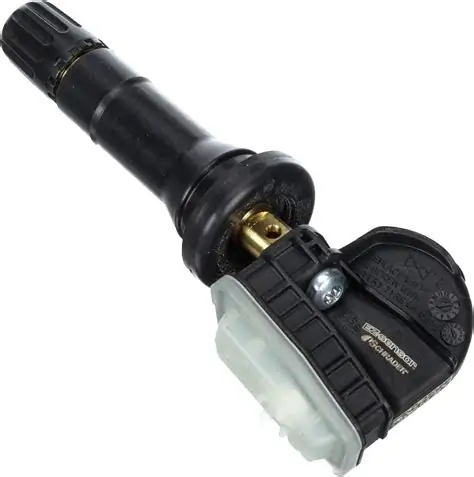
Discover the EZ Sensor TPMS: its benefits, installation process, programming tips, and maintenance guidelines for optimal tire performance and safety.In the evolving landscape of automotive technology, the EZ Sensor TPMS stands out as a revolutionary solution for tire pressure monitoring. As safety and efficiency take center stage in vehicle maintenance, understanding the EZ Sensor TPMS becomes essential for drivers and auto enthusiasts alike. This innovative system not only enhances vehicle safety by alerting drivers to changes in tire pressure but also offers a host of benefits that can enhance overall driving performance. Whether you’re considering installation, eager to understand programming, or looking for maintenance tips, this blog post will provide you with a comprehensive overview of the EZ Sensor TPMS. Join us as we delve into its features, advantages, and practical advice for ensuring your TPMS always operates at its best.
What is EZ Sensor TPMS?
EZ Sensor TPMS, or Tire Pressure Monitoring System, is an advanced technology designed to monitor the air pressure inside your vehicle’s tires in real-time. This system ensures that your tires are properly inflated, promoting safety and efficiency while driving.
The EZ Sensor is a type of universal tire pressure sensor that is compatible with multiple vehicle makes and models. Unlike traditional TPMS that requires a specific sensor for each vehicle, the EZ Sensor can be programmed to work with various brands, making it a versatile choice for both consumers and automotive professionals alike.
Key features of the EZ Sensor TPMS include:
- Universal Compatibility: Can be used across different car brands and models.
- Built-in Sensors: Continuously monitors tire pressure and temperature.
- Easy Installation: Designed for straightforward installation, typically aligning with existing wheel configurations.
- Durability: Crafted from high-quality materials to withstand various environmental conditions.
Overall, the EZ Sensor TPMS represents a significant advancement in tire pressure monitoring technology. Its flexibility and reliability make it an essential component for anyone keen on maintaining tire safety and performance.
Benefits of EZ Sensor TPMS
The EZ Sensor TPMS (Tire Pressure Monitoring System) offers a range of advantages for vehicle owners, ensuring both safety and optimal performance. Here are some of the key benefits:
| Benefit | Description |
|---|---|
| Improved Safety | Maintaining the correct tire pressure prevents blowouts and enhances handling characteristics, significantly reducing the risk of accidents. |
| Fuel Efficiency | Properly inflated tires can improve fuel efficiency, as under-inflated tires can lead to increased rolling resistance, ultimately wasting fuel. |
| Enhanced Tire Longevity | Regular monitoring helps in maintaining optimal tire pressure, which extends tire life and saves on replacement costs. |
| Convenience | The EZ Sensor TPMS provides real-time tire pressure readings, allowing drivers to easily monitor their tires without manual checks. |
| Cost-Effective | Although there is an initial investment, the long-term savings from improved fuel efficiency and reduced tire wear make it a cost-effective choice. |
In addition to these benefits, the EZ Sensor TPMS is known for its user-friendly design and compatibility with a variety of vehicle makes and models. By investing in this advanced tire monitoring system, drivers can enjoy peace of mind knowing their tires are well-maintained.
Safety is not a gadget but a state of mind. – Eleanor Everet
Embracing technology like the EZ Sensor TPMS can play a crucial role in ensuring your driving experience is both safe and efficient.
Installation of EZ Sensor TPMS
Installing the EZ Sensor TPMS (Tire Pressure Monitoring System) is a straightforward process that can significantly enhance your vehicle’s tire performance and safety. Below, we guide you through the steps to successfully install the EZ Sensor TPMS.
Tools Needed:
- EZ Sensor TPMS kit
- Tire pressure gauge
- Tire lever or bead breaker
- Torque wrench
- Safety goggles
- Gloves
Installation Steps:
- Prepare the Vehicle: Start by ensuring your vehicle is parked on a flat surface. Activate the hazard lights for safety.
- Remove the Tire: Using the tire lever or bead breaker, carefully remove the tire from the wheel rim.
- Install the EZ Sensors:
- Take the EZ Sensor TPMS and insert it into the designated valve stem.
- Make sure it is securely attached and that the grommet is well seated to prevent leaks.
- Reinstall the Tire: Once the sensors are in place, mount the tire back onto the wheel rim and make sure it is seated properly.
- Inflate the Tire: Inflate the tire to the manufacturer’s recommended pressure. Use the tire pressure gauge to check the pressure.
- Calibrate the Sensors: Follow the manufacturer’s instructions to synchronize the EZ Sensor TPMS with your vehicle’s onboard system.
- Perform a Final Check: Verify that all sensors are working correctly and double-check the tire pressures.
Tips for a Successful Installation:
To ensure a trouble-free installation:
- Always wear safety goggles and gloves to protect yourself from debris.
- Work in a well-ventilated area, especially if using any chemicals.
- Consult your vehicle’s manual for specific pressure settings and sensor compatibility.
With proper installation, the EZ Sensor TPMS will help monitor your tire pressures in real-time, contributing to a safer and more efficient driving experience.
Programming EZ Sensor TPMS
The EZ Sensor TPMS is a revolutionary tool designed to enhance the safety and efficiency of your vehicle’s tire pressure monitoring system. Programming these sensors is crucial for ensuring they communicate effectively with your vehicle’s onboard computer. Here, we’ll explore how to properly program your EZ Sensor TPMS.
Steps to Program EZ Sensor TPMS
- Gather Required Tools: Before starting, ensure you have the following tools:
- OBDII scan tool or TPMS tool
- EZ Sensor TPMS
- Vehicle’s manual (for vehicle-specific procedures)
- Prepare Your Vehicle: Park your vehicle in a well-lit area and turn off the ignition. It’s advisable to have the vehicle’s hazard lights on for better visibility.
- Connect the Tool: Plug in the OBDII scan tool into the diagnostic port of your vehicle. This is generally found under the dashboard.
- Turn on the Ignition: Without starting the engine, turn the ignition key to the ‘On’ position. This will power the TPMS tool.
- Access the TPMS Programming Mode: Using the scan tool, navigate to the TPMS programming section. Your tool might have different steps, so consult the user manual if needed.
- Enter Sensor IDs: Manually input or automatically read the sensor IDs from each EZ Sensor TPMS. This step is crucial for proper identification by the vehicle’s system.
- Complete Programming: Follow the prompts on your tool to complete the programming process. The tool should confirm that the sensors are successfully programmed.
- Test Functionality: After programming, perform a test drive to ensure the TPMS is functioning correctly. Monitor the dashboard for any warning lights.
Important Considerations
Always refer to your vehicle’s manual for specific programming instructions and ensure you have the latest software version for your programming tool.
Programming your EZ Sensor TPMS accurately is essential for maintaining optimal tire pressure and ensuring your safety on the road. Improper programming can lead to inaccurate readings, which can potentially compromise your driving experience.
By following these steps, you can effectively program your EZ Sensor TPMS and enjoy the benefits it brings to your vehicle’s performance.
Maintenance of EZ Sensor TPMS
The EZ Sensor TPMS is designed to provide accurate tire pressure readings and enhance vehicle safety. Regular maintenance is critical to ensure its longevity and performance. Here are some essential tips for maintaining your EZ Sensor TPMS:
Regular Inspections
- Check the sensors for any physical damage or corrosion.
- Inspect the valve stems for any signs of wear or leaks.
- Ensure that the sensor is securely attached to the tire.
Monitor Battery Life
Each EZ Sensor TPMS unit has a limited battery life, typically lasting up to 5-10 years. Regularly check the functioning of the sensors and replace them if you notice:
- A significant delay in pressure reading.
- Inconsistent readings across different sensors.
- Low battery warnings on your dashboard.
Proper Tire Maintenance
Maintaining your tires can significantly affect the performance of your TPMS. Consider the following:
- Regularly check and maintain the correct tire pressure.
- Rotate tires as per manufacturer recommendations.
- Perform visual inspections for any uneven wear.
Software Updates
Stay informed about the latest software updates for your EZ Sensor TPMS. These updates can enhance sensor accuracy and performance. Keep the following in mind:
- Check the manufacturer’s website for updates.
- Follow the instructions carefully while performing updates.
- Consult a professional if unsure about the update process.
Professional Calibration
Occasionally, it’s advisable to have your TPMS calibrated by a professional. This ensures that the readings are accurate and helps avoid any unforeseen issues. During calibration, the technician will:
Verify sensor communication, check for fault codes, and ensure that all parameters meet manufacturer specifications.
By adhering to these maintenance tips, you can extend the life of your EZ Sensor TPMS, ensuring it continues to provide reliable tire pressure monitoring. Regular upkeep not only enhances the TPMS functionality but also bolsters overall vehicle safety.
Frequently Asked Questions
What is an EZ sensor TPMS?
The EZ sensor TPMS (Tire Pressure Monitoring System) is a type of sensor used to monitor the air pressure in vehicle tires and alert the driver when the pressure is too low.
How does the EZ sensor TPMS work?
The EZ sensor TPMS works by using a small electronic sensor placed inside the tire that measures the tire’s air pressure. This data is transmitted wirelessly to a vehicle’s onboard computer system, which alerts the driver if any tire is under-inflated.
What are the benefits of using an EZ sensor TPMS?
The benefits of using an EZ sensor TPMS include improved vehicle safety, enhanced fuel efficiency, extended tire life, and convenience in maintaining optimal tire pressure.
Is the EZ sensor TPMS easy to install?
Yes, the EZ sensor TPMS is designed for easy installation, often without the need for specialized equipment. Many are designed as direct replacements for existing sensors, making them user-friendly.
How do I know if my EZ sensor TPMS is functioning properly?
You can check if your EZ sensor TPMS is functioning properly by monitoring the tire pressure readings on your dashboard. Additionally, warning lights or alerts should indicate if there are issues with tire pressure.
What should I do if the EZ sensor TPMS alerts me?
If the EZ sensor TPMS alerts you, you should immediately check the tire pressure of the affected tire(s) and inflate them to the recommended pressure. If the warning persists, inspect for leaks or damage.
Are there any limitations to using an EZ sensor TPMS?
Yes, limitations can include battery life of the sensors, potential interference from other electronic devices, and the need for reprogramming when changing or adding sensors to the vehicle.