
Learn about Honda’s TPMS, signs of faulty sensors, how to choose and replace them, and the importance of professional installation and calibration.Maintaining optimal tire health is crucial for ensuring the safety and performance of your Honda. One key component in this maintenance is the Tire Pressure Monitoring System (TPMS), which alerts drivers to abnormal tire pressures. However, like any automotive technology, TPMS sensors can experience wear and malfunction over time. This blog post will guide you through the essential aspects of Honda TPMS sensor replacement, from understanding how the system works to identifying signs of sensor failure. We’ll also explore how to choose the right replacement sensor, provide a step-by-step DIY replacement guide, and discuss the benefits of professional installation and calibration. Whether you’re a seasoned DIYer or prefer expert help, this comprehensive guide will equip you with the knowledge to keep your Honda’s tire monitoring system in top shape.
Understanding TPMS in Honda Vehicles
The Tire Pressure Monitoring System (TPMS) is a crucial feature in Honda vehicles, designed to enhance safety and improve fuel efficiency. By continuously monitoring the air pressure in your tires, it alerts drivers to any under-inflated tires, significantly reducing the risk of tire blowouts and increasing overall performance.
How TPMS Works
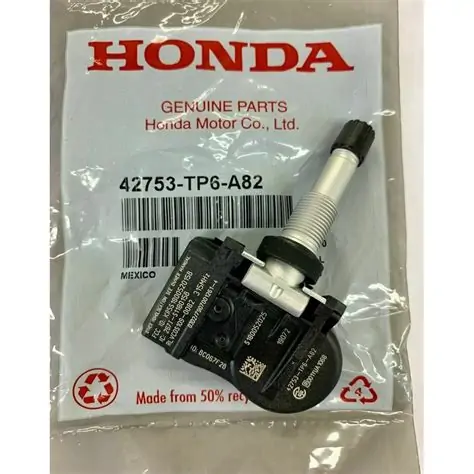
Honda’s TPMS operates using sensors located in each tire. These sensors measure the air pressure and communicate the data to the vehicle’s onboard computer. When the pressure falls below a specified threshold, the TPMS activates a warning light on the dashboard to alert the driver.
The Importance of Proper Tire Pressure
- Enhanced Safety: Maintaining the correct tire pressure minimizes the risk of accidents.
- Improved Fuel Efficiency: Properly inflated tires provide better fuel economy.
- Extended Tire Life: Correct tire pressure helps in achieving a longer lifespan for your tires.
Common Features of TPMS in Honda Vehicles
Honda vehicles equipped with TPMS offer features that include:
- Real-Time Monitoring: Continuous checking of tire pressure.
- Dashboard Warnings: Immediate alerts for low tire pressure.
- System Calibration: Allows recalibration after tire rotation or replacement.
Types of TPMS
Honda uses two types of TPMS:
- Direct TPMS: Uses pressure sensors in each tire.
- Indirect TPMS: Monitors the rotational speed of the tires through the ABS system.
Understanding the functionality and importance of the TPMS in Honda vehicles is essential for every driver. Regular maintenance and immediate attention to the dashboard alerts can ensure optimal vehicle performance and safety on the road.
Signs of a Faulty TPMS Sensor
The Tire Pressure Monitoring System (TPMS) in Honda vehicles is crucial for ensuring safety and optimal performance. A malfunctioning TPMS sensor can lead to inaccurate readings and, consequently, improper tire inflation. Here are some signs that indicate a faulty TPMS sensor:
- Warning Light on Dashboard: The most apparent sign is the illuminated TPMS warning light on your dashboard. If this light stays on after starting your vehicle, it could signify a malfunctioning sensor.
- Inaccurate Readings: If you notice that the tire pressure readings on your display do not match the actual tire pressure, it may be due to a faulty TPMS sensor.
- Frequent Alerts: Receiving constant alerts regarding tire pressure, even after you have checked and inflated the tires, can indicate an issue with the TPMS sensor.
- Flat Tire Indication: If the TPMS alerts you about a flat tire when there isn’t one, this can be a strong indicator of a malfunctioning sensor.
- Hard to Reset: If you’re unable to reset the system after inflating the tires correctly, it may suggest that the TPMS sensor is failing.
If you observe any of these signs, it’s advisable to have your TPMS system checked by a professional. Keeping your TPMS sensors in good shape is essential for your safety and the longevity of your tires.
Choosing the Right Replacement Sensor
When it comes to maintaining your Honda vehicle, ensuring that the Tire Pressure Monitoring System (TPMS) is working correctly is crucial for safety and performance. If you’ve determined that you need a new TPMS sensor, the next step is to choose the right replacement. Here are key considerations to keep in mind:
- Type of Sensor: Two main types of TPMS sensors exist: direct and indirect. Direct sensors are mounted on each wheel, providing real-time pressure readings, while indirect sensors calculate tire pressure based on wheel speed. Make sure to determine which type is compatible with your vehicle.
- OEM vs Aftermarket: Original Equipment Manufacturer (OEM) sensors are made by Honda and are often the preferred choice for perfect compatibility. However, there are also aftermarket sensors available that can be more cost-effective. Research the pros and cons before making a decision.
- Frequency Range: TPMS sensors operate on specific frequency bands, typically 315 MHz or 433 MHz. Verify the frequency compatible with your Honda model to ensure effective communication with your vehicle’s system.
- Relearn Procedures: Some TPMS sensors require specific procedures to be followed after installation, particularly relearning the sensors to the vehicle. Check if the replacement sensor you choose adheres to your vehicle’s relearn procedure requirements.
In summary, selecting the right TPMS sensor for your Honda involves considering the type of sensor, evaluating OEM versus aftermarket options, checking frequency compatibility, and understanding relearn procedures. By paying attention to these factors, you can ensure your vehicle’s TPMS runs smoothly and efficiently.
DIY Honda TPMS Sensor Replacement
The Tire Pressure Monitoring System (TPMS) is an essential feature in Honda vehicles that ensures your tires are properly inflated. If you experience issues with the TPMS, it may be time to consider a DIY replacement of the sensors. Here’s a comprehensive guide on how to replace the TPMS sensors in your Honda vehicle.
What You Need
- New TPMS sensors
- TPMS sensor tool (for programming)
- Socket set
- Tire pressure gauge
- Jack and jack stands
- Safety glasses
Step-by-Step Process
- Prepare Your Vehicle
- Park your Honda on a flat surface.
- Engage the parking brake and turn off the ignition.
- Lift the Vehicle
- Using a jack, lift the car and secure it with jack stands.
- Remove the Tires
- Loosen the lug nuts with a socket wrench.
- Remove the tires to access the TPMS sensors.
- Access the TPMS Sensors
- TPMS sensors are typically mounted on the valve stems. Remove the old sensor by unscrewing it from the valve.
- Install New Sensors
- Attach the new TPMS sensor to the valve stem, ensuring it is tightened properly.
- Reinstall the Tires
- Place the tires back on the vehicle and hand-tighten the lug nuts.
- Lower the Vehicle
- Carefully remove the jack stands and lower the vehicle back to the ground.
- Program the New Sensors
- Use the TPMS sensor tool to program the new sensors to your vehicle’s system. This step is crucial for ensuring the TPMS dashboard light turns off and works properly.
- Check Tire Pressure
- Finally, use a tire pressure gauge to check that all tires are inflated to the recommended pressure levels.
Safety Tips
Always wear safety glasses while working on your vehicle to protect your eyes from debris.
By following these steps, you can successfully replace the TPMS sensors in your Honda vehicle. It’s a straightforward process, allowing you to save on labor costs while ensuring your safety on the road.
Professional Installation and Calibration
When it comes to TPMS sensor replacement in your Honda vehicle, professional installation and calibration are key factors that ensure optimal performance and safety. While DIY methods may be tempting, seeking assistance from professionals can save you time and ensure the accuracy of the installation.
Why Choose Professional Installation?
- Expertise: Professional technicians are trained and experienced in handling TPMS sensors, which means they can easily identify any issues and ensure a correct installation.
- Advanced Tools: Professionals have access to specialized tools and equipment necessary for precise calibration and installation, reducing the risk of errors.
- Warranty Considerations: Many professional services offer warranties on their work, providing you peace of mind knowing that any future issues may be covered.
The Calibration Process
After the installation of the new TPMS sensor, proper calibration is essential. Calibration involves programming the new sensor to communicate effectively with the vehicle’s onboard computer. This process typically includes:
- Connecting the vehicle to a diagnostic tool.
- Resetting the vehicle’s TPMS system.
- Verifying that the new sensors are correctly reading tire pressures.
Signs You May Need a Professional
There are several indicators that suggest it may be time to seek professional help for your TPMS sensor needs:
- The warning light on your dashboard continues to illuminate after replacing the sensors.
- You notice inconsistent tire pressure readings across all tires.
- Your vehicle’s computer does not recognize the new TPMS sensors.
In summary, opting for professional installation and calibration for your Honda’s TPMS sensor replacement is a wise investment. It ensures that your sensor functions accurately, enhancing the safety and performance of your vehicle.
Frequently Asked Questions
What is a TPMS sensor?
A TPMS (Tire Pressure Monitoring System) sensor is a device that monitors the air pressure in a vehicle’s tires and alerts the driver when the pressure is too low or high.
Why would I need to replace my Honda’s TPMS sensor?
You might need to replace your TPMS sensor if it is malfunctioning, damaged, or has reached the end of its battery life, which can result in inaccurate tire pressure readings.
How do I know if my TPMS sensor needs replacing?
Signs that your TPMS sensor may need replacing include a warning light on your dashboard, inconsistent tire pressure readings, or a lack of response when checking the tire pressure.
Can I replace the TPMS sensor myself?
Yes, you can replace the TPMS sensor yourself if you have the right tools and follow the manufacturer’s guidelines; however, it’s often recommended to have a professional do it to ensure proper installation and calibration.
Do I need to reprogram the TPMS sensors after replacement?
Yes, after replacing a TPMS sensor, it typically needs to be reprogrammed or calibrated to ensure it communicates properly with the vehicle’s onboard computer.
How much does it cost to replace a TPMS sensor on a Honda?
The cost to replace a TPMS sensor can vary widely, usually ranging from $50 to $150 for the part alone, excluding labor costs.
What maintenance can I do to ensure my TPMS sensors last longer?
To prolong the life of your TPMS sensors, regularly check your tire pressure, avoid hitting potholes or curbs, and ensure that the sensors are properly installed and maintained during tire changes.