
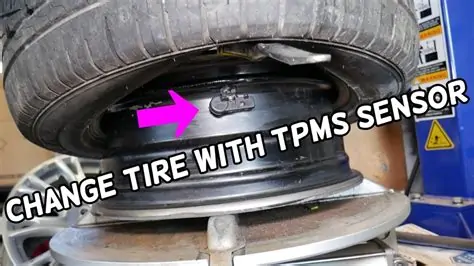
Explore the significance of TPMS sensors in spare tires, their benefits, and essential considerations for maintaining safety and performance on the road.When it comes to vehicle safety, understanding the role of Tire Pressure Monitoring Systems (TPMS) is essential—especially regarding spare tires. Many drivers may wonder if their spare tire comes equipped with a TPMS sensor and how this technology impacts tire safety. In our blog post, we’ll delve into the intricacies of TPMS sensors, highlighting their importance, especially in spare tires that often remain unused for long periods. We’ll examine whether all spare tires are fitted with these sensors, the benefits of having a TPMS-equipped spare, and factors to consider when it comes to maintenance and usage. Join us as we explore everything you need to know about TPMS in spare tires, ensuring you stay informed and safe on the road.
Understanding TPMS Sensors
TPMS, or Tire Pressure Monitoring System, is a safety feature designed to alert drivers when their tire pressure is dangerously low. This system plays a crucial role in vehicle safety and efficiency.
The primary components of TPMS include:
- TPMS Sensors: These sensors are located in each tire, monitoring tire pressure continuously.
- Receiver Module: This component receives the data transmitted by the sensors.
- Warning Light: A warning light on the dashboard activates when tire pressure is below the recommended level.
Types of TPMS
There are two main types of TPMS:
- Direct TPMS: This type uses pressure sensors inside the tire to provide accurate pressure readings.
- Indirect TPMS: This system relies on the ABS wheel speed sensors to determine if a tire is under-inflated based on its rotation speed.
Understanding how TPMS sensors work is essential for maintaining safe tire pressure, which, in turn, improves fuel efficiency, enhances handling, and extends the lifespan of tires. Regular maintenance and checks of these sensors can prevent conditions that might lead to tire blowouts or other safety hazards.
Proper tire maintenance is crucial for vehicle safety and performance. TPMS sensors are a vital tool in this respect. – Tire Safety Advocate
Importance of TPMS in Spare Tires
The Tire Pressure Monitoring System (TPMS) plays a crucial role in enhancing safety and performance, not just for regular tires but also for spare tires. When it comes to road safety, understanding the importance of TPMS in spare tires is essential.
Here are several reasons why the presence of a TPMS sensor in spare tires is significant:
- Safety Assurance: A properly inflated spare tire is vital for safe driving. A TPMS helps ensure that the spare tire is always at the correct pressure, thus reducing the risk of failure during a roadside emergency.
- Convenience: With a TPMS in place, drivers receive real-time notifications about low tire pressure. This means that the spare tire is ready for immediate use, providing peace of mind when it’s needed most.
- Extended Tire Life: Maintaining optimal tire pressure not only enhances safety but also increases the lifespan of the tires. TPMS can help prevent under-inflated tires which tend to wear out faster.
- Compliance with Regulations: In some regions, having a TPMS in vehicles—including spare tires—may be mandated by law. Ensuring compliance can help avoid penalties and enhance vehicle functionality.
According to the National Highway Traffic Safety Administration (NHTSA), under-inflated tires contribute to a significant number of automobile accidents each year. Therefore, having a TPMS in spare tires can potentially save lives by ensuring that drivers are always equipped with a functioning, safe spare.
In summary, the importance of a TPMS in spare tires cannot be overstated. It is an integral part of a vehicle’s safety system, providing ample benefits that promote driver confidence and vehicle reliability.
Do All Spare Tires Have TPMS?
The Tire Pressure Monitoring System (TPMS) is a crucial feature in modern vehicles, designed to enhance safety by continually checking tire pressure. However, when it comes to spare tires, the situation can vary significantly.
What is TPMS?
TPMS is an electronic system that monitors the air pressure inside your vehicle’s tires. If the pressure drops below a certain threshold, the system alerts the driver, allowing them to address the issue before it leads to dangerous situations.
Do All Spare Tires Come with TPMS?
The answer to whether all spare tires come equipped with TPMS is no. Here’s a breakdown:
| Type of Tire | TPMS Included |
|---|---|
| Full-size Spare Tire | Typically Yes |
| Compact Spare Tire | Often No |
| Donut Spare Tire | Usually No |
Why the Difference?
The inclusion of a TPMS sensor in spare tires often depends on the following factors:
- Vehicle Manufacturer: Some manufacturers equip all tires, including spares, with TPMS while others do not.
- Type of Spare: Full-size spares are generally treated like regular tires and may include a sensor, whereas compact or donut tires often do not.
- Cost Considerations: Incorporating TPMS in less frequently used spare tires can raise production costs, leading some manufacturers to leave it out.
Impact of Not Having TPMS on Spare Tires
If your spare tire lacks a TPMS sensor, it’s essential to be proactive about maintaining the correct tire pressure before any trip. A poorly inflated spare could lead to complications if you ever need to use it.
Ultimately, it is always best to check your vehicle’s user manual or consult with a tire professional to confir
Benefits of TPMS in Spare Tires
The Tire Pressure Monitoring System (TPMS) plays a crucial role in enhancing vehicle safety, and its benefits extend even to spare tires. Below are some key advantages of having a TPMS integrated with your spare tire:
- Enhanced Safety: A properly inflated spare tire is essential during emergencies. TPMS provides real-time alerts, ensuring that your spare is ready when you need it the most.
- Prevention of Tire Damage: Continuous monitoring helps in preventing under-inflation of your spare tire, which could lead to structural damage over time.
- Increased Longevity: With TPMS, you can maintain optimal pressure, thereby extending the lifespan of your spare tire.
- Convenience: Knowing the condition of your spare tire offers peace of mind, allowing you to focus on the road without worrying about tire issues.
- Cost-Effective: Regularly monitored tires can save you money in the long run by preventing costly repairs or replacements due to neglect or damage.
In summary, the benefits of having a TPMS for your spare tire are undeniable, enhancing safety and convenience for every vehicle owner.
Considerations for TPMS-Equipped Spare Tires
When it comes to vehicles, Tire Pressure Monitoring Systems (TPMS) play a crucial role in ensuring safety and performance. For those who have a spare tire equipped with a TPMS sensor, there are several important considerations to keep in mind. Understanding these factors will help you manage your vehicle’s tires better and enhance your driving experience.
1. Spare Tire Types
Not all spare tires are created equal. There are generally two types of spare tires:
- Full-Size Spare Tires: These are identical to a vehicle’s regular tires and often come equipped with TPMS sensors.
- Compact Temporary Spare Tires: Commonly known as “donuts,” these smaller tires typically do not have TPMS sensors. It’s essential to verify the type of spare tire you have.
2. Indicator Light on Dashboard
If your vehicle’s spare tire is equipped with a TPMS sensor, the dashboard warning light may illuminate if the spare tire is not installed correctly or if there is a malfunction in the system. It’s important to:
Regularly check that the TPMS is functioning properly to avoid unexpected issues.
3. Tire Pressure Maintenance
Like your regular tires, TPMS-equipped spare tires require periodic pressure checks. Here are some tips for maintaining proper tire pressure:
| Task | Frequency |
|---|---|
| Check tire pressure | Monthly |
| Inspect tire for damages | Every 6 months |
| Replace tire if worn out | As needed |
4. Sensor Recalibration
If you switch from your regular tire to a spare tire equipped with a TPMS sensor, recalibrating the system may be necessary. This often involves:
- Consulting your owner’s manual for specific recalibration procedures.
- Using a TPMS tool to reset the sensors after changing tires.
5. Professional Assistance
When in doubt, it’s advisable to seek professional assistance regarding any issues related to TPMS-equipped spare tires. A trained technician can provide valuable insights and help ensure that:
Your system remains fully operational and that your tires are safe for use.
In summary, being aware of how TPMS sensors interact with spare tires can greatly enhance your vehicle’s safety features. Regular maintenance and proper understanding of your tire systems will go a long way in ensuring a smooth driving experience.
Frequently Asked Questions
What is a TPMS sensor?
TPMS stands for Tire Pressure Monitoring System. It is a sensor that monitors the air pressure in your tires and alerts you if any of them are under-inflated.
Do all vehicles come with a TPMS sensor for the spare tire?
Not all vehicles are equipped with a TPMS sensor for the spare tire. Many vehicles have TPMS sensors for the main tires but do not include one for the spare.
Why is it important to know if the spare tire has a TPMS sensor?
Knowing whether your spare tire has a TPMS sensor is important for ensuring that it is properly inflated and safe to use in case of a flat tire.
How can I check if my spare tire has a TPMS sensor?
You can check your vehicle’s owner manual or consult with your dealership to find out if your specific model includes a TPMS sensor for the spare tire.
What should I do if my spare tire doesn’t have a TPMS sensor?
If your spare tire doesn’t have a TPMS sensor, it is essential to manually check the pressure regularly, especially before long trips.
What happens if I use a spare tire without a TPMS sensor?
Using a spare tire without a TPMS sensor means you won’t receive alerts about low tire pressure, which could compromise your safety if the tire is not properly inflated.
Are there aftermarket options for adding a TPMS sensor to a spare tire?
Yes, there are aftermarket TPMS sensors available that can be installed on spare tires, providing an added level of safety and monitoring.