
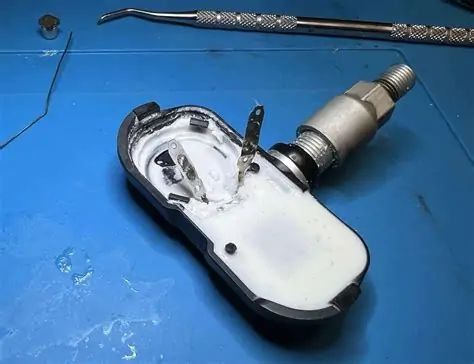
Discover the importance of TPMS sensors, signs of low battery, how to choose the right battery, and steps to replace it effectively.When it comes to vehicle maintenance, the Tire Pressure Monitoring System (TPMS) plays a crucial role in ensuring your safety on the road. Understanding the importance of TPMS sensors and their batteries is essential for every car owner. These sensors continuously monitor the air pressure in your tires, alerting you to any potential issues. However, like all components, TPMS sensors can experience battery depletion over time, leading to inaccurate readings and warning lights on your dashboard. In this blog post, we’ll delve into the fundamentals of TPMS sensors, recognize the signs of low battery, and discuss the importance of maintaining this system. Additionally, we’ll guide you on how to choose the right battery and provide step-by-step instructions for replacing your TPMS sensor battery efficiently. Get ready to empower yourself with the knowledge needed to keep your vehicle safe and well-maintained!
What is TPMS sensor?
The Tire Pressure Monitoring System (TPMS) sensor is a crucial component in modern vehicles designed to monitor the pressure of the tires. This system aims to enhance safety and performance by ensuring that tires are inflated to the manufacturer’s recommended levels.
When the tire pressure drops below a certain threshold, the TPMS sensor triggers a warning light on the dashboard to alert the driver. This feature is essential as it helps prevent issues such as:
- Poor fuel efficiency
- Tire blowouts
- Uneven tire wear
- Decreased vehicle handling
There are two main types of TPMS:
- Direct TPMS: This system uses sensors mounted inside each tire to measure the actual pressure. These sensors communicate directly with the vehicle’s onboard computer, providing real-time data.
- Indirect TPMS: This system relies on the anti-lock braking system (ABS) to infer tire pressure based on the rotational speed of the tires. If a tire is under-inflated, it will roll at a different speed compared to the properly inflated tires.
In summary, the TPMS sensor plays a vital role in maintaining optimal tire pressure, contributing significantly to your vehicle’s overall safety and efficiency.
Signs of low TPMS battery
The Tire Pressure Monitoring System (TPMS) is an essential feature in modern vehicles, including Toyota models, that helps ensure optimal tire pressure for safety and efficiency. One critical component of this system is the TPMS sensor battery. When the battery in a TPMS sensor is running low, it can lead to inaccurate tire pressure readings and potential safety hazards. Here are some common signs indicating that your TPMS battery may be low:
- Dashboard Warning Light: The most noticeable sign is the illumination of the TPMS warning light on your dashboard. If this light stays on or flashes, it may indicate a low battery or malfunctioning TPMS sensor.
- Erratic or Missing Tire Pressure Readings: If your vehicle displays unstable or non-existent tire pressure readings, this could mean the sensor battery is weak, failing to communicate properly with the system.
- Timed Alerts: Some vehicles may issue periodic alerts indicating that the TPMS battery is low, often accompanied by a message on the display. Pay attention to any notifications and instructions provided by your vehicle’s onboard computer.
- Physical Sensor Signs: If you suspect a battery issue, check the TPMS sensor stems. Some sensors have a battery access point that may show signs of corrosion or damage, suggesting the need for replacement.
This early detection of a low TPMS battery can prevent the inconvenience of tire problems and ensure your safety while driving. If you notice any of these signs, it’s advisable to have your TPMS checked and the battery replaced as needed.
Importance of TPMS sensor
The Tire Pressure Monitoring System (TPMS) sensor plays a crucial role in maintaining vehicle safety and performance. This advanced technology continuously monitors the air pressure inside your tires, providing real-time data to the driver. Understanding the importance of the TPMS sensor can help vehicle owners make informed decisions regarding their tire health.
| Benefits of TPMS | Description |
|---|---|
| Enhanced Safety | The TPMS alerts drivers to significantly low tire pressure, reducing the risk of tire blowouts and accidents. |
| Better Fuel Efficiency | Properly inflated tires improve fuel economy, as under-inflated tires can lead to increased rolling resistance. |
| Prolonged Tire Life | Monitoring tire pressure helps in maintaining the optimal pressure, thus extending the lifespan of the tires. |
| Environmentally Friendly | By ensuring tires are inflated to the correct pressure, TPMS contributes to reduced carbon emissions from vehicles. |
Regular Maintenance of the TPMS is essential. Signs that your TPMS may not be functioning correctly include the warning light on the dashboard or inaccurate readings. To ensure the reliability of this system, vehicle owners should incorporate regular checks into their maintenance routine.
In summary, the TPMS sensor is a vital component for any vehicle, directly impacting safety, efficiency, and environmental sustainability. By keeping an eye on the functionality of your TPMS, you not only promote your own safety but also enhance the overall driving experience.
Choosing the right battery
Choosing the right battery for your TPMS sensor is essential for ensuring accurate tire pressure monitoring and optimal vehicle safety. Below are important factors to consider when selecting a replacement battery for your Toyota TPMS sensor.
Key Considerations
- Battery Type: First, it’s crucial to identify the type of battery your TPMS sensor requires. Most manufacturers specify either a CR2032 or CR1632 lithium battery, but it’s always best to refer to your vehicle’s service manual.
- Voltage: Ensure that the battery you choose matches the required voltage. Most TPMS sensors operate on a 3V battery.
- Quality: Opt for reputable brands to ensure longevity and reliability. Well-known brands often provide batteries that last longer and perform better under different weather conditions.
- Expiration Date: Check the expiration date of the battery. A battery nearing its end of life may not function effectively, leading to false readings or sensor malfunctions.
- Compatibility: Always verify that the battery you choose is compatible with your specific TPMS sensor model. Mismatched batteries can lead to performance issues.
Battery Replacement Tips
“Always handle the battery with care to avoid damaging the sensor and ensure that your TPMS system functions as designed.”
To summarize, when choosing a replacement battery for your Toyota TPMS sensor, it’s critical to pay attention to the type, voltage, quality, expiration date, and compatibility to maintain effective tire pressure monitoring and vehicle safety.
Steps to replace TPMS battery
Replacing the TPMS battery is a critical maintenance task that most vehicle owners may eventually need to undertake. To ensure that your Tire Pressure Monitoring System functions effectively, follow these steps:
- Gather Necessary Tools: Make sure you have the following tools on hand:
- Replacement TPMS battery
- Screwdriver (appropriate size for your vehicle)
- Tire pressure gauge
- Socket wrench (if necessary)
- Park Your Vehicle Safely: Choose a flat, safe area to park your vehicle. Activate the parking brake and ensure the ignition is off.
- Remove the Tire: If necessary, remove the tire where the TPMS sensor is located. Use the socket wrench to loosen the lug nuts and remove the tire. This might be required to access the TPMS sensor.
- Locate the TPMS Sensor: The TPMS sensor is usually mounted inside the tire, attached to the valve stem. Depending on your vehicle type, you may need to carefully detach it from the wheel assembly.
- Remove the Old Battery: Gently open the sensor casing (if applicable) and remove the old battery. Take care not to damage any internal components.
- Insert the New Battery: Place the new TPMS battery into the sensor casing. Ensure that the battery is installed in the correct orientation, matching the positive and negative markings.
- Reassemble the Sensor: Close the sensor casing securely to protect it from moisture and debris. Ensure all components are tightly fitted.
- Reinstall the Tire: If you removed the tire, place it back onto the vehicle. Tighten the lug nuts in a crisscross pattern to ensure even pressure.
- Check Tire Pressure: Use a tire pressure gauge to check the pressure of each tire and adjust as needed. Ensure that you adhere to the manufacturer’s recommended pressure.
- Recalibrate the TPMS: Some vehicles require recalibration of the TPMS after changing the sensor battery. Refer to your vehicle’s manual for specific steps.
- Test the System: After replacing the battery and ensuring proper installation, start your vehicle and check if the TPMS warning light goes off. If it remains on, recheck the installation or consult with a professional.
Following these steps can help you smoothly replace the TPMS battery and maintain the efficacy of your vehicle’s tire pressure monitoring system.
Frequently Asked Questions
What is a TPMS sensor?
A Tire Pressure Monitoring System (TPMS) sensor is a device that measures the air pressure inside a tire and alerts the driver if the pressure is too low or too high.
Why would I need to replace my Toyota TPMS sensor battery?
Over time, the battery in the TPMS sensor can lose its charge, resulting in a malfunction where the sensor fails to communicate tire pressure data to the vehicle’s computer.
How often should I replace my TPMS sensor battery?
It’s recommended to replace the TPMS sensor battery every 5 to 7 years, although this can vary based on environmental factors and driving conditions.
What are the signs that my TPMS sensor battery needs to be replaced?
Common signs include a warning light on your dashboard, inconsistent tire pressure readings, or the TPMS sensor malfunctioning during tire rotations.
Can I replace the battery in the TPMS sensor myself?
While it’s possible to replace the battery yourself, it requires some technical knowledge, and it is often recommended to have it done by a professional to ensure proper integration and calibration.
How do I find the correct TPMS sensor battery for my Toyota?
You can find the correct battery for your TPMS sensor by checking your vehicle’s owner manual or consulting with a dealer or auto parts store for compatibility.
What happens if I continue to drive with a dead TPMS sensor battery?
Driving with a dead TPMS sensor battery can lead to undetected low tire pressure, increasing the risk of tire blowouts, poor fuel efficiency, and overall compromised vehicle safety.