
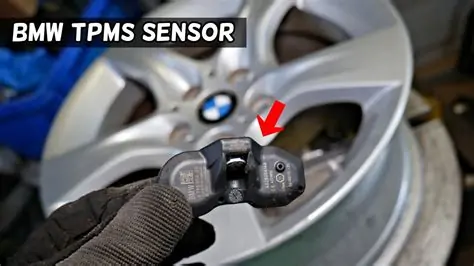
Learn about TPMS sensors, signs of faults, replacement importance, steps to replace them, and tips for choosing the right one for your vehicle.Maintaining the efficiency and safety of your BMW is paramount, and one crucial component in this equation is the Tire Pressure Monitoring System (TPMS) sensor. These sensors play a pivotal role in alerting you to any tire pressure irregularities, helping to enhance fuel efficiency and ensure optimal driving conditions. However, like any part of your vehicle, TPMS sensors can experience wear and tear over time. Recognizing the signs of a faulty sensor is essential to avoid potential road hazards. In this blog post, we will dive into the details of TPMS sensors, discuss the importance of timely replacements, and provide you with a step-by-step guide for replacing them. We’ll also explore how to choose the right TPMS sensor for your BMW, ensuring your driving experience remains smooth and trouble-free. Let’s get started on keeping your BMW in peak condition!
Understanding TPMS Sensors
The Tire Pressure Monitoring System (TPMS) is a critical component of your vehicle’s safety and performance. It continuously monitors the air pressure inside your tires and alerts you if any tire is significantly under-inflated. Understanding how TPMS sensors work and their importance can help ensure your tires are always in optimal condition.
TPMS sensors can be divided into two main types: direct TPMS and indirect TPMS.
| Type of TPMS | Description | Advantages |
|---|---|---|
| Direct TPMS | Uses sensors on each tire to measure pressure. | Provides real-time pressure data and is more accurate. |
| Indirect TPMS | Uses wheel speed data from the ABS system to infer tire pressure. | Less expensive and easier to integrate. |
The direct TPMS sensors are mounted on the valve stem of each tire and transmit data to the car’s onboard computer. When the tire pressure drops below a specified threshold, the system activates a warning light on the dashboard. In contrast, indirect TPMS relies on the differences in wheel speed to determine if a tire is under-inflated.
Knowing the status of your TPMS is essential, as under-inflated tires can lead to decreased fuel efficiency, increased tire wear, and even tire failure. By keeping your TPMS in good working order, you can avoid these potential issues and enhance your driving safety.
“Ensuring your tire pressure is optimal is not just a matter of performance—it’s a matter of safety.”
In summary, a solid understanding of TPMS sensors can empower you to take better care of your vehicle, leading to improved performance and increased safety on the road.
Signs of a Faulty TPMS Sensor
The Tire Pressure Monitoring System (TPMS) is an essential feature in modern vehicles, including BMWs, designed to monitor the air pressure in your tires. A malfunctioning TPMS sensor can lead to incorrect tire pressure readings, potentially resulting in compromised vehicle safety. Here are some common signs of a faulty TPMS sensor that every BMW owner should be aware of:
- Warning Light Activation: The most obvious sign of a malfunctioning TPMS sensor is the activation of the tire pressure warning light on your dashboard. If this light remains on after correcting tire pressure levels, you may have a faulty sensor.
- Inconsistent Readings: If the TPMS displays fluctuating tire pressure readings, it may indicate a problem with one or more sensors. Normal pressure should remain relatively stable.
- Low Tire Pressure Alerts: Pay attention to alerts indicating low tire pressure even when your tires are adequately inflated. This may mean that a sensor is not accurately functioning.
- Sensor Response Delay: An unresponsive TPMS when you are checking tire pressures can indicate a broken or malfunctioning sensor. A properly working system should respond quickly to input.
- Physical Damage: Inspect your tires and the sensors for any visible signs of damage, such as cracks or corrosion, which can lead to sensor failure.
If you notice any of these signs, it’s crucial to address the issue promptly. Neglecting a faulty TPMS sensor can lead to unsafe driving conditions and potential tire-related accidents.
Safety should always come first when it comes to vehicle maintenance. – Car Care Expert
Importance of TPMS Sensor Replacement
The Tire Pressure Monitoring System (TPMS) is a vital safety feature in modern vehicles, particularly in BMW models, which enhances overall vehicle performance and safety. Replacing faulty TPMS sensors is crucial for several reasons:
- Safety: Maintaining the correct tire pressure is essential for safe driving. A malfunctioning TPMS sensor can lead to inaccurate readings, increasing the risk of tire blowouts or accidents.
- Fuel Efficiency: Properly inflated tires contribute to better fuel efficiency. When TPMS sensors fail, tires may remain under-inflated, resulting in higher fuel consumption.
- Tire Lifespan: Regularly monitoring tire pressure through a functioning TPMS prevents uneven tire wear. When tires wear improperly, they need to be replaced sooner, which is an unnecessary expense.
- Performance: Driving on properly inflated tires ensures optimal vehicle handling and performance. Faulty sensors can compromise driving dynamics, affecting overall driving experience.
It’s worth noting that TPMS sensor replacement is a cost-effective investment in your vehicle’s health. Delaying replacement can lead to more significant issues down the line, including the potential for serious accidents or costly repairs. Therefore, ensuring your TPMS sensors are operational is not just about convenience—it’s about ensuring the safety and efficiency of your vehicle.
Your safety on the road largely depends on the condition of your tires. Don’t overlook the importance of functioning TPMS sensors!
In summary, replacing faulty TPMS sensors is an important aspect of vehicle maintenance that should not be ignored. Regular checks can save you from hazardous situations, improve fuel efficiency, and extend the lifespan of your tires.
Steps to Replace TPMS Sensors
Replacing your TPMS (Tire Pressure Monitoring System) sensors is an important maintenance task that helps ensure the safety and efficiency of your vehicle. If you’ve determined that it’s time to replace your TPMS sensors, follow these steps for a successful replacement.
Step 1: Gather Necessary Tools and Materials
Before you begin, ensure you have the following tools and materials ready:
- Tire pressure gauge
- Jack and jack stands
- Socket set
- TPMS sensor tool (if applicable)
- New TPMS sensors
- Anti-seize lubricant (for valve stems)
Step 2: Prepare Your Vehicle
Park your vehicle on a flat surface and ensure that the ignition is off. Engage the parking brake for added safety. If necessary, disconnect the battery to avoid any electrical issues during the replacement process.
Step 3: Remove the Tires
Using the jack, lift your vehicle and secure it with jack stands. Remove the lug nuts with your socket set and take off the wheels to access the TPMS sensors.
Step 4: Locate and Remove Old TPMS Sensors
With the tire removed, you will find the TPMS sensor attached to the valve stem. Carefully remove the sensor by unscrewing it from the valve. Be cautious not to damage the valve stem, as you may need to reuse it.
Step 5: Install New TPMS Sensors
Before installing the new sensors, apply a thin coat of anti-seize lubricant to the threads of the valve stem. Attach the new TPMS sensor onto the valve stem and secure it tightly. Follow the manufacturer’s instructions for the correct mounting procedure.
Step 6: Reinstall the Tires
With the new TPMS sensors securely in place, it’s time to put the tires back on. Align the wheels with the hub and hand-tighten the lug nuts. Lower the vehicle back to the ground and use the torque wrench to tighten the lug nuts to the manufacturer’s recommended specifications.
Step 7: Reconnect the Battery and Test
If you disconnected the battery earlier, reconnect it. Start the vehicle and ensure that the TPMS warning light on the dashboard turns off after a few minutes. You may need to use a specialized TPMS sensor tool to synchronize the new sensors with your vehicle’s system. Check the tire pressure using the tire pressure gauge to ensure they are properly inflated.
Step 8: Dispose of Old Sensors Properly
Finally, don’t forget to dispose of your old TPMS sensors responsibly. Many automotive shops will accept them for recycling.
Always refer to your vehicle’s owner manual for specific instructions related to your model, as these steps can vary slightly based on vehicle make and model.
Choosing the Right TPMS Sensor
When it comes to maintaining your BMW and ensuring its optimal performance, selecting the right TPMS (Tire Pressure Monitoring System) sensor is crucial. With various options available in the market, making an informed choice can save you time, money, and hassle.
Key Factors to Consider
- Compatibility: Ensure that theTPMS sensor is compatible with your specific BMW model. Different models and production years may require different sensors.
- OEM vs. Aftermarket: Decide whether to go for OEM (Original Equipment Manufacturer) sensors or aftermarket ones. OEM sensors are specifically designed for your vehicle and generally provide better reliability, while aftermarket options may be more affordable but could vary in quality.
- Battery Life: Check the expected battery life of the sensor. Most sensors have a lifespan of 5-10 years, but this can vary. Choose one with a longer lifespan to minimize future replacements.
- Features: Explore sensors with additional features, such as Bluetooth connectivity or those that allow for easy reprogramming. These features can enhance usability and monitoring capabilities.
Table of Compatible TPMS Sensors
| BMW Model | TPMS Sensor Part Number | Type |
|---|---|---|
| BMW 3 Series | 36106856060 | OEM |
| BMW 5 Series | 36106853719 | OEM |
| BMW X5 | 36106874771 | OEM |
| BMW 7 Series | 36106866061 | OEM |
Where to Purchase
Once you have determined the right type of sensor for your BMW, you can purchase it from various sources:
- Authorized Dealerships: For OEM sensors, visiting an authorized dealership is often the best route.
- Automotive Retailers: Stores like AutoZone or O’Reilly Auto Parts often carry both OEM and aftermarket sensors.
- Online Retailers: Websites like Amazon, eBay, or specialized auto parts stores may offer a wider range of options.
Ultimately, choosing the right TPMS sensor for your BMW is a critical decision that allows you to maintain proper tire pressure, ensuring your vehicle operates safely and efficiently.
Frequently Asked Questions
What is a TPMS sensor?
TPMS stands for Tire Pressure Monitoring System. It is a sensor that monitors the air pressure in your tires and alerts you if it falls below the recommended level.
Why would I need to replace my BMW’s TPMS sensor?
A TPMS sensor may need replacement due to battery depletion, damage, or malfunctioning, which could lead to inaccurate tire pressure readings and increased risk of tire failure.
How do I know if my BMW’s TPMS sensor is failing?
Signs of a failing TPMS sensor include a warning light on the dashboard, inconsistent tire pressure readings, or frequent alerts that don’t correspond with actual tire pressure.
Can I replace the TPMS sensor myself?
Yes, replacing the TPMS sensor can be done as a DIY project if you have the proper tools and knowledge. However, it may require reprogramming or calibration, which is often easier with professional assistance.
What is the cost of replacing a BMW TPMS sensor?
The cost to replace a BMW TPMS sensor typically ranges from $50 to $150 per sensor, plus any labor charges if done at a shop. The total cost can vary based on the model and year of the vehicle.
How do I reset the TPMS after replacing a sensor?
To reset the TPMS, you usually need to turn on the ignition without starting the engine and press the TPMS reset button until the light blinks three times. Consult your vehicle’s manual for specific instructions.
Is it necessary to replace all TPMS sensors at once?
It is not necessary, but it’s recommended to replace all sensors at the same time if they’re old or nearing their lifespan for consistent performance and accuracy.