
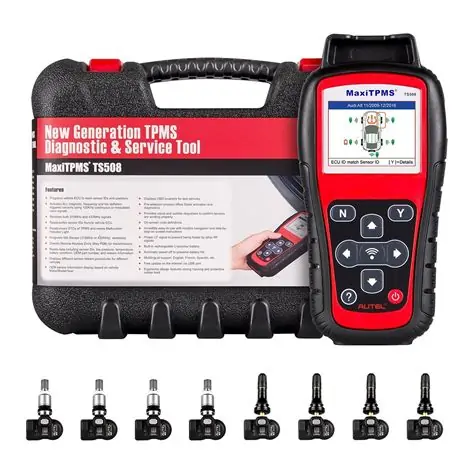
Discover everything about TPMS sensor tools: their types, importance, and benefits, plus tips for choosing the right one for your vehicle.In today’s automotive landscape, tire health is more crucial than ever, and Tire Pressure Monitoring System (TPMS) sensor tools play a vital role in maintaining optimal tire performance. These sophisticated devices help ensure that your vehicle’s tires are adequately inflated, enhancing safety, fuel efficiency, and overall driving experience. With a variety of TPMS sensor tools available, it’s essential to understand their functions and how to select the right one for your needs. In this blog post, we will delve into the various types of TPMS sensor tools, their significance in vehicle maintenance, and the benefits they offer. Whether you’re a DIY enthusiast or a professional mechanic, mastering the use of TPMS sensor tools can make a significant difference in your tire care routine. Let’s get started!
Understanding TPMS Sensor Tools
In the realm of modern vehicles, Tire Pressure Monitoring Systems (TPMS) play a crucial role in enhancing safety and efficiency. To truly appreciate the significance of TPMS, it is essential to understand the tools associated with it. TPMS sensor tools are essential devices that aid in the diagnosis, maintenance, and management of TPMS.
What is TPMS?
Before delving into TPMS sensor tools, let’s clarify what TPMS is. Tire Pressure Monitoring Systems are designed to monitor the air pressure inside the tires of a vehicle. They alert the driver when tire pressure falls below a certain threshold, helping to prevent accidents and improve fuel efficiency.
Types of TPMS Sensor Tools
There are primarily two types of TPMS sensor tools:
- Tools for Programming Sensors: These tools are used to program new or replacement TPMS sensors to work with the vehicle’s system.
- Diagnostic Tools: Designed for diagnosing issues related to TPMS, these tools can read and clear fault codes and provide real-time data on sensor performance.
How TPMS Sensor Tools Work
TPMS sensor tools utilize various technologies to interact with the TPMS. They can connect wirelessly via Bluetooth or through wired connections, depending on the type of tool being used. Once connected, these tools communicate with the TPMS sensors to perform necessary functions such as:
- Programming sensors after installation or replacement.
- Reading sensor data including tire pressure, temperature, and battery status.
- Clearing warning lights and resetting the system after maintenance.
Importance of TPMS Sensor Tools
The importance of TPMS sensor tools cannot be overstated. They ensure that the TPMS functions correctly, providing accurate readings and alerts. Regular use of these tools can help maintain tire health, leading to:
Improved safety on the road, better fuel economy, and extended tire life.
Conclusion
In summary, understanding TPMS sensor tools is fundamental for vehicle maintenance and safety. These tools not only facilitate the proper functioning of the TPMS but also contribute to overall vehicle health and efficiency.
Types of TPMS Sensor Tools
The Tire Pressure Monitoring System (TPMS) is an essential safety feature in modern vehicles, designed to monitor the air pressure inside the tires. To properly manage and diagnose TPMS issues, various sensor tools are available in the market. Understanding the types of TPMS sensor tools can help car owners and mechanics maintain optimal tire pressure and enhance vehicle safety.
1. TPMS Diagnostic Tools
These tools are used to read, reset, and program TPMS sensors. They allow technicians to diagnose any issues related to tire pressure. Diagnostic tools can provide detailed information about each sensor and help identify faults. Key features include:
- Reading tire pressure data
- Programming new TPMS sensors
- Resetting warning lights
2. TPMS Activation Tools
Activation tools are designed to communicate with TPMS sensors and initiate their activation. They are crucial when installing new sensors or replacing batteries. Important functions include:
- Activating sensors wirelessly
- Testing sensor functionality
- Confirming sensor IDs
3. TPMS Relearn Tools
Sometimes, a vehicle may require a TPMS relearn process after tire replacement or rotation. Relearn tools facilitate this process by reprogramming the vehicle’s TPMS module to recognize the new sensor locations. This ensures the system can monitor tire pressure accurately. Functions of relearn tools typically include:
- Guided relearn procedures
- Visual or audible alerts during the process
- Compatibility with various vehicle makes and models
4. TPMS Service Tool Kits
For those who frequently work with TPMS, investing in comprehensive service tool kits is beneficial. These kits usually include a combination of diagnostic and activation tools, along with necessary accessories like sensors and batteries. Benefits of service tool kits include:
- Convenience of having multiple tools in one package
- Cost-effectiveness compared to purchasing tools separately
- Enhanced efficiency in TPMS repairs and maintenance
5. Mobile TPMS Apps
With advancements in technology, several mobile applications are now available, allowing users to access TPMS data directly from their smartphones or tablets. These apps can provide valuable information such as:
- Real-time tire pressure readings
- Alerts for abnormal pressure levels
- Guidance for sensor installation and maintenance
In summary, knowing the various types of TPMS sensor tools available is crucial for effective tire maintenance and safety. From diagnostic tools to mobile TPMS apps, each type offers specific functionalities that cater to different needs, ensuring vehicle owners can keep their tires in optimal condition.
Importance of TPMS Sensor Tools
The importance of TPMS sensor tools cannot be overstated in the modern automotive landscape. These tools serve a critical role in vehicle safety and performance by ensuring that tire pressure monitoring systems (TPMS) operate effectively.
Here’s why TPMS sensor tools are essential:
- Safety: Proper tire pressure is crucial for safe driving. Under-inflated or over-inflated tires can lead to blowouts, loss of control, and accidents. TPMS sensor tools help monitor tire pressure accurately, alerting drivers to potential issues before they become dangerous.
- Fuel Efficiency: Maintaining the correct tire pressure improves fuel efficiency. Research shows that properly inflated tires can enhance fuel economy by up to 3%. Using TPMS sensor tools ensures that tires are always at optimal pressure, ultimately saving money at the pump.
- Prolongs Tire Life: Regular monitoring helps in identifying tire pressure issues early on, leading to timely interventions. This proactive approach extends the lifespan of tires, ultimately saving costs on replacements.
- Compliance with Regulations: In many regions, it is a legal requirement for vehicles to have a functioning TPMS. Utilizing TPMS sensor tools ensures compliance with these regulations, preventing potential fines and ensuring the vehicle is roadworthy.
Furthermore, TPMS sensor tools allow for efficient diagnostics and troubleshooting of TPMS-related issues. Technicians can quickly assess the health of the system, identify faulty sensors, and perform necessary repairs. This not only saves time but also enhances customer satisfaction.
In summary, the significance of TPMS sensor tools lies in their ability to promote safety, improve fuel efficiency, extend tire life, and ensure compliance with automotive regulations. By investing in these essential tools, vehicle owners and service providers alike can contribute to safer and more economical driving experiences.
Choosing the Right TPMS Sensor Tool
When it comes to selecting the right TPMS sensor tool, there are several factors to consider to ensure you make an informed choice. With various models available in the market, choosing one that best fits your needs could enhance your overall vehicle maintenance experience. Below are key considerations to keep in mind:
- Compatibility: Ensure the tool you select is compatible with the make and model of your vehicle’s TPMS system. Different vehicles may utilize unique protocols or frequencies.
- Features: Look for tools that offer a range of features such as sensor activation, readings of tire pressure, and programming capabilities. A multifunction tool can save time and effort.
- Ease of Use: Choose a tool with an intuitive interface. A user-friendly tool can significantly reduce the learning curve and improve efficiency in tire maintenance.
- Performance: Research the performance of the sensor tools. Reading reviews and professional recommendations can help establish reliability and effectiveness.
- Price: Determine your budget but remember that cheaper options may lack essential features or quality. Balance cost with performance and durability.
- Brand Reputation: Opt for tools from reputable brands known for their quality and customer service. This can give you peace of mind regarding after-sales support and product longevity.
Consideration of these factors can lead you to the right TPMS sensor tool, aiding in maintaining tire health and vehicle safety. In summary, aligning your specific needs with the features and functionalities of the sensor tools will ensure you make a wise investment.
Benefits of Using TPMS Sensor Tools
TPMS (Tire Pressure Monitoring System) sensor tools play a vital role in maintaining vehicle safety and performance. Here are some key benefits of using TPMS sensor tools:
- Enhanced Safety: TPMS sensor tools help ensure that your tires are properly inflated. Correct tire pressure reduces the risk of blowouts, improving overall safety on the road.
- Improved Fuel Efficiency: Keeping tires at their recommended pressure can lead to better fuel economy. Under-inflated tires increase rolling resistance, which can result in higher fuel consumption.
- Extended Tire Life: Properly monitored tires experience less wear and tear, leading to a longer lifespan. This can save you money on tire replacements.
- Real-time Monitoring: Advanced TPMS sensor tools provide real-time data on tire pressure, allowing for timely maintenance and adjustments before issues arise.
- Easy Troubleshooting: Many TPMS tools come with diagnostic features that allow users to identify issues quickly. This makes repairs and maintenance more efficient.
- Regulatory Compliance: In many regions, using TPMS is a regulatory requirement. Proper tools help ensure compliance with these laws.
In summary, utilizing TPMS sensor tools is crucial for maintaining safety, enhancing vehicle performance, and ensuring cost-effective operations. The advantages outlined above highlight why they are an essential investment for any vehicle owner or technician.
Frequently Asked Questions
What is a TPMS sensor?
A TPMS (Tire Pressure Monitoring System) sensor is a device that monitors the air pressure inside your vehicle’s tires and alerts the driver when the pressure is either too low or too high.
Why is it important to use TPMS sensor tools?
Using TPMS sensor tools is important because they help diagnose, reset, and program tire pressure sensors, ensuring accurate tire pressure readings and enhancing overall safety and performance.
What types of TPMS sensor tools are available?
There are various types of TPMS sensor tools available, including handheld TPMS reset tools, TPMS diagnostic tools, and universal TPMS programming tools.
How do you determine if a TPMS sensor tool is compatible with your vehicle?
To determine compatibility, check the tool’s specifications, consult the manufacturer’s guidelines, or refer to vehicle repair manuals to ensure it supports your vehicle’s make and model.
Can you replace a TPMS sensor without specialized tools?
While it’s possible to replace a TPMS sensor without specialized tools, using them makes the process easier, ensures proper configuration, and helps avoid potential errors.
What are common issues that can be diagnosed with TPMS sensor tools?
Common issues include malfunctioning TPMS sensors, low battery in the sensor, tire pressure discrepancies, and problems with the vehicle’s TPMS system.
How often should TPMS sensors be checked or replaced?
It’s recommended to check TPMS sensors at least once a year and replace them every 5 to 10 years, depending on usage and manufacturer guidelines.