
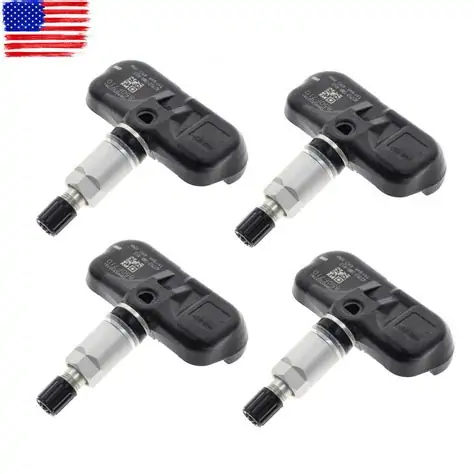
Discover the importance and functionality of TPMS sensors in Honda CR-V, common issues, and tips for effective maintenance to ensure safety and performance.The Tire Pressure Monitoring System (TPMS) sensor plays a crucial role in ensuring the safety and efficiency of your Honda CRV. As a driver, understanding how this system works and its importance can significantly enhance your driving experience. TPMS sensors monitor the air pressure in your tires, alerting you to adjustments needed for optimal performance. This blog post will delve into the fundamentals of TPMS, explore why it’s particularly vital for Honda CRV owners, and explain how the system operates. Additionally, we’ll address common issues you may encounter with your TPMS and offer tips for maintaining this vital component. Whether you’re a seasoned CRV owner or a newcomer, this guide will help you maximize the longevity and safety of your vehicle. Stay tuned to keep your tires in top shape!
What is a TPMS sensor?
A TPMS (Tire Pressure Monitoring System) sensor is a crucial component of modern vehicles, designed to monitor the air pressure in your tires in real-time. The primary function of this sensor is to alert the driver when tire pressure drops below a specified threshold, which can help prevent unsafe driving conditions and enhance overall vehicle safety.
TPMS sensors are typically located either inside the tire, mounted on the valve stem, or integrated within the wheel assembly. They transmit data wirelessly to the vehicle’s onboard computer, allowing for continuous monitoring of all tires.
Types of TPMS Sensors
- Direct TPMS: This type uses sensors on each tire to measure pressure directly. If a tire is under-inflated, the sensor will trigger a warning light on the dashboard.
- Indirect TPMS: This system does not use pressure sensors. Instead, it monitors the speed of the tires through the anti-lock braking system (ABS). If a tire’s circumference changes due to low pressure, the system infers there is a problem.
Why Use a TPMS Sensor?
By incorporating a TPMS sensor, vehicle manufacturers aim to ensure a safer driving experience. Here are some benefits:
| Benefit | Description |
|---|---|
| Enhanced Safety | Maintaining proper tire pressure reduces the risk of blowouts and improves vehicle control. |
| Fuel Efficiency | Properly inflated tires help improve fuel economy, as under-inflation can increase rolling resistance. |
| Tire Longevity | Driving on under-inflated tires can lead to uneven wear and tear, reducing the lifespan of the tires. |
In summary, understanding what a TPMS sensor is and how it works can significantly contribute to your driving safety and efficiency. Through precise tire pressure monitoring, TPMS plays a vital role in maintaining optimal vehicle performance.
Why is TPMS important for Honda CRV?
The Tire Pressure Monitoring System (TPMS) is a crucial component in modern vehicles, including the Honda CRV. Understanding its importance can help you ensure safer driving and optimal vehicle performance.
- Enhances Safety: Proper tire pressure is vital for maintaining vehicle stability and control. TPMS alerts drivers when tire pressure falls below a safe level, reducing the risk of blowouts and accidents.
- Improves Fuel Efficiency: Maintaining the correct tire pressure can enhance fuel efficiency. Under-inflated tires create more rolling resistance, causing the engine to work harder and consume more fuel. TPMS helps prevent this by notifying drivers when they need to inflate their tires.
- Prolongs Tire Life: Consistently inflated tires wear evenly, extending their lifespan. The TPMS alerts drivers to correct any pressure discrepancies, allowing for timely maintenance and reducing premature tire replacement costs.
- Environmental Benefits: Better tire pressure reduces carbon emissions. By ensuring your tires are in optimal condition, you contribute to a healthier environment while also saving money at the pump.
In summary, the TPMS is essential for the Honda CRV as it contributes to safety, fuel efficiency, tire longevity, and environmental sustainability. Keeping an eye on tire pressure not only benefits your vehicle but also enhances your overall driving experience.
How does TPMS sensor work?
The Tire Pressure Monitoring System (TPMS) is a crucial safety feature in modern vehicles, including the Honda CR-V. It monitors the air pressure in the tires and alerts the driver when the pressure falls below a safe level. Here’s a closer look at how this essential system operates:
Types of TPMS Sensors
There are two primary types of TPMS sensors:
- Direct TPMS: This type uses pressure sensors located inside each tire to measure the air pressure directly and send the data to the vehicle’s onboard computer.
- Indirect TPMS: Indirect systems do not have individual pressure sensors but instead use the vehicle’s ABS (Anti-lock Braking System) to estimate tire pressure based on wheel speed. If a tire is under-inflated, it will rotate at a different speed compared to the properly inflated tires, triggering an alert.
How Direct TPMS Operates
Direct TPMS provides accurate tire pressure readings in real-time, allowing for timely interventions before safety becomes an issue.
In a Direct TPMS, each tire has a pressure sensor that is usually mounted on the valve stem. These sensors measure the tire pressure in PSI (pounds per square inch) and transmit the data wirelessly to the car’s Electronic Control Unit (ECU). Here’s how it works:
| Step | Description |
|---|---|
| 1 | Pressure Measurement: The sensor monitors the air pressure in the tire at all times. |
| 2 | Data Transmission: When the pressure drops below a predetermined threshold, the sensor sends a signal to the ECU. |
| 3 | Warning Light Activation: The ECU triggers the TPMS warning light on the dashboard to alert the driver of low tire pressure. |
| 4 | Real-time Reporting: Some advanced systems may also report tire temperature along with pressure readings. |
How Indirect TPMS Works
For an Indirect TPMS, the system relies on the vehicle’s wheel speed sensors rather than direct pressure readings:
- The system measures the rotational speed of each wheel. A tire with low pressure will have a different circumference and thus rotate differently than fully inflated tires.
- Once a discrepancy is detected, the system calculates that one of the tires is under-inflated and activates the warning light.
While indirect systems are less precise and cannot provide exact pressure readings, they are effective in providing an early warning to the driver.
In summary, the TPMS plays a vital role in maintaining the safety and performance of your Honda CR-V. By understanding how these sensors work, you can ensure that you are more prepared to address any tire pressure issues that may arise during your driving experience.
Common TPMS issues in Honda CRV
The TPMS (Tire Pressure Monitoring System) is a crucial component in your Honda CRV, designed to alert you when tire pressure is low. However, like any system, it can encounter issues that may affect its performance. Here are some common TPMS issues you may face in your Honda CRV:
1. Faulty TPMS Sensors
Over time, the sensors can become damaged or worn out, leading to inaccurate readings. If you notice the TPMS warning light on your dashboard, it could indicate sensor failure. Regular inspection of the sensors can help catch this issue early.
2. Tire Changes and Sensor Recalibration
When you switch out tires or rotate them, the TPMS sensors may require recalibration. If they are not properly recalibrated, you may experience false alerts or an unresponsive system.
3. Battery Life of Sensors
Each TPMS sensor has a battery that generally lasts 5 to 10 years. If your vehicle is older, it’s possible that the sensors’ batteries are dying, which will necessitate replacement.
4. Interference from Other Devices
Sometimes, electronic interference from other devices can disrupt the TPMS. If you have aftermarket devices installed, they can potentially conflict with the sensor readings.
5. Low Tire Pressure
While this may seem obvious, consistently driving with low tire pressure can damage the TPMS and create additional issues. Regularly checking your tire pressure can help avoid this problem.
6. Temperature Changes
Rapid temperature fluctuations can affect tire pressure. A sudden drop in temperature may trigger the TPMS warning light, indicating that the tire pressure has dropped substantially.
7. Faulty Wiring
Electrical issues, such as faulty wiring or poor connections, can affect the performance of your TPMS. It’s essential to inspect the wiring regularly, especially if you experience inconsistent warning lights.
By being aware of these common TPMS issues in your Honda CRV, you can ensure that your maintenance routine keeps your tires safe and your system functioning properly.
How to maintain TPMS sensor in Honda CRV
The Tire Pressure Monitoring System (TPMS) sensor in your Honda CRV is a crucial component that helps ensure your vehicle’s safety and performance. Proper maintenance of the TPMS sensor can prevent issues related to tire pressure and enhance your driving experience. Here are some effective ways to maintain the TPMS sensor in your Honda CRV:
1. Regular Tire Maintenance
- Check the tire pressure monthly using a reliable tire pressure gauge.
- Ensure your tires are rotated regularly according to the manufacturer’s recommendations.
- Inspect tires for wear and damage, as these factors can affect TPMS functionality.
2. Sensor Calibration
When replacing tires or sensors, it’s important to calibrate the TPMS system. This ensures that the sensor readings are accurate. Many Honda CRV models allow you to reset the TPMS through the vehicle’s dashboard. Refer to your owner’s manual for specific instructions.
3. Battery Life
The TPMS sensors are often powered by batteries that have a limited lifespan. Keep an eye on the sensor’s performance, and if you notice any anomalies, it may be time to replace the sensor. If you experience a frequent warning light, it could indicate a battery issue.
4. Avoid Physical Damage
Be cautious when handling tires and wheels. Rough handling or hitting curbs can damage the TPMS sensor. Always use professional tire installation services to minimize risks.
5. Monitor Dashboard Alerts
Pay attention to any alerts on your dashboard. If the TPMS warning light illuminates, check your tire pressures immediately. Ignoring this warning could lead to unsafe driving conditions.
6. Close Monitoring After Tire Changes
After having your tires changed, monitor the TPMS readings closely. Sometimes, new tires may not be compatible with your existing sensors, or they may need reprogramming.
7. Use Quality Tires
Invest in high-quality tires that are compatible with your Honda CRV’s TPMS. Inferior tires may not work well with the sensor and may lead to false readings.
By following these maintenance tips, you can keep your TPMS sensor in optimal working condition and ensure a safe and smooth driving experience in your Honda CRV.
Frequently Asked Questions
What is a TPMS sensor?
A TPMS sensor, or Tire Pressure Monitoring System sensor, is a device that monitors the air pressure in your vehicle’s tires and alerts the driver if the pressure drops below a certain threshold.
Why is the TPMS sensor important for my Honda CR-V?
The TPMS sensor is crucial for ensuring safe driving conditions, improving fuel efficiency, and extending tire life. It helps prevent tires from being underinflated, which can lead to blowouts and other safety issues.
How do I know if my Honda CR-V’s TPMS sensor is malfunctioning?
Signs of a malfunctioning TPMS sensor include a warning light on the dashboard, inaccurate tire pressure readings, or the TPMS light staying on even after the tires have been properly inflated.
How can I reset the TPMS sensor in my Honda CR-V?
To reset the TPMS sensor in a Honda CR-V, you typically need to press the TPMS reset button (usually located beneath the steering column) while the vehicle is in the ‘On’ position, then drive the car for a short distance to allow the system to recalibrate.
What should I do if the TPMS light stays on after checking the tire pressures?
If the TPMS light remains on after checking and inflating your tires to the recommended pressure, it may indicate a faulty sensor or another issue that requires professional diagnostics.
Can I replace the TPMS sensor myself on my Honda CR-V?
While it’s possible to replace the TPMS sensor yourself, it’s recommended to have it done by a certified technician, especially if you’re unfamiliar with tire pressure systems, to ensure proper installation and calibration.
How often should I check my Honda CR-V’s tire pressure and TPMS system?
It’s a good practice to check your tire pressure at least once a month and before long trips. Additionally, it’s important to have the TPMS system inspected regularly during routine maintenance.