
Learn about TPMS sensors, their importance, workings, benefits, and how to choose the right one for enhanced vehicle safety and performance.In today’s fast-paced world, ensuring the safety and efficiency of your vehicle is more crucial than ever. One significant advancement in automotive technology is the Tire Pressure Monitoring System (TPMS) sensor, which plays a vital role in maintaining optimal tire performance. This blog post delves into the intricacies of TPMS sensors, explaining what they are and their importance in modern vehicles. We will explore how these sensors work and highlight the benefits of choosing Pacific TPMS sensors over other options. Additionally, we’ll provide insights on selecting the right TPMS sensor for your needs. Whether you’re a car enthusiast or a daily commuter, understanding TPMS sensors is essential for keeping your vehicle safe and efficient on the road. Let’s get started!
What is a TPMS Sensor?
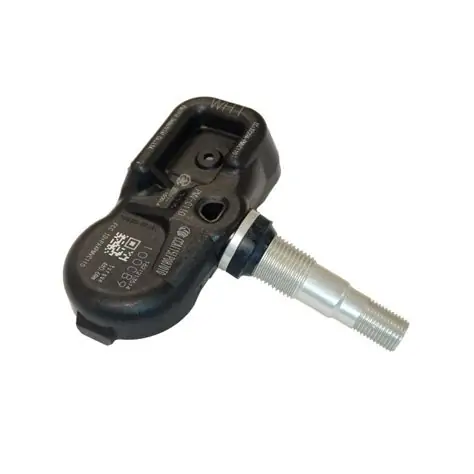
A TPMS sensor, or Tire Pressure Monitoring System sensor, is a critical component of vehicle safety that monitors the air pressure inside a vehicle’s tires in real-time. These sensors are designed to alert the driver when tire pressure falls below a specified threshold, which can lead to unsafe driving conditions or increased tire wear.
There are two main types of TPMS sensors:
- Direct TPMS: Direct sensors measure the actual pressure in each tire and transmit the data to the vehicle’s onboard computer.
- Indirect TPMS: Indirect sensors do not measure pressure directly but instead use wheel speed sensors to detect changes in tire rotation, which can indicate a loss of pressure.
TPMS sensors can be found in most modern vehicles and are mandated by law in many countries for new vehicle sales. They significantly enhance road safety by providing an essential early warning system to prevent blowouts and maintain optimal fuel efficiency.
Keeping your tires properly inflated is crucial for your vehicle’s safety and performance. – Automotive Safety Expert
In addition to safety, properly functioning TPMS sensors contribute to better fuel economy and reduce tire wear, ultimately saving money on maintenance and prolonging the lifespan of your tires.
Importance of TPMS Sensors
Tire Pressure Monitoring Systems (TPMS) are essential components in modern vehicles, playing a crucial role in ensuring safety, fuel efficiency, and overall driving performance. The importance of TPMS sensors extends beyond just monitoring tire pressure; they contribute to the well-being of both the driver and the vehicle.
1. Enhancing Safety
One of the primary functions of TPMS sensors is to enhance safety on the road. Under-inflated tires can lead to:
- Reduced traction: This can increase the likelihood of skidding, especially in wet conditions.
- Longer stopping distances: Proper tire pressure is vital for optimum braking performance.
- Tire blowouts: Driving on under-inflated tires increases the risk of tire failure, which can lead to dangerous accidents.
2. Improving Fuel Efficiency
TPMS sensors help in maintaining the proper tire pressure, which is directly linked to fuel efficiency. Properly inflated tires can improve fuel economy by:
- Minimizing rolling resistance, which means the engine doesn’t have to work as hard.
- Extending the life of the tires, saving money on replacements and maintenance.
3. Increasing Tire Longevity
Tire pressure monitoring can significantly enhance the lifespan of tires. Consistent monitoring helps in:
- Preventing uneven wear and tear, which is common with improper inflation.
- Identifying potential issues before they become severe, allowing for timely maintenance.
4. Compliance with Legal Regulations
In many regions, vehicles are required by law to be equipped with TPMS. Ensuring that your vehicle is compliant not only avoids fines but also promotes overall safety standards.
5. Providing Real-Time Data
Modern TPMS sensors offer real-time data regarding tire pressure and temperature, allowing drivers to:
- Make informed decisions about tire maintenance.
- Act promptly if a significant issue arises.
In summary, the importance of TPMS sensors cannot be overstated. By ensuring proper tire maintenance and enhancing vehicle safety, these sensors play a pivotal role in the performance and reliability of vehicles on the road.
How TPMS Sensors Work
Tire Pressure Monitoring System (TPMS) sensors play a crucial role in vehicle safety and efficiency. Understanding how TPMS sensors function can help car owners appreciate their value and ensure proper maintenance. Here’s a closer look at the workings of TPMS sensors.
Types of TPMS Sensors
There are primarily two types of TPMS sensors: direct and indirect. Each type has its own method of measuring tire pressure:
- Direct TPMS: These sensors are located inside the tire on the valve stem. They provide real-time readings of tire pressure by using a pressure sensor, a battery, and a radio frequency transmitter. The data is sent to the vehicle’s onboard computer.
- Indirect TPMS: These sensors do not measure tire pressure directly. Instead, they rely on the vehicle’s ABS (Anti-lock Braking System) to monitor the rotational speed of the tires. If a tire experiences a drop in pressure, its circumference decreases, leading to an increase in rotational speed compared to the other tires.
How Direct TPMS Sensors Work
Direct TPMS sensors are equipped with a built-in pressure gauge and wirelessly transmit data to the vehicle’s computer. This transmission occurs periodically, triggering the vehicle’s dashboard light when low tire pressure is detected. Significant components include:
| Component | Function |
|---|---|
| Pressure Sensor | Measures the tire pressure in real-time. |
| Battery | Powers the sensors, typically lasting 5-10 years. |
| Transmitter | Sends the pressure information to the vehicle’s onboard computer. |
How Indirect TPMS Sensors Work
In contrast, indirect TPMS sensors use the vehicle’s ABS system to monitor tire pressure. Here’s how they function:
- The ABS monitors each tire’s rotational speed.
- Under normal driving conditions, all tires rotate at the same speed.
- If a tire’s pressure drops, its diameter contracts, causing it to rotate faster than properly inflated tires.
- The ABS identifies this discrepancy and triggers the warning light on the dashboard.
Conclusion
Overall, understanding how TPMS sensors work — whether direct or indirect — allows vehicle owners to maintain optimal tire pressure. Regular checks can prevent tire wear, improve fuel efficiency, and enhance overall vehicle safety.
Benefits of Pacific TPMS Sensors
Tire Pressure Monitoring Systems (TPMS) play a crucial role in vehicle safety and performance. Among various TPMS options available in the market, Pacific TPMS Sensors stand out for their advanced technology and reliability. Here are some of the key benefits of using Pacific TPMS Sensors:
- Enhanced Safety: Pacific TPMS Sensors continuously monitor tire pressure and alert drivers to any deviations. This proactive feature significantly reduces the risk of tire blowouts and accidents caused by under-inflated tires.
- Real-Time Data: These sensors provide real-time data on tire pressure, allowing drivers to make informed decisions. Maintaining optimal tire pressure enhances vehicle handling and performance.
- Fuel Efficiency: Keeping tires properly inflated is critical for fuel efficiency. Pacific TPMS Sensors help maintain the correct tire pressure, which can lead to better fuel economy and reduced emissions.
- Durability: Made with high-quality materials, Pacific TPMS Sensors are designed to withstand harsh conditions. They are resistant to corrosion and can function effectively even in extreme weather.
- Easy Installation: Pacific TPMS Sensors are user-friendly and can be installed without specialized tools. This makes them a convenient choice for both professionals and DIY enthusiasts.
- Comprehensive Compatibility: These sensors are compatible with a wide range of vehicles, ensuring that almost any driver can benefit from enhanced tire monitoring.
- Cost-Effective Maintenance: By preventing tire-related issues, Pacific TPMS Sensors can save drivers money on repairs and extend the life of tires.
In conclusion, the numerous advantages of Pacific TPMS Sensors make them an essential addition to any vehicle, promoting safety, efficiency, and peace of mind for drivers.
Choosing the Right TPMS Sensor
When it comes to vehicle safety, selecting the right TPMS sensor is crucial. A Tire Pressure Monitoring System (TPMS) sensor plays a key role in keeping track of tire pressure, thereby ensuring optimal performance and safety on the road. Here are some important factors to consider when choosing the right TPMS sensor for your vehicle:
1. Compatibility
Not all TPMS sensors fit every vehicle make and model. Ensure that the sensor you choose is compatible with your vehicle. Always check the specifications provided by the manufacturer or consult a professional mechanic.
2. Type of Sensor
There are generally two types of TPMS sensors: direct and indirect. Direct TPMS sensors measure tire pressure in real-time and send information to the vehicle’s onboard computer. On the other hand, indirect TPMS sensors do not measure tire pressure directly but monitor the rotational speed of the tires to estimate pressure. Understanding the difference will help you decide which type is best suited for your vehicle.
| Type of Sensor | Description |
|---|---|
| Direct TPMS | Utilizes pressure sensors inside each tire for real-time monitoring. |
| Indirect TPMS | Calculates tire pressure through the wheel speed sensors and the ABS system. |
3. Brand Reputation
Choosing a TPMS sensor from a reputable brand is essential. Look for brands that are well-known for quality and reliability. Read reviews and seek recommendations from automotive enthusiasts or professionals.
4. Features
Modern TPMS sensors come with various features that can enhance usability. Some features you might consider include:
- Battery Life: A longer battery life means less maintenance.
- Wireless Communication: This feature allows for easier installation and maintenance.
- Real-Time Monitoring: Ensure the sensor provides real-time data for accurate readings.
5. Price
While cost should not be the only factor, it is still important. Compare prices among different brands and models, and consider the features you are getting for the price. Don’t forget that a more expensive but reliable sensor can save you money in the long run through improved safety and performance.
By considering these factors, you will be better equipped to choose the right TPMS sensor for your vehicle, ensuring safer rides and extended tire life.
Frequently Asked Questions
What is a TPMS sensor?
A TPMS (Tire Pressure Monitoring System) sensor is a device that monitors the air pressure in a vehicle’s tires and alerts the driver when the pressure falls below a certain threshold.
How does the Pacific TPMS sensor work?
The Pacific TPMS sensor works by using either a direct or indirect system to measure tire pressure. In direct systems, sensors are mounted on each tire to provide real-time pressure readings, while indirect systems use the vehicle’s ABS sensors to estimate pressure.
Why is it important to have a functioning TPMS sensor?
A functioning TPMS sensor is crucial for safe driving as it helps maintain proper tire pressure, which can improve fuel efficiency, enhance tire longevity, and reduce the risk of tire blowouts.
What are the common issues with Pacific TPMS sensors?
Common issues with Pacific TPMS sensors may include battery failure, sensor damage from road debris, and miscommunication with the vehicle’s dashboard, leading to warning lights that indicate pressure problems.
How can I maintain my TPMS sensor?
To maintain your TPMS sensor, regularly check tire pressure, ensure that the sensors are not damaged or corroded, and replace the sensor batteries as recommended by the manufacturer.
What should I do if my TPMS light is on?
If your TPMS light is on, first check the tire pressure using a gauge to see if any tires are underinflated. If they are inflated correctly and the light remains on, have the TPMS system inspected by a professional.
Where can I purchase Pacific TPMS sensors?
Pacific TPMS sensors can be purchased at automotive parts stores, online retailers, and through tire service centers that specialize in tire monitoring systems.