
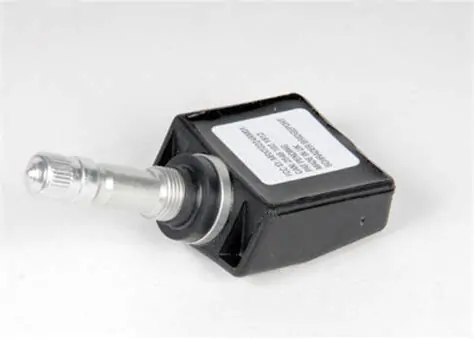
Explore the role of TPMS sensors in C5 Corvettes, common issues, replacement tips, and performance upgrades for optimal driving safety and comfort.**Understanding the C5 Corvette TPMS Sensor**
The C5 Corvette, a beloved iteration of Chevrolet’s iconic sports car, combines impressive performance with innovative technology. One such technology is the Tire Pressure Monitoring System (TPMS), which plays a crucial role in maintaining optimal driving conditions. TPMS sensors are essential for monitoring tire pressure in real-time, ensuring that drivers are alerted to any discrepancies before they become problematic. In this blog post, we will explore the intricacies of TPMS sensors in C5 Corvettes, their significance for safety and performance, common issues drivers might face, tips for replacing them, and potential upgrades to enhance their functionality. Whether you’re a seasoned C5 owner or a new enthusiast, understanding these systems can significantly improve your driving experience and the longevity of your prized vehicle. Join us as we delve into the world of TPMS sensors and their impact on your Corvette journey!
Understanding TPMS Sensors
The Tire Pressure Monitoring System (TPMS) is a critical component in modern vehicles, including the iconic C5 Corvette. These sensors are designed to monitor the air pressure inside the tires and alert the driver in case of any abnormalities.
TPMS sensors can be classified into two main types:
- Direct TPMS: These sensors measure the actual tire pressure in real time and send the data directly to the vehicle’s onboard computer.
- Indirect TPMS: Rather than measuring tire pressure, this system uses the vehicle’s ABS system to monitor the rotation speed of the tires to detect pressure differences.
In the context of C5 Corvettes, understanding the functionality of these sensors can enhance both safety and performance on the road. Here’s a brief overview of how they work:
| Sensor Type | Mechanism | Benefits |
|---|---|---|
| Direct TPMS | Measures pressure directly in each tire | Accurate, real-time data |
| Indirect TPMS | Uses wheel speed sensors to infer pressure | Lower cost and simpler installation |
When the tire pressure falls below a specific threshold, the TPMS warning light illuminates on the dashboard, signaling the driver to check the tires. This feature is particularly important for performance vehicles like the C5 Corvette, where precise tire pressure is vital for handling and stability.
Furthermore, understanding how these sensors operate helps in maintaining tire health, ensuring longevity, and improving fuel efficiency. Properly functioning TPMS sensors can contribute significantly to the overall performance of your Corvette, making them an essential part of vehicle maintenance.
Importance of TPMS in C5 Corvettes
The Tire Pressure Monitoring System (TPMS) plays a crucial role in the safety and performance of the C5 Corvette. Understanding its importance is essential for enthusiasts and everyday drivers alike.
Here are several reasons why TPMS is vital for your C5 Corvette:
- Enhanced Safety: Maintaining correct tire pressure helps prevent blowouts and loss of control, significantly enhancing your safety on the road.
- Improved Fuel Efficiency: Properly inflated tires reduce rolling resistance, leading to better fuel economy—a key consideration for any Corvette owner.
- Prolonged Tire Life: Regular monitoring of tire pressure reduces uneven wear on tires, extending their lifespan and reducing the need for premature replacements.
- Optimal Performance: For a performance vehicle like the C5 Corvette, having the right tire pressure ensures that the car performs at its best during both everyday driving and spirited handling.
- Convenience: The TPMS provides real-time alerts about tire pressure, ensuring you can address issues before they lead to serious problems.
Incorporating a well-functioning TPMS in your C5 Corvette not only enhances performance but also ensures a more enjoyable and safer driving experience. It’s a small investment in technology that pays dividends in safety, performance, and overall vehicle maintenance.
The right tire pressure is not just a suggestion; it’s a necessity for the performance and safety of your C5 Corvette. – Automotive Expert
Common TPMS Sensor Issues
The Tire Pressure Monitoring System (TPMS) is a crucial component in ensuring the safety and performance of your C5 Corvette. However, like any technology, it can face various issues that may disrupt its functionality. Below are some of the most common problems encountered with TPMS sensors in C5 Corvettes:
- Dead Battery: TPMS sensors are typically powered by batteries that have a limited lifespan. If your sensor is not functioning, it may simply be due to a dead battery.
- Faulty Sensor: Over time, TPMS sensors can become damaged or fail due to wear and tear or exposure to harsh conditions, resulting in inaccurate readings or complete sensor failure.
- Interference from Electronic Devices: Electronic devices or systems in the car can interfere with TPMS signals, causing incorrect alerts or warnings.
- Incorrect Tire Pressure Calibration: Sometimes, the TPMS might not be calibrated properly, leading to false alerts. It’s essential to ensure that your tire pressures are set correctly and that the TPMS is calibrated after tire changes.
- Corrosion or Damage to Sensors: Exposure to road salt, moisture, and debris can cause sensors to corrode or sustain physical damage. This is common in vehicles driven in harsher climates.
- Improper Installation: If TPMS sensors are not installed correctly, they may not function as intended. This can happen when tires are changed or if replacements are not done by trained professionals.
If you notice any discrepancies in your C5 Corvette’s TPMS readings, it’s essential to address these issues promptly. Regular maintenance and awareness of these common TPMS sensor issues can help ensure that your Corvette runs smoothly and safely on the road.
A well-maintained TPMS not only improves safety but also enhances the overall performance and longevity of your vehicle. – Automotive Expert
Replacing TPMS Sensors in C5 Corvettes
The TPMS (Tire Pressure Monitoring System) sensors in your C5 Corvette play a crucial role in ensuring the safety and performance of your vehicle. Over time, these sensors may need to be replaced due to wear, battery depletion, or malfunction. Here’s a detailed guide on how to replace the TPMS sensors in your C5 Corvette.
Why Replace TPMS Sensors?
The reasons for replacing TPMS sensors include:
- Battery failure: The internal battery typically lasts about 5-10 years.
- Sensor damage: External forces or debris can physically damage the sensor.
- Incorrect readings: If the sensor consistently gives false readings, replacement is necessary.
Tools Required for Replacement
Before starting the replacement process, gather the following tools:
- Socket wrench
- Tire iron
- TPMS activation tool
- Replacement TPMS sensors
Step-by-Step Replacement Process
Follow these steps to replace the TPMS sensors in your C5 Corvette:
- Safety First: Park the vehicle on a flat surface, engage the parking brake, and gather all tools.
- Remove the Tire: Using the tire iron, loosen the lug nuts and remove the tire where the TPMS sensor needs replacement.
- Remove the Old Sensor: Locate the TPMS sensor on the inner side of the tire. Disconnect it carefully.
- Install New Sensor: Place the new TPMS sensor in the same location and secure it as you did with the old one.
- Reattach the Tire: Put the tire back on the wheel hub and tighten the lug nuts.
- Activate the Sensor: Use the TPMS activation tool to sync the new sensor with the vehicle’s system.
Testing the New Sensors
After replacing the sensors, it’s important to test their functionality:
- Start the vehicle and check for any warning lights regarding tire pressure.
- Drive the vehicle at a low speed to ensure that the TPMS system recognizes the new sensors. If the dashboard light remains illuminated, recheck the installation.
Replacing the TPMS sensors in your C5 Corvette can help improve the longevity and efficiency of your tire management system. Regular maintenance and timely replacements will enhance safety and performance on the road.
Upgrading TPMS Sensors for Better Performance
Upgrading the TPMS sensors on your C5 Corvette can significantly enhance both safety and performance. The Tire Pressure Monitoring System (TPMS) is a critical component that ensures you’re always informed about your tire conditions, helping you maintain optimal tire pressure for better handling and fuel efficiency.
Here are several key reasons to consider upgrading your TPMS sensors:
- Improved Accuracy: Newer sensors can provide more accurate tire pressure readings, ensuring you’re always aware of the current state of your tires.
- Enhanced Durability: Upgraded sensors are often built with better materials that can withstand harsher conditions, reducing the likelihood of failure.
- Advanced Features: Some modern TPMS sensors come with additional features, such as temperature monitoring and faster response times.
- Compatibility: New TPMS sensors may offer improved compatibility with aftermarket tire and wheel setups, making them more versatile for upgrades.
When considering an upgrade, here are a few options:
| Sensor Type | Features | Price Range |
|---|---|---|
| Standard TPMS Sensors | Basic monitoring, battery operated | $50 – $100 |
| Programmable TPMS Sensors | Customizable for different vehicles, high accuracy | $75 – $150 |
| Wireless TPMS Sensors | Real-time monitoring via smartphone app | $100 – $200 |
Before making a decision, consider the following:
Investing in high-quality TPMS sensors can save you money in the long run, preventing tire damage and improving fuel efficiency.
Ultimately, upgrading your C5 Corvette’s TPMS sensors not only boosts your vehicle’s performance but also enhances safety, making it a worthwhile investment in your driving experience.
Frequently Asked Questions
What is a TPMS sensor in the C5 Corvette?
The TPMS (Tire Pressure Monitoring System) sensor in the C5 Corvette is a device that monitors the air pressure in the tires and alerts the driver if the pressure falls below a predetermined threshold.
How does the TPMS sensor work in the C5 Corvette?
The TPMS sensor uses pressure sensors mounted inside each tire to check the tire pressure. If it detects a significant drop in pressure, it sends a signal to the car’s onboard computer, which triggers a warning light on the dashboard.
What are the common symptoms of a faulty TPMS sensor in a C5 Corvette?
Common symptoms of a faulty TPMS sensor include a warning light on the dashboard, inaccurate tire pressure readings, and difficulty resetting the TPMS system after tire rotation or replacement.
Can I drive my C5 Corvette if the TPMS light is on?
It’s not advisable to drive your C5 Corvette with the TPMS light on, as it indicates that one or more tires may be under-inflated. Driving with low tire pressure can lead to poor handling, increased tire wear, and potential tire failure.
How do I reset the TPMS sensor in my C5 Corvette?
To reset the TPMS sensor in a C5 Corvette, typically, you would need to inflate the tires to the recommended pressure, then turn the ignition to the ‘ON’ position without starting the engine, and press the TPMS reset button (if equipped) or follow the specific reset procedure in the owner’s manual.
How often should I check the TPMS sensor in my C5 Corvette?
It’s recommended to check the condition and functionality of your TPMS sensors during regular maintenance intervals, including whenever you change your tires, or when the seasons change and temperatures fluctuate significantly.
Are TPMS sensors in the C5 Corvette interchangeable with other models?
TPMS sensors are generally model-specific, so it’s crucial to use the correct sensors designed for the C5 Corvette. Interchanging them with sensors from other vehicles may result in compatibility issues and incorrect tire pressure readings.