
Learn about TPMS sensors, their importance, reset process, common issues, and the benefits of regular maintenance for optimal vehicle safety and performance.If you own a 2013 Honda Civic, understanding the Tire Pressure Monitoring System (TPMS) is essential for maintaining optimal driving safety and performance. TPMS sensors are crucial for alerting you about changes in tire pressure, but what happens when these sensors need resetting? This blog post delves into the importance of resetting your TPMS sensor and provides a comprehensive step-by-step guide to help you through the process. We will also explore common issues you may encounter with your TPMS and the benefits of regular maintenance. By giving your Honda Civic the attention it deserves, you can ensure a safer and more efficient driving experience. Let’s dive into the essential aspects of TPMS sensors and the vital role they play in your vehicle’s overall performance.
Understanding TPMS Sensors
The Tire Pressure Monitoring System (TPMS) is a crucial safety feature in modern vehicles, including the 2013 Honda Civic. It provides real-time data about the air pressure in your tires, helping to ensure safe driving conditions. TPMS sensors play an essential role in this system by detecting and alerting the driver of any significant variations in tire pressure.
What are TPMS Sensors?
TPMS sensors are small devices attached to the tires that measure the air pressure and, in some cases, the temperature. There are two main types of TPMS:
- Direct TPMS: This system uses pressure sensors mounted inside each tire that directly measure the air pressure and send data to the vehicle’s onboard computer.
- Indirect TPMS: This system uses the vehicle’s ABS (Anti-lock Braking System) to monitor wheel speed. A tire that is underinflated will have a different rotation speed compared to properly inflated tires, indicating a potential problem.
Importance of TPMS Sensors
Understanding the role of TPMS sensors is vital for vehicle owners. Here are some key points illustrating their importance:
- Enhanced Safety: Correct tire pressure reduces the risk of blowouts and accidents.
- Improved Fuel Efficiency: Properly inflated tires can lead to better fuel consumption, saving you money.
- Extended Tire Life: Monitoring tire pressure helps in preventing uneven wear, thereby extending the lifespan of your tires.
- Environmental Impact: Well-maintained tires contribute to lower carbon emissions.
In summary, TPMS sensors are vital components that enhance safety, efficiency, and performance in vehicles. Understanding how they work and their significance ensures that drivers take the necessary steps to maintain their tires properly.
Importance of TPMS Sensor Reset
The Tire Pressure Monitoring System (TPMS) is a crucial safety feature in modern vehicles, including the 2013 Honda Civic. It continuously monitors the air pressure in your tires and alerts you when it drops below a safe level. However, there are instances when the TPMS sensor reset becomes necessary, especially after tire rotations, replacements, or pressure adjustments.
Understanding the importance of resetting the TPMS sensor is key to maintaining not just your vehicle’s performance but also your safety on the road. Here are several reasons why this process should not be overlooked:
- Enhanced Safety: Proper tire pressure is essential for optimal traction and handling, reducing the risk of accidents.
- Fuel Efficiency: Incorrect tire pressure can lead to increased rolling resistance, resulting in poor fuel economy.
- Prolonged Tire Life: Regularly resetting your TPMS sensor ensures that tires wear evenly, extending their lifespan and saving you money.
- Avoiding Dashboard Warnings: Failing to reset the TPMS after making tire changes may cause annoying alerts on your dashboard, distracting you while driving.
In summary, the TPMS sensor reset is a vital maintenance task that enhances vehicle safety, efficiency, and longevity. Keeping your TPMS in check not only ensures a smooth driving experience but also contributes to overall road safety for you and other drivers.
Step-by-Step Reset Process
Resetting the TPMS (Tire Pressure Monitoring System) sensor on a 2013 Honda Civic can be essential for maintaining the vehicle’s safety and performance. Here is a step-by-step guide to help you through the process:
- Check Tire Pressure: Before resetting the TPMS, ensure that all four tires are inflated to the recommended pressure. The correct tire pressure can usually be found on the driver’s side door jamb.
- Turn on the Ignition: Insert the key into the ignition and turn it to the “On” position, but do not start the engine. This allows the electrical components to power up.
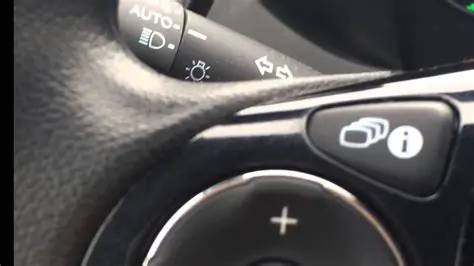
- Locate the TPMS Reset Button: The TPMS reset button is typically located under the steering wheel or on the dashboard. Consult the owner’s manual if you have trouble finding it.
- Press and Hold the TPMS Reset Button: Press and hold the reset button until the TPMS indicator light on the dashboard blinks three times and then turns off. This may take about 3-5 seconds.
- Start the Engine: After releasing the reset button, start the engine and let it run for a few minutes. This allows the system to recalibrate.
- Check for Warning Lights: After driving for a short distance, check to see if the TPMS warning light on the dashboard has turned off. If the light remains on, repeat the process.
Always remember that if you continuously experience issues with your TPMS sensors, it’s advisable to consult a professional mechanic. They can perform a thorough diagnostic to identify any underlying problems.
Common TPMS Issues
The Tire Pressure Monitoring System (TPMS) is a crucial component in modern vehicles, including the 2013 Honda Civic. However, like any system, it can encounter various issues. Understanding these common problems can help you address them promptly and maintain your vehicle’s safety and performance.
| Issue | Description | Possible Causes |
|---|---|---|
| Illuminated Warning Light | The TPMS warning light on the dashboard remains lit. |
|
| Frequent Warning Signals | You receive repeated warnings about tire pressure. |
|
| Inaccurate Tire Pressure Readings | The readings displayed are inconsistent or incorrect. |
|
| Reset Failure | After adjusting tire pressures, the system doesn’t reset. |
|
Addressing these TPMS issues promptly can ensure your safety on the road. Regularly inspecting your tires and maintaining your TPMS is essential for optimal vehicle performance.
Benefits of Regular TPMS Maintenance
Maintaining the Tire Pressure Monitoring System (TPMS) in your vehicle, particularly for models like the 2013 Honda Civic, is crucial for ensuring safety, efficiency, and optimum vehicle performance. Here are some key benefits associated with regular TPMS maintenance:
- Enhanced Safety: Regular maintenance of your TPMS helps ensure that all sensors are functioning correctly. Proper tire pressure promotes better grip, handling, and stability, significantly reducing the risk of tire blowouts and accidents.
- Improved Fuel Efficiency: When tires are inflated to the recommended pressure, it reduces rolling resistance, which can lead to better fuel efficiency. A well-maintained TPMS helps identify under-inflated tires, saving you money at the pump.
- Extended Tire Life: Regularly checking and maintaining the TPMS can help prolong the life of your tires. Maintaining the correct tire pressure minimizes uneven wear and tear, allowing your tires to perform better for a longer period.
- Early Problem Detection: A properly functioning TPMS can alert you to potential issues before they become serious problems. This early detection can save you on costly repairs in the long run.
- Improved Driving Comfort: Well-maintained tires ensure a smoother ride. When tire pressure is optimal, it reduces vibrations and noise, leading to a more comfortable driving experience.
In addition, periodic checks and resets of the TPMS can help maintain its accuracy. Remember to consult your vehicle’s manual or a professional mechanic for specific guidance on how to keep your 2013 Honda Civic TPMS in top condition.
Frequently Asked Questions
What is the TPMS sensor in a 2013 Honda Civic?
The TPMS (Tire Pressure Monitoring System) sensor in a 2013 Honda Civic monitors the air pressure in the tires to ensure they are properly inflated for safe driving.
Why would I need to reset the TPMS sensor?
You may need to reset the TPMS sensor after changing a tire, rotating tires, or if the TPMS warning light is illuminated on your dashboard, indicating low tire pressure.
How do I manually reset the TPMS sensor in my 2013 Honda Civic?
To manually reset the TPMS sensor, turn on the ignition without starting the engine, press and hold the TPMS reset button located under the steering column until the TPMS light blinks three times, then release the button.
Is there a specific sequence to follow when resetting the TPMS sensor?
Yes, ensure that all tires are inflated to the recommended pressure before resetting the TPMS sensor. After inflating, follow the manual reset procedure as mentioned.
What should I do if the TPMS light does not turn off after resetting?
If the TPMS light does not turn off, check for leaks or damage in the tires and ensure they are properly inflated. If issues persist, consult a professional mechanic.
Can I use a TPMS scanner to reset the sensor?
Yes, a TPMS scanner can facilitate resetting the TPMS sensor. Connect the scanner to the OBD-II port and follow its instructions to reset the TPMS.
How often should I check the TPMS system in my 2013 Honda Civic?
It is recommended to check the TPMS system at least once a month and before long trips to ensure that all tires are adequately inflated and the system is functioning correctly.