
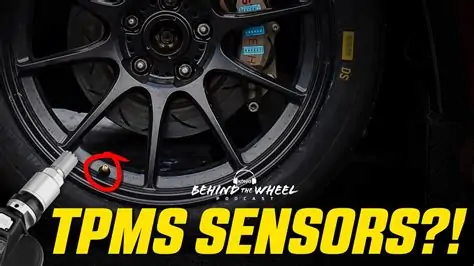
Are you curious about Tire Pressure Monitoring System (TPMS) sensors and their role in vehicle safety? As a vital component of modern automobiles, TPMS sensors help to monitor tire pressure and alert drivers when it falls below a safe level. In this blog post, we’ll explore what TPMS sensors are, their importance, and how they work. We’ll also address the question many drivers have: Do I truly need TPMS sensors for my vehicle? Finally, we’ll discuss the numerous benefits these sensors provide for both safety and performance. Whether you’re a seasoned driver or a newcomer to the roads, understanding TPMS sensors can significantly enhance your driving experience and keep you safe. Let’s dive in!
What are TPMS sensors?
TPMS stands for Tire Pressure Monitoring System. It is an electronic system designed to monitor the air pressure inside the tires of a vehicle. The primary purpose of TPMS sensors is to provide real-time feedback regarding the tire pressure to the driver, ensuring that they can maintain optimal tire inflation levels.
There are two main types of TPMS sensors: direct and indirect. Each type has its own method of monitoring tire pressure:
- Direct TPMS: These sensors are mounted on the tire valves and measure the actual tire pressure in each tire. When the pressure falls below a predetermined level, the system alerts the driver through a warning light on the dashboard.
- Indirect TPMS: This type does not measure tire pressure directly. Instead, it uses data from the vehicle’s ABS (Anti-lock Braking System) to calculate tire pressure based on the wheel’s rotational speed. If a tire is under-inflated, it will spin faster than the others, triggering a warning.
Understanding TPMS sensors is essential for maintaining your vehicle’s safety and performance. By monitoring tire pressure, these sensors help increase fuel efficiency, extend tire lifespan, and reduce the risk of tire blowouts, contributing to better overall driving experience.
Importance of TPMS sensors
Tire Pressure Monitoring System (TPMS) sensors play a crucial role in ensuring the safety and performance of your vehicle. These sensors monitor tire pressure in real time and alert the driver when the pressure is too low, which can significantly decrease the risk of accidents.
Why Are TPMS Sensors Important?
- Safety Enhancement: Maintaining the correct tire pressure is essential for safe driving. Under-inflated tires can lead to loss of control, increased braking distances, and higher risks of tire blowouts.
- Fuel Efficiency: Properly inflated tires improve fuel efficiency. When tires are at the recommended pressure, the vehicle’s fuel consumption is optimized.
- Prolonged Tire Life: Frequent monitoring can help extend the lifespan of your tires. Proper inflation prevents uneven tire wear, saving you money in the long run.
- Environmental Impact: Driving with under-inflated tires can increase a vehicle’s carbon footprint. By using TPMS, you’re contributing to a more sustainable environment.
Key Benefits of TPMS Sensors
| Benefit | Description |
|---|---|
| Real-Time Monitoring | TPMS sensors provide real-time data about tire pressure, allowing drivers to take immediate action. |
| Alerts for Issues | Alerts when tire pressure drops below a safe threshold, enhancing driver awareness. |
| Cost Savings | Reduces the risk of expensive tire repairs or replacements because of neglect. |
“Regularly checking tire pressure and maintaining TPMS systems can save lives and reduce vehicle maintenance costs.”
In conclusion, TPMS sensors are not just an accessory; they are a vital component of vehicle safety and efficiency. Ensuring that your vehicle is equipped with functional TPMS sensors is a wise decision for every driver.
How do TPMS sensors work?
The Tire Pressure Monitoring System (TPMS) is an essential component in modern vehicles that enhances safety and efficiency by continuously monitoring tire pressure. Understanding how TPMS sensors work can help you appreciate their importance in maintaining vehicle performance and ensuring your safety on the road.
Types of TPMS Sensors
There are two main types of TPMS sensors:
- Direct TPMS – These sensors are mounted on the valve stem of each tire and measure the actual tire pressure using a pressure sensor. They send this data directly to the vehicle’s onboard computer.
- Indirect TPMS – Instead of measuring tire pressure directly, these systems use the vehicle’s Anti-lock Brake System (ABS) to gauge tire pressure by monitoring wheel speed. If a tire is under-inflated, it will rotate at a different speed compared to properly inflated tires.
How Direct TPMS Works
Direct TPMS sensors work using the following process:
- Pressure Measurement: Each tire is equipped with a pressure sensor that detects the tire’s air pressure. When the pressure drops below a certain threshold, the sensor triggers a signal.
- Transmission of Data: The sensor sends a radio signal to the vehicle’s onboard computer, reporting the current pressure of the tire.
- Alerting the Driver: If the tire pressure is below the recommended level, a warning light appears on the dashboard, alerting the driver to check tire pressures and inflate them as necessary.
How Indirect TPMS Works
Indirect TPMS relies on wheel speed sensors for its operation:
- Monitoring Wheel Speed: The ABS system monitors the rotation speed of each wheel. If one tire is under-inflated, it will rotate faster compared to the others.
- Differential Calculation: The onboard computer analyzes the data. When it detects significant differences in rotation speeds among the tires, it interprets this as a sign of low tire pressure.
- Warning Signal: Similar to direct TPMS, the system will trigger a dashboard warning light to alert the driver of a potential tire issue.
Benefits of Knowing How TPMS Works
Understanding how TPMS sensors work can offer several benefits:
- Increased safety by preventing blowouts and improving handling due to properly inflated tires.
- Enhanced fuel efficiency, as properly inflated tires reduce rolling resistance.
- Extended tire life, as consistent tire pressure helps maintain tire integrity and performance.
In summary, TPMS sensors play a vital role in vehicle safety and performance. Whether direct or indirect, these systems provide real-time data, ensuring that drivers stay informed about their tire conditions.
Do I need TPMS sensors?
In today’s world of automotive safety, the question of whether you need TPMS sensors has become increasingly relevant. Tire Pressure Monitoring Systems (TPMS) are essential components that help maintain the optimal performance and safety of your vehicle. Below, we explore why having TPMS sensors is crucial for both your safety and the efficiency of your vehicle.
Understanding the Importance of TPMS Sensors
TPMS sensors play a vital role in monitoring the air pressure of your tires. Here are some reasons why you should consider having them:
- Safety: Maintaining proper tire pressure minimizes the risk of tire blowouts, enhancing your safety on the road.
- Fuel Efficiency: Properly inflated tires improve fuel efficiency, saving you money on gas in the long run.
- Tire Longevity: TPMS sensors alert you to low tire pressure, allowing you to address issues before they lead to significant tire wear or damage.
Legal Regulations
In many countries, it is mandatory for vehicles to be equipped with TPMS. Failing to comply with these regulations can lead to fines and increased insurance costs. It’s important to check local regulations to ensure you are compliant.
Monitoring Performance
With the integration of TPMS sensors, you receive real-time data about your tire pressure. Some advanced systems can even connect to your smartphone or vehicle dashboard, providing alerts and diagnostics. This technology allows you to:
- Stay informed: Real-time monitoring helps detect problems early.
- Optimize performance: Always drive with tires that are correctly inflated, ensuring better handling and control.
Financial Implications
Investing in TPMS sensors could save you money in other areas:
| Benefit | Potential Savings |
|---|---|
| Increased fuel efficiency | 5-10% savings on fuel costs |
| Extended tire lifespan | Save on premature tire replacements |
| Reduced accident risk | Lower insurance premiums |
In summary, the question isn’t just “Do I need TPMS sensors?” but rather “Can I afford not to have them?” The safety, efficiency, and potential cost savings provided by TPMS sensors make the
Benefits of having TPMS sensors
Having TPMS sensors (Tire Pressure Monitoring System) in your vehicle comes with a multitude of benefits that enhance driving safety and performance. Here are some of the key advantages:
- Improved Safety: TPMS sensors alert you when your tire pressure is too low, reducing the risk of blowouts and accidents caused by flat tires.
- Enhanced Fuel Efficiency: Proper tire pressure leads to better fuel economy. TPMS helps ensure your tires are inflated appropriately, saving you money at the pump.
- Extended Tire Life: Consistently maintaining the right tire pressure minimizes wear and tear on your tires, helping them last longer and reducing replacement costs.
- Increased Vehicle Performance: Correct tire pressure leads to optimal handling and stability, allowing for a more responsive and enjoyable driving experience.
- Real-time Monitoring: Most TPMS sensors provide real-time data, allowing you to keep an eye on your tire pressure at all times without manual checks.
- Environmentally Friendly: By ensuring tires are properly inflated, you contribute to reduced CO2 emissions and lower fuel consumption, making your driving habits more sustainable.
Incorporating TPMS sensors into your vehicle is not just a technological upgrade; it’s a proactive step towards ensuring your own safety and that of others on the road. With the numerous advantages they offer, it’s clear that TPMS sensors are indeed essential for modern vehicles.
Frequently Asked Questions
What are TPMS sensors?
TPMS sensors, or Tire Pressure Monitoring System sensors, are devices used in vehicles to monitor the air pressure in tires and alert the driver if the pressure is too low.
Why are TPMS sensors important?
TPMS sensors are important because they help maintain proper tire pressure, which is crucial for safe driving, improved fuel efficiency, and longer tire life.
Do all vehicles come with TPMS sensors?
Yes, all vehicles manufactured after 2007 in the United States are required to have TPMS sensors installed as a standard safety feature.
How do I know if my vehicle has TPMS sensors?
You can check if your vehicle has TPMS sensors by looking for the TPMS light on your dashboard or checking the vehicle’s owner’s manual.
What happens if my TPMS sensors are not functioning?
If your TPMS sensors are not functioning, you may not receive alerts for low tire pressure, which can lead to unsafe driving conditions and potential tire damage.
Can I drive without TPMS sensors?
While it’s technically possible to drive without TPMS sensors, it’s not advisable as it compromises tire safety and can lead to increased wear and tear on your tires.
How do I maintain my TPMS sensors?
To maintain your TPMS sensors, ensure your tires are regularly inflated to the correct pressure, and have the sensors checked during routine vehicle maintenance.