
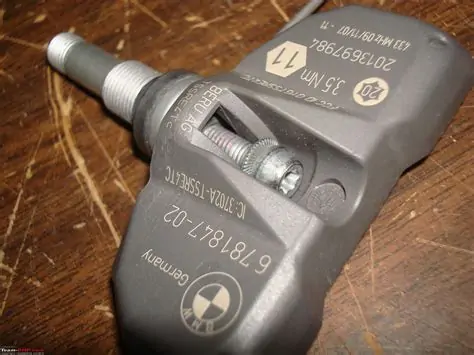
Learn about TPMS sensors, their importance, common issues, maintenance tips, and upgrading options to ensure optimal vehicle safety and performance.When it comes to maintaining your BMW, few components are as crucial as the Tire Pressure Monitoring System (TPMS) sensor. This seemingly small device plays a vital role in ensuring your vehicle’s safety and performance by continuously monitoring tire pressure and alerting you to any abnormalities. In this blog post, we’ll dive into the fundamentals of TPMS sensors, highlighting their importance in vehicle safety, the common issues that drivers may encounter, and practical tips for maintenance. Additionally, we’ll explore the benefits of upgrading your TPMS sensor, ensuring you have the best technology at your fingertips. Whether you’re a seasoned BMW owner or new to the brand, understanding TPMS sensors is essential for a smooth and safe driving experience.
What is a TPMS Sensor?
A Tire Pressure Monitoring System (TPMS) sensor is a critical component in modern vehicles, including BMW models, designed to monitor the air pressure inside the tires. This innovative technology helps ensure that each tire is properly inflated, thereby enhancing safety, fuel efficiency, and overall vehicle performance.
The TPMS sensor continuously checks tire pressure and alerts the driver if any tire is significantly under-inflated. An under-inflated tire can lead to various issues, including:
- Decreased Fuel Efficiency: Low tire pressure increases rolling resistance, causing the engine to use more fuel.
- Increased Tire Wear: Improperly inflated tires wear out more quickly, leading to costly replacements.
- Safety Risks: Under-inflated tires can affect vehicle handling and increase the risk of blowouts.
Consumers driving a BMW will find that their vehicles are equipped with advanced TPMS systems, which use sensors to monitor tire pressure and transmit this information to the vehicle’s onboard computer. It is crucial for drivers to pay attention to any warning lights indicating low tire pressure, as this could prevent potential accidents and expensive repairs.
In essence, a TPMS sensor acts like a guardian for your tires, ensuring that they remain in optimal condition for safe driving experiences.
Importance of TPMS Sensors
The Tire Pressure Monitoring System (TPMS) sensors play a crucial role in vehicle safety and performance, particularly in luxury models like the BMW. Here are several reasons highlighting the importance of TPMS sensors:
- Enhanced Safety: TPMS sensors help maintain the correct tire pressure, reducing the risk of tire blowouts and enhancing overall vehicle safety.
- Improved Fuel Efficiency: Properly inflated tires lead to better fuel consumption. Under-inflated tires can increase rolling resistance, causing your vehicle to use more fuel.
- Prolonged Tire Life: Maintaining appropriate tire pressure can prevent uneven wear and extend the lifespan of your tires.
- Alert Mechanism: TPMS sensors provide real-time information about tire pressure, alerting drivers to potential issues before they escalate, allowing for timely repairs or adjustments.
- Regulatory Compliance: Many regions have regulations mandating the use of TPMS in vehicles, ensuring that manufacturers and drivers prioritize tire safety.
In luxury vehicles like BMW, the integration of TPMS technology not only aids in vehicle performance but also adds an extra layer of convenience for the driver. Each sensor monitors the tire’s air pressure and sends this data to the vehicle’s onboard computer system, ensuring that any anomaly is promptly reported.
Comparison of TPMS Types
| TPMS Type | Description | Advantages |
|---|---|---|
| Direct TPMS | Uses sensors mounted on each tire to provide actual tire pressure readings. | High accuracy and real-time data. |
| Indirect TPMS | Relies on the vehicle’s ABS system to estimate tire pressure based on wheel rotation speed. | Less expensive and easier to install. |
In conclusion, the importance of TPMS sensors cannot be overstated for any vehicle owner, especially for BMW enthusiasts who value both safety and performance on the road.
Common TPMS Sensor Issues
The Tire Pressure Monitoring System (TPMS) is an essential component in maintaining vehicle safety and performance. However, like any other system, TPMS sensors can encounter issues that may compromise their functionality. Here are some of the most common problems associated with TPMS sensors:
| Issue | Description |
|---|---|
| Low Battery | The battery inside the TPMS sensor may eventually lose its charge, leading to malfunction. |
| Faulty Sensor | Physical damage or wear can render sensors ineffective, providing false readings or no readings at all. |
| Improper Installation | If sensors are not installed correctly, it can lead to miscommunication with the vehicle’s computer system. |
| Interference | Electrical interference from other devices can disrupt the TPMS signal, causing warning lights to activate. |
| Tire Changes | Changing tires without resetting the TPMS can lead to sensor issues, as they may not recognize new tires. |
| Temperature Changes | Significant changes in temperature can affect tire pressure and cause the TPMS to display incorrect information. |
When experiencing issues with your TPMS, it’s crucial to diagnose and address the problem promptly. Regular maintenance and awareness of these common issues can ensure that your BMW remains safe and efficient on the road.
How to Maintain TPMS Sensors
The Tire Pressure Monitoring System (TPMS) is an essential component in modern vehicles, helping ensure that tire pressures are maintained at safe levels. Proper maintenance of these sensors is crucial for their longevity and effective operation. Here’s how you can maintain TPMS sensors in your vehicle:
1. Regular Inspections
- Check tire pressure regularly using a reliable pressure gauge.
- Inspect the TPMS sensors for any visible damage or dirt accumulation.
2. Monitor Warning Lights
If the TPMS warning light illuminates on your dashboard, it’s essential to address the issue immediately. This could signify low tire pressure or a malfunctioning sensor. Prompt attention can prevent further complications.
3. Keep Tires Properly Inflated
Ensure that your tires are inflated to the manufacturer’s recommended pressure. Under-inflated or over-inflated tires can lead to premature TPMS sensor failure.
4. Use Correct Tires
When replacing tires, ensure that they are TPMS compatible. Some aftermarket tires might not be compatible with existing sensors, leading to malfunctions.
5. Professional Servicing
It’s advisable to have a professional service your TPMS sensors during routine vehicle maintenance. Experts can recalibrate or replace malfunctioning sensors to ensure optimal performance.
6. Battery Considerations
If you have sensor batteries in your TPMS setup, be aware that they may need to be changed every few years. Check the manufacturer’s guidelines for battery life and maintenance schedules.
7. Avoid Harsh Conditions
Try to minimize exposure to extreme weather conditions, which can adversely affect sensor performance. If possible, park your vehicle in a garage or covered space during harsh weather.
8. Clean Your Wheels
When washing your vehicle, pay attention to the wheels. Remove any brake dust or debris around the TPMS sensors, as buildup can interfere with their operation.
By following these maintenance tips, you can ensure that your TPMS sensors remain functional and effective, contributing to your safety on the road.
Upgrading TPMS Sensors
Upgrading your TPMS sensors can significantly enhance the safety and efficiency of your vehicle, especially for brands like BMW. Here are some key points to consider when upgrading your sensors:
Why Upgrade Your TPMS Sensors?
- Enhanced Accuracy: Newer models of TPMS sensors provide improved accuracy in monitoring tire pressure, ensuring better performance.
- Increased Longevity: Upgrading can lead to longer-lasting sensors, minimizing the need for frequent replacements.
- Advanced Features: Modern sensors often come equipped with additional features such as temperature monitoring and real-time alerts, providing a more comprehensive safety system.
- Compatibility: Ensure that new sensors are compatible with the specific model of your BMW for optimal performance.
Choosing the Right TPMS Sensors
When selecting TPMS sensors for your BMW, consider the following:
| Sensor Type | Advantages | Considerations |
|---|---|---|
| Direct TPMS | Provides accurate direct pressure readings. | Requires a battery and may be more costly. |
| Indirect TPMS | Uses wheel speed sensors to estimate pressure. | Less accurate than direct systems. |
Installation Process
Upgrading your TPMS sensors can be a straightforward process:
- Remove Old Sensors: Safely detach the current sensors from your tire valves.
- Install New Sensors: Attach the new sensors securely to the tire valves.
- Recalibrate the System: Ensure that your vehicle’s onboard system recognizes the new sensors.
- Test Functionality: Check that the sensors are functioning correctly by verifying tire pressure readings.
Maintenance Tips
To ensure optimal performance of your upgraded TPMS sensors, follow these maintenance tips:
Regularly check tire pressure manually, even if you have a TPMS system. This helps catch any discrepancies early.
- Monitor Battery Life: Keep track of the sensor battery life and replace when necessary.
- Avoid Damage: Be cautious when rotating or changing tires to prevent damaging sensors.
- Check for Updates: Some advanced TPMS systems may require software updates for optimal performance.
Upgrading your TPMS sensors can greatly improve the safety and efficiency of your BMW. Always consult with a professional to ensure proper installation and compatibility with your vehicle.
Frequently Asked Questions
What is a TPMS sensor and how does it work in a BMW?
A TPMS (Tire Pressure Monitoring System) sensor is a device in BMW vehicles that monitors the air pressure in each tire. It works by using sensors inside the tire to measure the pressure and sends this data to the vehicle’s onboard computer, alerting the driver if the pressure is too low.
Why is it important to have a functioning TPMS sensor in my BMW?
Having a functioning TPMS sensor is crucial for safety and performance. It helps prevent blowouts caused by underinflated tires and promotes better fuel efficiency. Additionally, proper tire pressure contributes to improved handling and tire lifespan.
How can I tell if my TPMS sensor is malfunctioning?
Signs of a malfunctioning TPMS sensor include the TPMS warning light on your dashboard illuminating, irregular tire pressures indicated on the display, and frequent activation of the warning light despite proper tire inflation.
What should I do if my TPMS warning light comes on?
If your TPMS warning light comes on, first check the tire pressures of all tires, including the spare. If the pressures are normal and the light remains on, the TPMS sensors may need to be reset or replaced.
How do I reset the TPMS sensor in my BMW?
To reset the TPMS sensor in your BMW, locate the reset button (usually found beneath the steering wheel or in the glove compartment) and hold it until the TPMS light blinks three times, then release it. Alternatively, you may need to use the vehicle’s onboard computer to initiate a reset.
Can I drive my BMW if the TPMS sensor is broken?
While you can drive your BMW with a broken TPMS sensor, it is not recommended because you will not receive alerts about low tire pressure. This could increase the risk of tire failure and compromise your safety on the road.
How often should I check the TPMS sensors in my BMW?
It is advisable to check your TPMS sensors regularly as part of routine vehicle maintenance, especially before long trips. Additionally, you should inspect tire pressures at least once a month and before significant journeys.