
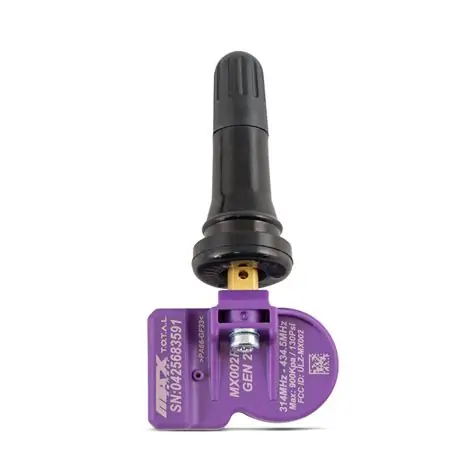
Explore TPMS sensors: their importance, choosing for aftermarket wheels, installation process, and the benefits of upgrading for enhanced vehicle safety and performance.When it comes to enhancing your vehicle’s performance and style, opting for aftermarket wheels is a popular choice among car enthusiasts. However, integrating Tire Pressure Monitoring System (TPMS) sensors with these new wheels is crucial for maintaining safety and vehicle integrity. In this blog post, we’ll delve into the essentials of understanding TPMS sensors, uncovering their importance in tire maintenance and overall vehicle safety. We’ll guide you through the process of choosing the right TPMS sensors for your aftermarket wheels and provide step-by-step instructions for their installation. Finally, we’ll explore the significant benefits of upgrading your TPMS sensors, ensuring you make informed decisions that enhance your driving experience. Whether you’re a veteran auto enthusiast or a newcomer, this guide aims to equip you with the knowledge needed for a seamless transition to aftermarket wheels.
Understanding TPMS Sensors
The Tire Pressure Monitoring System (TPMS) serves as a critical safety feature in modern vehicles, designed to alert drivers when tire pressure is below the manufacturer’s recommended levels. Understanding how TPMS sensors function can help you maintain optimal tire health and improve vehicle performance.
There are two main types of TPMS sensors: direct and indirect.
| Type of TPMS | Description | Advantages |
|---|---|---|
| Direct TPMS | Utilizes pressure sensors placed within each tire. | – Provides accurate tire pressure readings- Can alert you to rapid deflation |
| Indirect TPMS | Estimates tire pressure based on wheel speed and draws data from the ABS system. | – Requires no physical sensors- Often less expensive to replace |
Direct TPMS sensors are usually more accurate because they measure tire pressure directly. However, if you are using aftermarket wheels, compatibility with direct TPMS sensors can be an essential consideration, as some custom wheels may not accommodate these sensors.
Moreover, the installation and maintenance of TPMS sensors in aftermarket wheels are crucial. If the TPMS sensors are not installed properly, they can fail to function optimally and might even trigger warning lights on your dashboard unnecessarily.
In summary, understanding the fundamentals of TPMS sensors and their types can aid in selecting the appropriate sensors for your vehicle, especially if you are considering aftermarket wheels. Keeping your tires properly inflated contributes not only to safety but also enhances fuel efficiency and extends the lifespan of your tires.
Importance of TPMS Sensors
The Tire Pressure Monitoring System (TPMS) has become an essential component in modern vehicles, especially for those equipped with aftermarket wheels. Understanding the importance of TPMS sensors is crucial for both safety and performance on the road.
Here are some key reasons why TPMS sensors are important:
- Enhancing Safety: Proper tire pressure is vital for safe driving. Under-inflated tires can lead to blowouts, while over-inflated tires can result in reduced traction. TPMS sensors provide real-time tire pressure data, helping to prevent accidents.
- Improving Fuel Efficiency: Maintaining the correct tire pressure can lead to better fuel economy. When tires are properly inflated, they create less rolling resistance, ultimately saving you money at the gas pump.
- Extending Tire Lifespan: Consistent monitoring of tire pressure helps in prolonging the life of your tires. Inefficient tire pressure can cause uneven wear, which may shorten the lifespan of the tires.
- Compliance with Regulations: Many regions have laws mandating the installation of TPMS in all vehicles sold. Ensuring your aftermarket wheels are equipped with compliant TPMS sensors keeps you on the right side of the law.
- Real-Time Alerts: Modern TPMS sensors are designed to alert drivers immediately when tire pressure falls below a certain threshold. This immediate feedback allows drivers to take corrective action before problems escalate.
In summary, investing in high-quality TPMS sensors for your aftermarket wheels not only safeguards your vehicle but also enhances overall performance and driving experience.
Choosing TPMS Sensors for Aftermarket Wheels
When considering aftermarket wheels for your vehicle, one crucial aspect that should not be overlooked is the selection of TPMS (Tire Pressure Monitoring System) sensors. Choosing the right TPMS sensors is essential for ensuring the safety and efficiency of your vehicle. Below, we outline some key factors to consider when selecting TPMS sensors for your aftermarket wheels.
1. Compatibility
Before making a purchase, it’s important to verify the compatibility of the TPMS sensors with your specific wheels and vehicle model. Not all TPMS sensors are interchangeable, so check whether your aftermarket wheels are designed to work with the existing sensors.
2. Sensor Types
There are generally two types of TPMS sensors:
- Direct TPMS Sensors: These sensors are mounted inside the tire and measure the pressure directly. They usually provide more accurate readings.
- Indirect TPMS Sensors: These sensors use the vehicle’s ABS system to estimate tire pressure based on wheel speed. While they are typically less accurate, they are easier to install.
3. Sensor Frequency
TPMS sensors operate on specific frequencies, typically either 315 MHz or 433 MHz. Ensure that the sensors you choose match the frequency used by your vehicle’s TPMS system. A mismatch can lead to sensor failure and unreliable readings.
4. Battery Life
Most TPMS sensors come with built-in batteries that have a limited lifespan. Look for sensors that offer a long battery life to minimize the need for replacements, which can be inconvenient and cost-prohibitive.
5. Brand Reputation
Opt for sensors from reputable brands that have positive reviews and proven reliability. Investing in high-quality TPMS sensors can save you from potential issues down the line, ensuring that your tires are monitored effectively.
6. Price Consideration
While price is always a factor, it’s vital to balance cost with quality. Cheaper sensors may not last as long or perform as well as those from established brands. Therefore, consider the long-term investment rather than just the upfront cost.
7. Installation Instructions
Lastly, ensure that the TPMS sensors come with clear installation instructions. If you’re opting for professional installation, check if the service provider recommends specific TPMS sensors that work seamlessly with aftermarket wheels.
By considering these factors, you can make an informed decision when choosing the right TPMS sensors for your aftermarket wheels. This investment not only enhances the performance of your tires but also contributes to your overall driving safety.
Installation Process for TPMS Sensors
Installing TPMS sensors (Tire Pressure Monitoring System sensors) is crucial for ensuring the optimal performance and safety of your vehicle, especially when using aftermarket wheels. The process might seem daunting at first, but with the right tools and guidance, you can easily complete the installation yourself. Here’s a step-by-step guide to help you through the installation process:
Tools and Materials Required
- TPMS Sensors (compatible with your vehicle and wheels)
- Valve stem tool
- Tire pressure gauge
- Digital tire inflator
- Tire mounting machine (if necessary)
- Socket or wrench
Step-by-Step Installation Process
- Preparation: Before starting, ensure you have all the necessary tools and materials at hand. Make sure your vehicle is parked on a flat surface, and that the engine is off.
- Remove the Wheel: If you’re installing sensors on aftermarket wheels, you may need to remove the wheel from the vehicle. Use a socket or wrench to loosen the lug nuts, and lift the wheel off.
- Install the Valve Stem: If your TPMS sensors come with a valve stem, insert it into the new wheel. Use the valve stem tool to secure it tightly, ensuring there are no leaks.
- Mount the TPMS Sensor: Attach the TPMS sensor to the valve stem according to the manufacturer’s instructions. Make sure it is securely fastened, as this will ensure accurate pressure readings.
- Reinstall the Wheel: Place the wheel back onto the vehicle and hand-tighten the lug nuts. Once all are secure, use your socket or wrench to tighten them in a crisscross pattern for even distribution.
- Reset the TPMS System: After the installation, you will need to reset your vehicle’s TPMS system. This can usually be done through the vehicle’s dashboard settings or by following specific instructions from the vehicle manual.
- Check Tire Pressure: Using a digital tire inflator and pressure gauge, check and adjust the pressure in the tires to the manufacturer’s recommended levels.
- Test the System: Finally, take your vehicle for a short drive to ensure the TPMS sensors are functioning properly. The warning light on your dashboard should turn off if everything is installed correctly.
Important Tips
Always refer to the specific installation guidelines provided by the TPMS sensor manufacturer, as different units may have unique installation requirements.
By following these steps, you can successfully install TPMS sensors on your aftermarket wheels, ensuring a safer and more efficient driving experience.
Benefits of Upgrading TPMS Sensors
Tire Pressure Monitoring System (TPMS) sensors play a crucial role in ensuring the safety and performance of your vehicle. Upgrading your TPMS sensors offers several advantages, particularly when considering the unique demands posed by aftermarket wheels. Here are some key benefits:
- Improved Accuracy: Upgrading your TPMS sensors can lead to enhanced accuracy in monitoring tire pressure, which is crucial for optimal vehicle performance.
- Compatibility with New Wheels: Aftermarket wheels might not be compatible with your stock TPMS sensors. Upgraded sensors ensure seamless integration with your new setup.
- Enhanced Durability: Newer TPMS sensors often come with improved materials and technology, making them more resistant to wear and tear, thus increasing their lifespan.
- Better Data Transmission: Upgraded sensors typically offer more reliable data transmission, reducing the chances of false alarms and providing real-time updates on tire conditions.
- Advanced Features: Many upgraded TPMS sensors come equipped with additional features such as temperature monitoring and compatibility with smartphone apps for easy tracking of tire health.
When investing in aftermarket wheels, it’s essential to also consider upgrading your TPMS sensors. Not only does it ensure safety, but it also enhances your driving experience by providing peace of mind and better vehicle dynamics.
The importance of maintaining proper tire pressure cannot be overstated. Upgrading your TPMS sensors is a smart investment in your vehicle’s safety and performance. – Automotive Expert
Frequently Asked Questions
What is a TPMS sensor?
A Tire Pressure Monitoring System (TPMS) sensor is a device that monitors the air pressure in a vehicle’s tires and alerts the driver when the pressure falls below a specified level.
Why is TPMS important for aftermarket wheels?
TPMS is crucial for aftermarket wheels because it helps maintain proper tire pressure, ensures safety, improves fuel efficiency, and prolongs tire life.
Can aftermarket wheels affect the performance of a TPMS sensor?
Yes, aftermarket wheels can affect TPMS sensor performance if they are not compatible or if the mounting position does not allow the sensors to function correctly.
How do I know if my aftermarket wheels are TPMS compatible?
Check the specifications from the wheel manufacturer and ensure that the wheels have the necessary provisions for mounting TPMS sensors.
What are the types of TPMS systems used with aftermarket wheels?
There are two types of TPMS systems: Direct TPMS, which uses sensors placed inside the tires, and Indirect TPMS, which relies on the vehicle’s ABS sensors to monitor tire pressure.
How can I reset my TPMS after installing aftermarket wheels?
To reset your TPMS after installing aftermarket wheels, follow the vehicle’s manual instructions, which often require driving at a specific speed for a certain time or using a reset button.
What should I do if my TPMS light remains on after installing aftermarket wheels?
If the TPMS light stays on after the installation, check the tire pressure in all tires and ensure the sensors are correctly installed. If issues persist, consult a professional mechanic.