
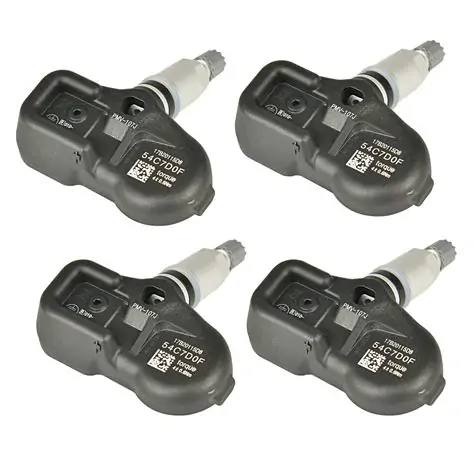
Explore the importance, functionality, and replacement of TPMS sensors. Learn how to choose the right TPMS sensor to ensure vehicle safety.The Toyota 4Runner, a rugged and reliable SUV, offers drivers the perfect blend of off-road capability and everyday practicality. One essential component that enhances both safety and performance is the Tire Pressure Monitoring System (TPMS) sensor. In this blog post, we will explore the intricacies of TPMS sensors, starting with what they are and why they are crucial for your vehicle’s performance and your safety on the road. We will also delve into how these sensors operate, the signs that indicate it’s time for a replacement, and tips for choosing the right TPMS sensor for your Toyota 4Runner. Understanding this technology is vital for any 4Runner owner who wants to ensure optimal performance and longevity from their prized vehicle. Join us as we unravel the importance of TPMS sensors and empower you to make informed decisions for your SUV.
What is a TPMS sensor?
A Tire Pressure Monitoring System (TPMS) sensor is a crucial component in modern vehicles, including the Toyota 4Runner. Its primary purpose is to monitor the air pressure in the tires and alert the driver when it falls below a predetermined level. Proper tire pressure is vital for safety, fuel efficiency, and overall vehicle performance.
Each TPMS sensor works by measuring the internal pressure within the tire and sending this information wirelessly to the vehicle’s onboard computer. Here are some key details about TPMS sensors:
| Feature | Description |
|---|---|
| Types | Direct and indirect TPMS sensors |
| Monitoring | Continuously checks tire pressure |
| Alert System | Warning light on the dashboard for low pressure |
| Impact on Safety | Prevents blowouts and enhances driving stability |
In the Toyota 4Runner, the TPMS sensor is integrated into each tire, providing real-time feedback to ensure optimal driving conditions. If a tire is experiencing low pressure, the system will activate a warning light, prompting the driver to take necessary action, such as inflating the tire or replacing it if needed.
“Maintaining proper tire pressure is not just a good practice; it’s essential for vehicle safety and performance.”
Understanding the role of a TPMS sensor in your Toyota 4Runner can help you stay informed about your vehicle’s maintenance needs and ensure a safer driving experience.
The importance of TPMS sensors
A Tire Pressure Monitoring System (TPMS) sensor is an integral component of modern vehicles, including the Toyota 4Runner. Understanding the importance of these sensors can significantly enhance your vehicle’s safety and performance. Here are several key reasons why TPMS sensors are essential:
- Enhanced Safety: Proper tire pressure is critical to vehicle stability and handling. TPMS sensors alert drivers when tire pressure drops below the recommended levels, preventing potential blowouts and accidents.
- Improved Fuel Efficiency: Under-inflated tires can lead to increased rolling resistance, which can reduce fuel efficiency. Maintaining optimal tire pressure through TPMS monitoring can help drivers save on fuel costs.
- Prolonged Tire Life: Keeping tires properly inflated helps extend their lifespan. TPMS sensors help ensure that tires wear evenly, reducing the need for frequent replacements.
- Legal Requirements: Many regions have made TPMS sensors mandatory in new vehicles. Compliance with these regulations not only ensures legal driving but also promotes overall road safety.
- Cost Savings: By preventing tire-related issues, TPMS sensors can lead to significant cost savings in both repairs and maintenance over time.
The integration of TPMS sensors in vehicles marks a significant advancement in automotive safety technology.
In summary, the importance of TPMS sensors cannot be overstated. For those driving a Toyota 4Runner, ensuring that your TPMS sensors are functioning effectively can lead to improved safety, enhanced performance, and long-term savings. Regular checks and maintenance of your TPMS system will keep your vehicle at its best.
How TPMS sensors work
A Tire Pressure Monitoring System (TPMS) sensor is an essential component of modern vehicles, including the popular Toyota 4Runner. Understanding how these sensors work can help you maintain your vehicle’s safety and performance. Below, we will delve into the mechanics of TPMS sensors and how they function to ensure your tires are at optimal pressure.
Types of TPMS Sensors
There are two primary types of TPMS sensors:
- Direct TPMS: These sensors measure the tire pressure directly using pressure sensors located inside each tire.
- Indirect TPMS: Instead of measuring tire pressure, these systems use the vehicle’s ABS (Anti-lock Braking System) to monitor wheel speed. A significant drop in tire pressure causes the affected tire to rotate at a speed different from the others.
How Direct TPMS Sensors Work
In direct TPMS systems, each tire is equipped with a small sensor that collects data related to tire pressure. Here’s how they work:
- The sensor continuously monitors the tire pressure and temperature.
- When a significant change in pressure is detected, the sensor sends a radio signal to the vehicle’s onboard computer.
- The vehicle’s computer processes this information and will alert the driver, typically via a warning light on the dashboard, if any tire is under-inflated.
The Importance of Accurate Monitoring
Maintaining the correct tire pressure is crucial for:
- Enhancing fuel efficiency
- Ensuring optimal handling and stability
- Extending tire life
- Reducing the risk of tire blowouts
Regular monitoring of TPMS sensors helps in identifying issues early, thereby ensuring both safety and performance of your Toyota 4Runner.
Understanding how your TPMS sensors work is key to vehicle safety and longevity. Proper tire maintenance starts with being aware of your tire pressures. – Automotive Expert
Overall, the functionality of TPMS sensors is a vital aspect of vehicle operation, promoting safe driving and prolonging tire lifespan. By keeping an eye on your TPMS sensor alerts, you can prevent bigger problems down the road.
When to replace TPMS sensors
The Tire Pressure Monitoring System (TPMS) is an essential safety feature in modern vehicles, including the Toyota 4Runner. Recognizing when to replace TPMS sensors can help ensure your vehicle operates safely and efficiently. Here are key indicators to look for:
- Warning Light Activation: If the TPMS warning light on your dashboard illuminates, it’s often an indication that one or more of your sensors are malfunctioning or that the tire pressure is significantly lower than recommended.
- Frequent Calibration: If you find yourself recalibrating the TPMS regularly, this could signal that the sensors are no longer functioning correctly and may need replacement.
- Age of the Sensors: TPMS sensors typically have a lifespan of about 5 to 10 years. If your Toyota 4Runner is nearing this age, consider replacing the sensors as a preventive measure.
- Physical Damage: A visual inspection can help detect physical damage to the sensors. If you notice any cracks or corrosion, replacing the sensors is advisable.
- Loss of Pressure Accuracy: If you notice that the TPMS is not displaying accurate tire pressures, this may suggest that the sensors are failing and should be replaced.
If any of these indicators are present, it’s crucial to replace the TPMS sensors promptly. Neglecting to do so can not only affect your vehicle’s performance but also pose safety risks while driving.
Always consult with a certified technician or refer to your vehicle’s manual to ensure you are using the correct replacement sensors for your Toyota 4Runner.
Choosing the right TPMS sensor
When it comes to maintaining your Toyota 4Runner, choosing the right TPMS sensor (Tire Pressure Monitoring System sensor) is crucial for ensuring safety and proper vehicle performance. Below, we explore the key factors to consider when selecting a TPMS sensor for your 4Runner.
1. Compatibility
Ensuring compatibility is the first step in choosing the right TPMS sensor. Different models of the Toyota 4Runner may have varied specifications. Refer to your vehicle’s manual to find the exact requirements or consult with a professional.
2. OEM vs. Aftermarket Sensors
| Type | Advantages | Disadvantages |
|---|---|---|
| OEM Sensors | Designed specifically for your vehicle, ensuring perfect fit and function. | Higher cost compared to aftermarket options. |
| Aftermarket Sensors | Generally more affordable and can be found in various styles. | Might not fit perfectly or work as reliably as OEM sensors. |
3. Sensor Functionality
Make sure to consider how the sensor functions. High-quality sensors will provide accurate tire pressure readings and alert you promptly if there’s a significant drop in pressure. Check reviews for reliability before making a purchase.
4. Battery Life
The lifespan of the sensor’s battery is another important factor. Choose sensors with longer battery life to avoid frequent replacements. Most TPMS sensors have a life expectancy of about 5-10 years, but this can vary based on usage and conditions.
5. Price and Warranty
Finally, consider your budget. Price can vary widely between OEM and aftermarket sensors. It’s worth investing in a quality product. Additionally, check the warranty offered; a longer warranty can indicate a manufacturer’s confidence in their product.
“Choosing the right TPMS sensor not only ensures safety but can ultimately save you money in the long run.”
In summary, when selecting a TPMS sensor for your Toyota 4Runner, always prioritize compatibility, functionality, and quality. Doing your research will ensure that you make the best choice for your vehicle.
Frequently Asked Questions
What is a TPMS sensor in the Toyota 4Runner?
The TPMS (Tire Pressure Monitoring System) sensor in the Toyota 4Runner is a device that monitors the air pressure in the tires and alerts the driver if any tire is significantly under-inflated.
How does the TPMS sensor work in the Toyota 4Runner?
The TPMS sensor uses pressure sensors located inside each tire to measure tire pressure and sends this information to the vehicle’s onboard computer, which triggers a warning light if any tire pressure falls below a preset threshold.
What are the symptoms of a failing TPMS sensor in a Toyota 4Runner?
Common symptoms of a failing TPMS sensor include the TPMS warning light illuminating on the dashboard, inconsistent tire pressure readings, or the system failing to reset after inflating the tires.
How can I reset the TPMS sensor in my Toyota 4Runner?
To reset the TPMS sensor, ensure that all tires are properly inflated to the recommended pressure, then turn on the ignition without starting the engine, and press the TPMS reset button, which is usually located below the steering column.
Can I replace the TPMS sensor myself in a Toyota 4Runner?
Yes, if you have the right tools and knowledge, you can replace the TPMS sensor yourself, but it’s important to ensure proper installation and recalibration afterward.
What should I do if the TPMS light stays on after checking tire pressure?
If the TPMS light remains on after checking the tire pressures, it could indicate a faulty sensor, a malfunctioning system, or that one or more tires need attention, so it’s advisable to have the system checked by a professional.
How much does it cost to replace a TPMS sensor in a Toyota 4Runner?
The cost to replace a TPMS sensor in a Toyota 4Runner can vary depending on the dealership or automotive shop, but it typically ranges from $50 to $150 per sensor, including parts and labor.