
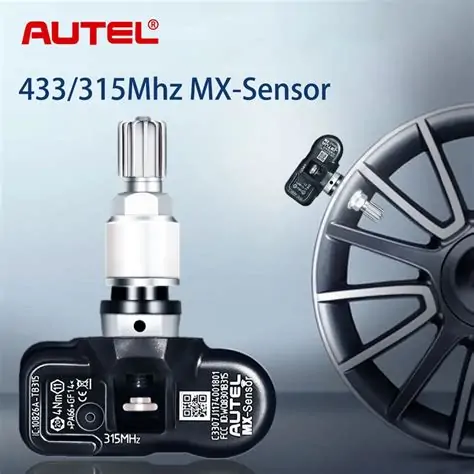
Discover everything about TPMS sensors, their advantages, types, installation tips, and how to choose the best universal TPMS for your vehicle.In today’s automotive landscape, ensuring the safety and performance of your vehicle is paramount, and one key component in maintaining optimal tire health is the Tire Pressure Monitoring System (TPMS). A universal TPMS sensor offers a versatile solution for vehicle owners looking to monitor tire pressure across different makes and models. This blog post will delve into the essentials of what TPMS sensors are, highlight the numerous advantages of opting for a universal model, and explore the various types available on the market. Furthermore, we’ll guide you through the installation process and provide tips for selecting the best universal TPMS for your needs. Stay tuned to learn how this small but crucial device can enhance your driving experience while ensuring your tires are always road-ready.
What is a TPMS Sensor?
A Tire Pressure Monitoring System (TPMS) sensor is a crucial component in modern vehicles designed to monitor the air pressure in your tires. It helps to ensure that the tire pressure is maintained at optimal levels to enhance safety, improve fuel efficiency, and extend tire life. The TPMS sensor is typically placed either in the tire itself or on the valve stem, and it communicates real-time data to the vehicle’s onboard computer system.
There are two main types of TPMS:
- Direct TPMS: This type uses pressure sensors located in each tire, sending data directly to the vehicle’s computer.
- Indirect TPMS: This system does not use pressure sensors. Instead, it utilizes the wheel speed sensors to determine if a tire is under-inflated based on its rotational speed.
The main functions of a TPMS sensor include:
- Monitoring tire pressure in real-time.
- Alerting the driver when tire pressure falls below the recommended levels.
- Providing diagnostic trouble codes for tire maintenance issues.
With the increasing emphasis on vehicle safety and fuel efficiency, the importance of a properly functioning TPMS sensor cannot be overstated. It not only helps to prevent blowouts and accidents but also contributes to overall performance and longevity of the tires.
Advantages of Universal TPMS
A Tire Pressure Monitoring System (TPMS) is a crucial component of modern vehicles, ensuring that tire pressure is always within the optimal range. Universal TPMS sensors, specifically, provide a range of benefits that enhance vehicle safety and performance. Here are some key advantages of using Universal TPMS:
- Increased Safety: Maintaining the correct tire pressure with a Universal TPMS helps reduce the risk of tire blowouts, improving overall driving safety.
- Cost-Effective: Universal TPMS sensors are often less expensive than OEM options, offering a budget-friendly solution without sacrificing quality.
- Easy Installation: Many Universal TPMS sensors are designed for simple installation, reducing labor costs if professional help is sought.
- Compatibility: As the name suggests, Universal TPMS sensors are compatible with a wide range of vehicles, making them a flexible option for car owners.
- Real-Time Monitoring: Universal TPMS provides constant feedback about tire pressure, allowing drivers to detect issues before they become serious problems.
- Durability: These sensors are built to endure harsh driving conditions, ensuring long-lasting performance which translates to less frequent replacements.
- Improved Fuel Efficiency: Properly inflated tires achieve better fuel efficiency, which can lead to reduced fuel costs over time.
In summary, the advantages of Universal TPMS sensors make them an essential investment for any vehicle owner looking to enhance safety, reduce costs, and optimize vehicle performance. By ensuring proper tire pressure, you not only protect your vehicle but also promote safer driving conditions for everyone on the road.
Different Types of Universal TPMS
Timed out generating response. Please try again with a shorter prompt or with `max_tokens` set to a lower value.
How to Install Universal TPMS
Installing a Universal TPMS (Tire Pressure Monitoring System) can significantly enhance your vehicle’s safety and performance. This guide will walk you through the steps to effectively install a Universal TPMS.
What You’ll Need:
- Universal TPMS sensor kit
- Tire pressure gauge
- Basic tools (screwdrivers, wrenches)
- O-ring or adhesive (if required)
- Vehicle manual
Step-by-Step Installation Process:
- Read the Manufacturer’s Instructions: Before starting, thoroughly read the installation manual that comes with your Universal TPMS. Each model may have specific requirements.
- Prepare Your Vehicle: Park your vehicle on a flat surface and ensure that the engine is off. This is crucial for safe installation.
- Remove the Wheel: Use a lug wrench to loosen the lug nuts and remove the wheel. Ensure that you are using the right tools to avoid any damage.
- Install the Sensors: Depending on your Universal TPMS, the sensors may need to be mounted externally or installed inside the tire. For internal installation:
- Remove the tire from the rim using a tire removal tool.
- Install the new TPMS sensor onto the valve stem, ensuring it seats properly.
- Reinflate the Tire: Once the sensor is in place, inflate the tire to the manufacturer’s recommended pressure. Check with a tire pressure gauge to ensure accuracy.
- Reattach the Wheel: Place the tire back onto the wheel hub, hand-tighten the lug nuts, and then use the lug wrench to secure them properly in a star pattern.
- Test the System: Once everything is back together, start your vehicle and allow the TPMS to calibrate. The warning light on your dashboard should turn off if the installation was successful.
Tips:
Always ensure your tires are properly inflated to prolong the life of your sensors and improve fuel efficiency.
By following these steps, you can successfully install a Universal TPMS on your vehicle, ensuring enhanced safety and performance on the road!
Choosing the Best Universal TPMS
When it comes to selecting the best Universal Tire Pressure Monitoring System (TPMS), several factors should be taken into consideration to ensure that you make an informed choice. Since each vehicle has its own specifications and requirements, finding a universal solution that meets your needs is essential.
Key Factors to Consider
- Compatibility: It’s crucial to ensure that the TPMS you choose is compatible with your vehicle. Check the manufacturer specifications and verify that the sensors work well with the make and model of your car.
- Sensor Type: Different universal TPMS systems come with either direct or indirect sensors. Direct sensors provide real-time data directly from the tire, while indirect sensors estimate tire pressure based on wheel speed. Consider which type suits your driving habits best.
- Ease of Installation: Look for a universal TPMS that offers a straightforward installation process. Some systems may require more intricate procedures or calibration, while others can be set up with minimal effort.
- Display and Alerts: Choose a system with a clear display and customizable alerts. The best systems will notify you promptly and accurately when tire pressure levels are outside the optimal range.
- Battery Life: Check the battery life of the sensors. Some universal TPMS sensors come with replaceable batteries, while others have a lifespan of several years. Choose one that offers durability and low maintenance.
- Brand Reputation: Research different brands and models. Look for reviews and feedback from other users to determine their satisfaction and the effectiveness of the TPMS.
Top Recommendations
| Brand | Model | Features | Price |
|---|---|---|---|
| Brand A | Model X1 | Easy Installation, Direct Sensors, LCD Display | $89.99 |
| Brand B | Model Y2 | Real-time Alerts, Replaceable Battery, Wide Compatibility | $79.99 |
| Brand C | Model Z3 | Inductive Charging, Indirect Sensors, Mobile App Integration | $99.99 |
In summary, when choosing the best Universal TPMS, consider compatibility, sensor type, ease of installation, display options, battery life, and brand reputation. By following these guidelines, you can select a system that will not only keep your tires in optimal condition but also ensure your safety on the road.
Frequently Asked Questions
What is a universal TPMS sensor?
A universal TPMS (Tire Pressure Monitoring System) sensor is a device designed to monitor tire pressure and temperature, compatible with various vehicle makes and models.
How does a universal TPMS sensor work?
It uses a pressure sensor to detect the air pressure inside the tire and transmits this information to the vehicle’s onboard computer, alerting the driver if tire pressure is too low or too high.
What are the benefits of using a universal TPMS sensor?
Benefits include improved vehicle safety, enhanced fuel efficiency, and the prevention of tire blowouts, all while providing a convenient solution compatible with multiple vehicles.
Can a universal TPMS sensor replace the original sensors?
Yes, a universal TPMS sensor can replace original sensors, provided it is programmed correctly for the specific vehicle model and year.
How do I install a universal TPMS sensor?
Installation typically involves removing the tire, replacing the old sensor with the universal one, and then reassembling the tire, often requiring reprogramming to sync with the vehicle.
Are there any drawbacks to using a universal TPMS sensor?
Potential drawbacks may include compatibility issues with certain vehicles, the need for reprogramming, and varying performance quality among different brands.
How do I maintain my universal TPMS sensor?
Regular maintenance includes checking the sensor’s battery life, ensuring it is properly installed, and checking tire pressure periodically for optimal performance.