
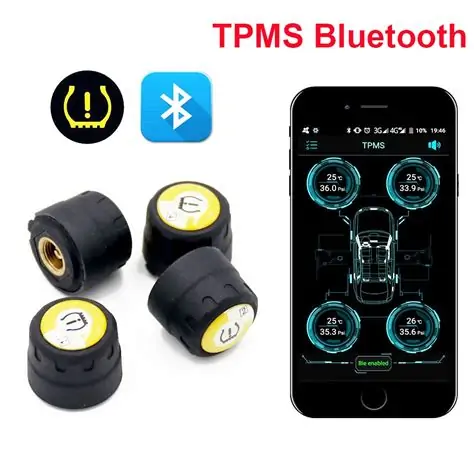
Discover Bluetooth TPMS sensors: their benefits, functionality, selection tips, and installation guide for safer driving. Enhance your tire monitoring experience today!In today’s fast-paced automotive world, ensuring the safety and efficiency of your vehicle is paramount, and one of the best ways to achieve this is by utilizing a Bluetooth Tire Pressure Monitoring System (TPMS) sensor. This innovative technology allows drivers to monitor tire pressure in real-time, providing crucial data that can prevent accidents and improve fuel efficiency. With the ease of Bluetooth connectivity, these sensors bring convenience to vehicle maintenance, alerting you to any irregularities before they escalate into serious issues. In this blog post, we will explore the ins and outs of Bluetooth TPMS sensors, including their benefits, functionality, how to choose the right one for your vehicle, and tips for installation and usage. Whether you’re a car enthusiast or simply want to enhance your driving experience, understanding Bluetooth TPMS sensors is a step in the right direction.
Introduction to Bluetooth TPMS Sensor
The Bluetooth Tire Pressure Monitoring System (TPMS) is an innovative technology that provides real-time data on tire pressure, enhancing both safety and convenience for vehicle owners. This system utilizes wireless communication via Bluetooth to transfer tire pressure information to a receiver, usually a smartphone or car display, making it easier for users to monitor their tire health.
With the increasing importance of vehicle maintenance and safety, understanding the components and functionalities of a Bluetooth TPMS sensor is essential. These devices not only help in avoiding accidents caused by under-inflated tires but also contribute to better fuel efficiency and tire longevity.
Key Features of Bluetooth TPMS Sensors
- Real-Time Monitoring: Provides instant updates on tire pressure and temperature.
- Alerts and Notifications: Sends alerts to your smartphone or dashboard if tire pressure goes below or above recommended levels.
- Easy Installation: Most systems are designed for simple installation, often requiring no professional help.
- Battery Life: Bluetooth TPMS sensors typically come with long-lasting batteries, often exceeding 5 years.
The incorporation of Bluetooth technology in TPMS allows for seamless communication and user-friendly interfaces. This modern approach eliminates the need for cumbersome wiring and provides greater flexibility in terms of installation and monitoring.
As technology continues to evolve, the Bluetooth TPMS sensor serves as a testament to how advancements can lead to safer and more efficient driving experiences.
Benefits of Using Bluetooth TPMS
Bluetooth Tire Pressure Monitoring Systems (TPMS) have gained immense popularity in recent years due to their innovative technology and convenience. Utilizing Bluetooth technology, these sensors offer a myriad of benefits that enhance driving safety and vehicle performance. Here are some of the key benefits of using Bluetooth TPMS:
- Real-Time Monitoring: Bluetooth TPMS provides continuous, real-time data on tire pressure and temperature directly to your smartphone or vehicle’s dashboard. This allows drivers to maintain optimal pressure levels and avoid potential hazards associated with under-inflated tires.
- Easy Installation: Unlike traditional TPMS systems, Bluetooth TPMS sensors are easy to install. Most units can be integrated into your tires without any specialized tools and typically require minimal setup.
- Cumbersome system diagnostics: With Bluetooth TPMS, troubleshooting is simplified. Most systems come with companion apps that not only monitor tire performance but also offer diagnostic tools for easy identification of sensor issues.
- Cost-Effective Maintenance: Properly inflated tires contribute to better fuel efficiency, which can lead to significant savings on fuel costs. Additionally, keeping tires in good condition reduces the risk of frequent replacements and repairs.
- Alerts and Notifications: A major advantage of Bluetooth TPMS is the capability of sending alerts to your smartphone. Notifications about low tire pressure or temperature changes empower drivers to take immediate action, promoting safer driving.
- Mobile Monitoring: With the accompanying mobile apps, users can easily check tire pressure while on the go, making it convenient to keep track of tire health without needing to pull over or stop.
- Enhanced Safety: By maintaining optimal tire pressure, Bluetooth TPMS significantly reduces the risk of tire blowouts or other tire-related accidents. This results in a safer driving experience for both the driver and passengers.
In summary, the benefits of using Bluetooth TPMS extend beyond mere convenience. They contribute to enhanced safety, cost savings, and improved vehicle performance, making them a wise investment for any vehicle owner.
How Bluetooth TPMS Sensors Work
Bluetooth Tire Pressure Monitoring System (TPMS) sensors are innovative devices designed to monitor the air pressure and temperature of tires in real-time. Understanding how these sensors operate is crucial for both vehicle maintenance and safety.
Basic Functionality
Bluetooth TPMS sensors use wireless technology to transmit data from the tire to the vehicle’s onboard computer or a mobile app. Here’s a simplified breakdown of their operation:
- Pressure Sensing: Each sensor is equipped with a pressure-sensitive component that measures the tire’s air pressure.
- Temperature Monitoring: In addition to pressure, these sensors also monitor the temperature of the tires to prevent overheating.
- Data Transmission: The captured data is wirelessly sent via Bluetooth to a central unit or a connected device such as a smartphone.
- Real-time Alerts: If the tire pressure falls below or rises above the recommended levels, the system sends alerts to the driver in real-time.
Components of Bluetooth TPMS
| Component | Function |
|---|---|
| Pressure Sensor | Measures the tire pressure. |
| Temperature Sensor | Monitors the tire temperature. |
| Bluetooth Module | Transmits data to connected devices. |
| Power Source | Powers the sensor, usually a battery. |
Data Communication Process
The communication between the Bluetooth TPMS sensor and the vehicle’s system works as follows:
When the vehicle is started, the Bluetooth sensor continuously checks the tire pressure and temperature. Once it detects a significant change, it sends an instant alert via Bluetooth to the driver’s mobile device or the onboard system.
Benefits of Real-time Monitoring
- Safety: Prevents dangerous blowouts caused by under-inflation or over-inflation.
- Fuel Efficiency: Maintains optimal tire pressure, improving fuel economy.
- Extended Tire Life: Regular monitoring can help extend the life of your tires.
In summary, the operation of Bluetooth TPMS sensors fundamentally revolves around real-time monitoring, critical data transmission, and providing timely alerts to the driver, ensuring both safety and efficiency on the road.
Choosing the Right Bluetooth TPMS
When it comes to selecting the right Bluetooth TPMS (Tire Pressure Monitoring System), there are several important factors to consider. A quality Bluetooth TPMS can enhance your vehicle’s safety and performance while providing real-time data that helps you maintain proper tire pressure. Here’s a guide to help you make an informed decision.
Key Factors to Consider
- Compatibility: Ensure the TPMS is compatible with your vehicle. Different models may require different sensors or adapters.
- Sensor Type: Decide between internal and external sensors. Internal sensors are generally more accurate, but external ones are easier to install.
- Battery Life: Check the expected lifespan of the sensor battery. Longer battery life means less frequent replacements.
- Real-Time Monitoring: Look for systems that offer real-time alerts for tire pressure changes. This feature is crucial for maintaining tire health.
- Mobile App Support: Ensure that the Bluetooth TPMS comes with a user-friendly mobile app that provides detailed analytics and notifications.
- Price: Balance your budget with the features offered. Sometimes, paying a bit more can give you significantly better performance and reliability.
Popular Brands
Some well-known brands in the market include:
| Brand | Features |
|---|---|
| TPMS Plus | Internal sensors, long battery life, app integration |
| Sensor K | External sensors, real-time alerts, user-friendly app |
| Autel | Affordable, compatibility with multiple vehicles, durable design |
Installation Considerations
Installation can vary greatly depending on the model you choose. Many Bluetooth TPMS systems are designed for easy DIY installation, while others may require professional help. Always refer to the manufacturer’s instructions for accurate installation guidelines.
In summary, when choosing the right Bluetooth TPMS, focus on compatibility, sensor type, battery life, monitoring capability, mobile app support, and price. Evaluating these factors will help you find a system that meets your needs and enhances your driving safety.
Installing and Using Bluetooth TPMS
Installing and using a Bluetooth TPMS (Tire Pressure Monitoring System) can significantly improve your vehicle’s safety and efficiency. This guide will take you through the process step-by-step, ensuring you enjoy the benefits of real-time tire monitoring.
Step 1: Gather Required Tools and Components
Before beginning the installation, make sure you have the following:
- Bluetooth TPMS Sensors: These typically come in sets of four for each tire.
- Sensor Installation Tool: This might be included with your sensors.
- Smartphone or Tablet: Ensure it has Bluetooth capabilities and is compatible with the TPMS app.
- Vehicle Owner’s Manual: Useful for any specific instructions related to your car.
Step 2: Prepare Your Tires
Before installing the sensors, ensure that your tires are clean and in good condition. It’s also a good idea to check the current tire pressure:
- Remove any dirt or debris from the valve stems.
- Check and inflate each tire to the recommended pressure as specified in your vehicle’s owner manual.
Step 3: Install the Sensors
Follow these steps to install the Bluetooth TPMS sensors:
- Remove the valve cap from the tire’s valve stem.
- If required, use the provided installation tool to screw the sensor onto the valve stem. Make sure it’s secure but do not overtighten.
- Replace the valve cap, ensuring it fits snugly over the sensor.
Step 4: Connect to Your Smartphone
Now that your sensors are installed, it’s time to set them up with your smartphone:
- Download the Bluetooth TPMS app from your device’s app store.
- Enable Bluetooth on your smartphone or tablet.
- Open the TPMS app and follow the on-screen instructions to pair with the sensors. This usually involves searching for available devices and selecting your TPMS sensors.
- Once connected, the app will display the tire pressure, and you will receive alerts for any irregularities.
Step 5: Monitor and Maintain
After installation, regularly monitor your tire pressure using the app. Make sure to:
- Check the tire pressure at least once a month.
- Replace batteries in sensors when prompted by the app.
- Keep the app updated to ensure compatibility with your device.
Tips for Optimal Use
Regular maintenance of your Bluetooth TPMS can prevent accidents and improve fuel efficiency!
With your Bluetooth TPMS installed and in use, you can rest easy knowing that you’re taking proactive steps to maintain the safety and performance of your vehicle. Happy driving!
Frequently Asked Questions
What is a Bluetooth TPMS sensor?
A Bluetooth Tire Pressure Monitoring System (TPMS) sensor is a device that wirelessly monitors the air pressure in your vehicle’s tires and transmits the data to a connected device, usually a smartphone or a vehicle’s dashboard display.
How does a Bluetooth TPMS sensor work?
The Bluetooth TPMS sensor is mounted on each tire’s valve stem and measures the tire’s air pressure. It sends this information via Bluetooth to a paired device, allowing the driver to monitor tire status in real-time.
What are the benefits of using a Bluetooth TPMS sensor?
The benefits include improved tire safety, enhanced fuel efficiency, reduced tire wear, and the convenience of monitoring tire pressure from a smartphone or display without needing to manually check each tire.
Can I install a Bluetooth TPMS sensor myself?
Yes, most Bluetooth TPMS sensors are designed for easy installation, typically requiring you to replace the existing valve stem caps or attach the sensors directly to the valve stems of your tires.
How often should I check my TPMS readings?
It’s recommended to check your TPMS readings regularly, ideally before long trips or as part of your routine vehicle maintenance, as accurate tire pressure is crucial for safety and performance.
What should I do if my TPMS alert goes off?
If your TPMS alert goes off, you should first check the tire pressures to see if any are significantly low. If you find a flat tire or pressure below the recommended level, inflate it to the proper level. If the alert persists, consult a professional to inspect for leaks or sensor malfunctions.
Are Bluetooth TPMS sensors compatible with all vehicles?
While many Bluetooth TPMS sensors are designed to be universally compatible, some may require specific programming or may not work with older vehicle models. It’s best to check the sensor’s compatibility with your vehicle before purchase.