
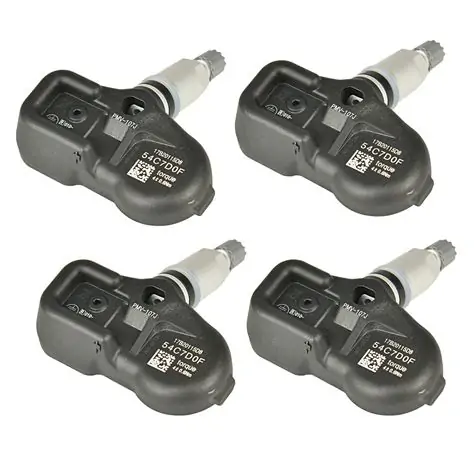
Discover the essentials of TPMS sensors, their significance, functioning, signs of failure, and how to replace a 4Runner TPMS sensor effectively.When it comes to vehicle safety, understanding your 4Runner’s Tire Pressure Monitoring System (TPMS) sensor is crucial. This small but significant device plays a vital role in keeping your tires properly inflated, which not only enhances performance but also prolongs tire life and ensures your safety on the road. In this blog post, we’ll delve into what TPMS sensors are, why they are important, and how they operate. Additionally, we’ll discuss the signs that indicate a faulty sensor and provide guidance on replacing your 4Runner’s TPMS sensor. Whether you’re a seasoned driver or new to vehicle maintenance, this comprehensive guide will equip you with essential knowledge to keep your 4Runner in top shape. Let’s get started!
What is a TPMS sensor?
A Tire Pressure Monitoring System (TPMS) sensor is an essential component of modern vehicles designed to monitor the air pressure in the tires. These sensors play a crucial role in enhancing vehicle safety and efficiency by ensuring that tires are adequately inflated.
There are primarily two types of TPMS sensors:
- Direct TPMS Sensors: These sensors are located inside the tire, typically attached to the valve stem. They measure the actual pressure of the tire and transmit this data to the vehicle’s onboard computer.
- Indirect TPMS Sensors: These sensors use the vehicle’s Antilock Braking System (ABS) to estimate tire pressure by monitoring wheel speed. If a tire is under-inflated, it rotates faster than properly inflated tires, triggering a warning light.
Most TPMS sensors are equipped with a battery that powers the system. When the battery runs low or the sensor malfunctions, it may lead to inaccurate pressure readings or warning lights on the dashboard.
The implementation of TPMS in vehicles became mandatory in several countries due to the safety benefits associated with maintaining optimal tire pressure, which can enhance fuel efficiency, improve handling, and reduce the risk of tire blowouts.
In summary, understanding what a TPMS sensor is can help vehicle owners recognize the importance of tire maintenance for safer and more economical driving.
Importance of TPMS sensors
The Tire Pressure Monitoring System (TPMS) is a crucial feature in modern vehicles, including the Toyota 4Runner, designed to enhance safety and performance. Understanding the importance of TPMS sensors can help drivers maintain optimal tire conditions and ensure safer driving experiences.
Safety
One of the primary reasons for the importance of TPMS sensors is the safety they provide. Proper tire pressure is critical for:
- Maintaining vehicle stability
- Improving handling and control
- Preventing blowouts
Fuel Efficiency
Over-inflated or under-inflated tires can significantly affect fuel efficiency. The TPMS helps ensure that tires are at their recommended pressure levels, thereby:
- Reducing rolling resistance
- Improving miles per gallon (MPG)
Tire Longevity
Regular monitoring of tire pressure through TPMS sensors helps extend the lifespan of tires. Properly inflated tires experience less wear and tear, as detailed in the following table:
| Tire Pressure Condition | Impact on Tire Lifespan |
|---|---|
| Under-inflated | Increased wear, reduced life |
| Over-inflated | Uneven wear, increased risk of blowouts |
| Properly Inflated | Maximized tire longevity |
Environmental Impact
Proper tire pressure not only contributes to safety and savings but also has a positive effect on the environment. A well-maintained tire can:
- Reduce carbon emissions
- Minimize fossil fuel consumption
In summary, the importance of TPMS sensors cannot be overstated. They play a vital role in enhancing safety, improving fuel efficiency, prolonging tire life, and reducing environmental impact, especially in vehicles like the Toyota 4Runner.
How do TPMS sensors work?
Tire Pressure Monitoring System (TPMS) sensors are integral components of modern vehicles, designed to continuously monitor the air pressure in each tire. Understanding how these sensors work can provide insights into their importance for vehicle safety and maintenance.
There are primarily two types of TPMS: Direct TPMS and Indirect TPMS.
Direct TPMS
Direct TPMS uses sensors located inside each tire to measure the tire pressure in real-time. Here’s how it functions:
- Pressure Sensing: Each sensor is equipped with a pressure transducer that detects changes in tire pressure.
- Signal Transmission: When a tire’s pressure deviates from the set threshold, the sensor sends a radio signal to the vehicle’s onboard computer.
- Alert Mechanism: The onboard computer processes this signal and triggers a warning light on the dashboard, indicating low tire pressure.
Indirect TPMS
Indirect TPMS, on the other hand, does not use pressure sensors in each tire. Instead, it relies on existing wheel speed sensors. Here’s how it operates:
- Wheel Speed Detection: The system monitors the rotation speed of each wheel during driving.
- Pressure Estimation: If a tire loses pressure, its circumference decreases, causing it to rotate faster than the other tires. The system interprets this difference in speed as a drop in pressure.
- Alert Generation: Similar to direct TPMS, the onboard computer alerts the driver when it detects a significant difference in tire speed, indicating a possible low tire pressure situation.
Advantages of TPMS
The TPMS provides several advantages beyond simply monitoring tire pressure:
- Safety: By alerting drivers to low tire pressure, TPMS helps prevent tire blowouts and improves overall vehicle safety.
- Fuel Efficiency: Properly inflated tires improve fuel economy, as under-inflated tires can lead to increased rolling resistance.
- Extended Tire Life: Maintaining correct tire pressure can extend the life of your tires, providing better value over time.
In summary, TPMS sensors play a crucial role in vehicle maintenance and safety by ensuring that tire pressures are within optimal ranges, which in turn enhances fuel efficiency, tire longevity, and driver safety.
Signs of a faulty TPMS sensor
The Tire Pressure Monitoring System (TPMS) is an essential component of modern vehicles, including the Toyota 4Runner. This system helps ensure optimal tire pressure, enhancing safety and improving fuel efficiency. However, like any automotive component, TPMS sensors can fail. Here are some common signs of a faulty TPMS sensor:
- Illuminated Warning Light: The most obvious sign of a malfunctioning TPMS sensor is the warning light on your dashboard. If it stays lit or flashes, it indicates a problem with the system.
- Inaccurate Tire Pressure Readings: If your TPMS displays tire pressure readings that seem incorrect or inconsistent, this could signal a faulty sensor. An accurate readout is crucial for maintaining proper tire pressure.
- Frequent Pressure Loss: If you notice that your tires frequently lose air, the issue might not be with the tires but rather a malfunctioning TPMS sensor that’s not detecting the pressure correctly.
- System Reset Issues: If you find it difficult to reset the TPMS after adjusting tire pressures, this could indicate a malfunctioning sensor. A properly functioning sensor should allow for easy resets.
- Delayed Indicator Activation: If the TPMS warning light comes on after driving for a while rather than upon starting the vehicle, this may suggest that the sensor is not operating correctly.
Regularly inspecting your TPMS can help you identify issues early on. If you encounter any of these signs, it is advisable to have the sensor checked and replaced if necessary to ensure the safety and performance of your 4Runner.
Replacing a 4runner TPMS sensor
Replacing a 4runner TPMS sensor can be a straightforward process if you follow the correct steps. The Tire Pressure Monitoring System (TPMS) plays a critical role in ensuring your safety on the road by monitoring tire pressure. If a TPMS sensor becomes faulty or worn, it is essential to replace it promptly.
Tools Required
- Jack
- Jack Stands
- Socket Wrench
- TPMS Sensor Tool (optional)
- Replacement TPMS Sensor
Step-by-Step Guide to Replace the TPMS Sensor
- Prepare Your Vehicle: Park your 4runner on a flat surface and turn off the engine. Engage the parking brake for safety.
- Lift the Vehicle: Using the jack, lift the vehicle and secure it with jack stands to prevent any accidents.
- Remove the Wheel: Use a socket wrench to remove the lug nuts and take off the wheel to access the tire.
- Locate the TPMS Sensor: Find the valve stem, where the TPMS sensor is attached. It typically sits inside the tire near the air valve.
- Remove the Old Sensor: Carefully detach the sensor from the valve stem. You may need to unscrew a nut or clip holding it in place. Be cautious to avoid damaging any surrounding components.
- Install the New Sensor: Attach the new TPMS sensor to the valve stem. Ensure it’s securely fastened and properly aligned.
- Reinstall the Wheel: Replace the wheel back onto the hub, tightening the lug nuts in a crisscross pattern to ensure even pressure.
- Lower the Vehicle: Carefully remove the jack stands and lower the vehicle back to the ground.
- Reset the TPMS System: Depending on your 4runner model, you may need to reset the TPMS system. Refer to your owner’s manual for the specific instructions.
- Test the System: Start your vehicle and check that the TPMS warning light has turned off. This indicates the new sensor is functioning correctly.
Tips for Replacing TPMS Sensors
When replacing a TPMS sensor, consider having the system reprogrammed by a professional. Some vehicles require specialized equipment for proper calibration.
With these steps, you should be able to replace your 4runner TPMS sensor efficiently. Maintaining the correct tire pressure not only enhances vehicle performance but also ensures your safety on the road.
Frequently Asked Questions
What is a TPMS sensor in a Toyota 4Runner?
A TPMS (Tire Pressure Monitoring System) sensor in a Toyota 4Runner is a device that monitors the air pressure in the tires and alerts the driver if any tire is under-inflated.
How does a TPMS sensor work in the 4Runner?
The TPMS sensor measures the air pressure inside each tire and transmits the data to the vehicle’s onboard computer system. If it detects a significant drop in pressure, it triggers a warning light on the dashboard.
Why is it important to maintain the TPMS sensor?
Maintaining the TPMS sensor is important for safety, as it helps prevent tire blowouts caused by under-inflation. Proper tire pressure also improves fuel efficiency and extends tire life.
What are common signs that a TPMS sensor needs replacement in a 4Runner?
Common signs that a TPMS sensor may need replacement include the TPMS warning light staying illuminated, inconsistency in tire pressure readings, or complete sensor failure.
Can I reset the TPMS sensor myself?
Yes, in many cases you can reset the TPMS sensor yourself. The procedure generally involves turning on the ignition without starting the engine, systematically pressing the gas pedal, and waiting for the TPMS light to blink.
How often should I check my TPMS sensor’s functionality?
It is recommended to check your TPMS sensor’s functionality at least once a month, especially before long trips, to ensure that the tire pressure readings are accurate and the sensor is working properly.
What should I do if the TPMS light comes on in my 4Runner?
If the TPMS light comes on in your 4Runner, first check the tire pressures to ensure they are within the recommended range. If pressures are normal and the light remains on, have the TPMS system inspected by a professional.