
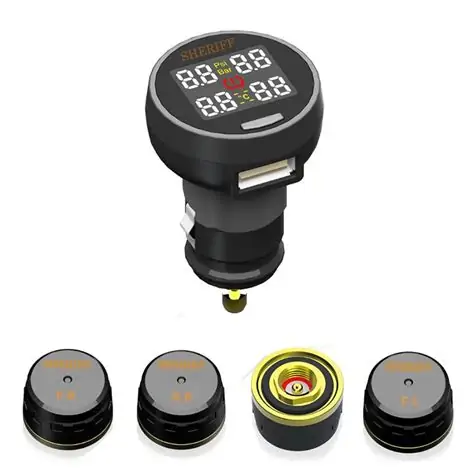
Learn about TPMS, the importance, installation, maintenance, and benefits of external sensors for optimal tire performance and safety.In the world of modern automotive technology, tire pressure monitoring systems (TPMS) play a crucial role in ensuring safety and efficiency on the road. As vehicles become increasingly equipped with advanced features, understanding the components that enhance these systems is essential. This blog post delves into the significance of TPMS and focuses on the advantages of using external sensors, which offer a higher level of accuracy compared to traditional internal monitors. From installation tips to maintenance advice and the myriad benefits of opting for external sensors, we will explore how these devices not only promote safer driving but also prolong the life of your tires. Join us as we uncover the ins and outs of TPMS external sensors and elevate your knowledge of tire safety technology.
What is a TPMS?
A Tire Pressure Monitoring System (TPMS) is an advanced safety feature installed in many modern vehicles. Its primary function is to monitor the air pressure inside the vehicle’s tires. By continuously checking the tire pressure, the TPMS helps ensure that the tires are inflated within the recommended range, promoting both safety and fuel efficiency.
The system comes in two main types: direct TPMS and indirect TPMS.
| Type | Description |
|---|---|
| Direct TPMS | Uses sensors mounted on the wheel or within the tire to measure the precise tire pressure. If the pressure drops below a certain threshold, it sends an alert to the driver. |
| Indirect TPMS | Does not have dedicated sensors for tire pressure. Instead, it uses the vehicle’s anti-lock braking system (ABS) to monitor the rotation speed of the tires, detecting pressure loss based on discrepancies in rotation rates. |
The significance of a TPMS goes beyond just enhancing safety. Properly inflated tires can improve fuel economy, extend the lifespan of the tires, and enhance overall vehicle performance. Moreover, by alerting drivers to low tire pressure, TPMS can prevent potential tire blowouts and accidents.
The utilization of TPMS in vehicles is a vital step towards safer and more efficient driving experiences.
In summary, a TPMS is an essential system that monitors tire pressure, helping to maintain optimal tire health and vehicle safety.
Importance of External Sensors
Tire Pressure Monitoring Systems (TPMS) play a crucial role in ensuring vehicle safety and performance. While many vehicles come equipped with internal TPMS, the use of external sensors offers several advantages that enhance the overall efficacy of these systems.
Here are some key reasons why external sensors are important:
- Enhanced Accuracy: External sensors provide real-time data about tire pressure and temperature directly from the tire’s surface, leading to more accurate readings compared to internal sensors.
- Immediate Alerts: Many external sensors can alert drivers directly through a dedicated system or app if there is a drop in tire pressure, enabling immediate correction before a flat occurs.
- Preventive Maintenance: By monitoring tire conditions more effectively, external sensors help in maintaining optimal tire health, reducing the risk of accidents due to tire failure.
- Ease of Installation: External sensors can be easily installed in a variety of settings without requiring complex alterations to the vehicle’s existing systems.
- Cost-Effectiveness: Considering the potential savings from improved fuel efficiency due to well-maintained tires, external sensors can be a cost-effective investment in vehicle maintenance.
As vehicle technology continues to advance, the integration of external TPMS sensors stands out as a pivotal development in enhancing driving safety and performance. Their real-time monitoring capabilities not only promote safer driving conditions but also contribute to the longevity and performance of your tires.
“Investing in external sensors is not just about safety; it’s about ensuring your vehicle operates at its best.”
Installation of External Sensors
Installing external sensors for a Tire Pressure Monitoring System (TPMS) is a crucial step in ensuring optimal vehicle performance and safety. Here’s a detailed guide to help you navigate through the installation process.
What You Will Need
- External TPMS sensors
- Installation kit (if applicable)
- Torque wrench
- Tire valve tool
- Safety gloves
- Owner’s manual for your vehicle
Steps for Installation
- Prepare the Vehicle: Ensure the vehicle is on a flat surface and the ignition is off. Engage the parking brake for added safety.
- Remove the Tires: Using the tire valve tool, carefully remove the existing tire from the wheel rim. This might involve loosening the lug nuts using a torque wrench.
- Install External Sensors:
- Take the external TPMS sensor and attach it to the tire valve stem.
- Ensure it is securely fastened and that there are no leaks.
- Reinstall the Tires: Once the sensors are in place, reattach the tire to the wheel rim. Make sure to properly align everything before tightening the lug nuts.
- Calibrate the Sensors: After installation, calibrate the sensors according to the manufacturer’s instructions. This may involve using a TPMS tool or following a specific procedure described in the owner’s manual.
- Test the Setup: Turn on the vehicle and check if the TPMS warning light on the dashboard goes off. If it remains illuminated, double-check the installation and calibration.
Tips for a Successful Installation
Always consult the manufacturer’s instructions for the specific external sensor model you are installing, as procedures may vary.
- Wear safety gloves to protect your hands during the installation process.
- Consider having a second person assist you in lifting the tire or holding various components in place.
- After installation, regularly check the sensors for proper function and potential signs of wear.
By following these guidelines for the installation of external sensors in your TPMS, you can ensure that your vehicle maintains optimal tire pressure, enhancing safety and efficiency on the road.
Maintenance of External Sensors
External sensors in a Tire Pressure Monitoring System (TPMS) are crucial for ensuring optimal vehicle performance and safety. Proper maintenance of these sensors is essential to prolong their lifespan and ensure accurate readings. Here are some key maintenance tips to consider:
| Maintenance Task | Frequency | Description |
|---|---|---|
| Regular Inspections | Monthly | Check the sensors for any visible damage or signs of wear. |
| Battery Checks | Every 6 Months | Ensure that the battery of the external sensors is functioning properly. |
| Sensor Recalibration | Annually | Recalibrate the sensors to maintain accuracy in pressure readings. |
| Software Updates | As Needed | Update the TPMS software to ensure compatibility and enhanced features. |
Cleaning the sensors regularly can also prevent dirt and debris from affecting their accuracy. Use a soft cloth and mild soap to wipe down the sensor area, avoiding harsh chemicals that could damage the sensors.
An ounce of prevention is worth a pound of cure. – Benjamin Franklin
Tracking the performance of your external sensors is also advantageous. If you notice any inconsistencies in tire pressure readings, it may be time to replace the sensors or check if they have been affected by external factors, such as temperature changes or physical damage.
Finally, always refer to the manufacturer’s guidelines specific to your TPMS when performing maintenance. Following their recommendations can help optimize sensor performance and enhance your vehicle’s overall safety.
Benefits of Using External Sensors
Using external sensors as part of a Tire Pressure Monitoring System (TPMS) offers several advantages for vehicle owners. Below are some key benefits:
- Enhanced Accuracy: External sensors provide real-time tire pressure data directly from the tire, offering more accurate readings than internal sensors.
- Immediate Alerts: These sensors can alert drivers immediately when tire pressure drops below recommended levels, helping prevent potential tire blowouts.
- Better Monitoring: External sensors continuously monitor both tire pressure and temperature, providing comprehensive diagnostic information.
- Easy Installation: Most external sensors are easy to install, requiring no modifications to the vehicle’s existing systems.
- Cost-Effectiveness: Compared to some internal sensor systems, external sensors can be a more affordable option while still providing essential monitoring capabilities.
In summary, incorporating external sensors into your vehicle’s TPMS can significantly enhance safety and maintenance, ensuring reliable performance on the road.
Frequently Asked Questions
What is a TPMS external sensor?
A TPMS (Tire Pressure Monitoring System) external sensor is a device mounted on the outside of a vehicle’s tire that measures the tire’s air pressure and sends data to the vehicle’s onboard computer system.
How does an external TPMS sensor work?
The external TPMS sensor monitors tire pressure in real-time using a pressure sensor and a transmitter to relay information wirelessly to the vehicle’s dashboard, alerting the driver if tire pressure falls below a specified level.
What are the advantages of using external TPMS sensors?
External TPMS sensors typically offer easy installation, real-time monitoring, and can be more accurate than internal sensors since they can often measure temperature and pressure simultaneously.
Can external TPMS sensors be installed on any vehicle?
Most vehicles can accommodate external TPMS sensors; however, it’s essential to check the compatibility with the vehicle’s existing monitoring system and follow the manufacturer’s guidelines for installation.
How do I know if my external TPMS sensor is malfunctioning?
Signs of a malfunctioning external TPMS sensor may include inconsistent pressure readings, frequent alerts on the dashboard, or a complete failure to display tire pressure. In such cases, the sensor may need to be replaced.
Are external TPMS sensors more reliable than internal sensors?
External TPMS sensors can provide more accurate readings in some conditions and are often easier to replace if damaged. However, they are also susceptible to external factors such as weather conditions and physical damage.
How often should I replace external TPMS sensors?
External TPMS sensors typically have a lifespan of around 5 to 7 years, but it’s advisable to check them regularly and replace them if they show signs of wear, damage, or if they stop functioning correctly.