
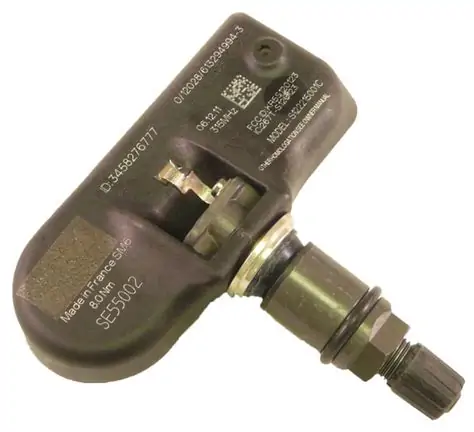
Discover the significance, benefits, and maintenance of Dill TPMS sensors, along with installation tips to ensure your vehicle’s safety and performance.In the world of automotive safety, the Tire Pressure Monitoring System (TPMS) sensor plays a crucial role in ensuring that your vehicle operates efficiently and safely. Among the various TPMS options available, Dill TPMS sensors stand out for their reliability and advanced technology. This blog post will delve into what a TPMS sensor is and emphasize the importance of opting for Dill TPMS sensors in your vehicle. We will explore the numerous benefits these sensors offer, provide guidance on their installation, and share tips for ongoing maintenance to keep them functioning optimally. Whether you’re a car enthusiast or a casual driver, understanding the value of Dill TPMS sensors can help you enhance your driving experience and vehicle safety.
What is a TPMS Sensor?
A Tire Pressure Monitoring System (TPMS) sensor is a vital component in modern vehicles designed to monitor the air pressure in your car’s tires. It serves as an early warning system that alerts drivers when tire pressure falls below the recommended level, ensuring safety and enhancing vehicle efficiency.
There are two main types of TPMS sensors: Direct TPMS and Indirect TPMS.
| Type of TPMS | Description |
|---|---|
| Direct TPMS | Uses pressure sensors mounted inside each tire to measure air pressure directly and provides real-time data to the driver. |
| Indirect TPMS | Utilizes the vehicle’s ABS (Anti-lock Braking System) to measure the speed of the tires and estimates tire pressure based on rotational speed. |
Understanding the function of a TPMS sensor is crucial for vehicle maintenance and safety. By providing timely alerts, these sensors help drivers avoid potential tire blowouts and improve fuel efficiency, ultimately contributing to a smoother and safer driving experience.
TPMS sensors are not just a feature; they are a necessity for responsible vehicle ownership.
Importance of Dill TPMS
The Tire Pressure Monitoring System (TPMS) is a critical component in modern vehicle safety and maintenance. Among the various TPMS options available on the market, the Dill TPMS stands out due to its advanced technology and reliable performance. Here are several reasons highlighting the importance of Dill TPMS:
- Enhanced Safety: Maintaining proper tire pressure is essential for vehicle safety. A Dill TPMS continuously monitors tire pressure, alerting drivers to any deviations that could lead to potential blowouts or loss of control.
- Improved Fuel Efficiency: Under-inflated tires can significantly reduce fuel efficiency. By ensuring optimal tire pressure, Dill TPMS helps drivers save on fuel costs, making it an economical choice.
- Prolonged Tire Life: Regular monitoring and maintenance of tire pressure can extend the lifespan of tires. The Dill TPMS helps in preventing uneven wear and tear, which is often caused by incorrect tire pressure.
- Compliance with Regulations: Many regions have regulations requiring TPMS in vehicles. Utilizing Dill TPMS ensures compliance with these laws, avoiding potential fines and enhancing road safety.
According to a study by the National Highway Traffic Safety Administration (NHTSA), properly inflated tires can improve vehicle safety and performance while reducing the risk of accidents. This makes investing in a reliable system like the Dill TPMS not just beneficial, but crucial for every vehicle owner.
A well-maintained tire pressure monitoring system is not just a convenience; it’s a necessity for safe driving. – Automotive Safety Expert
In addition to these benefits, the Dill TPMS features advanced alerts and notifications, allowing drivers to take action promptly. By prioritizing tire health with Dill TPMS, drivers ensure their safety, save costs, and protect their vehicles on the road.
Benefits of Dill TPMS
The Dill TPMS (Tire Pressure Monitoring System) is a crucial component in modern vehicles. Understanding its benefits can help vehicle owners appreciate its importance in ensuring safety and efficiency on the road.
1. Enhanced Safety
One of the primary benefits of the Dill TPMS is enhanced safety. By constantly monitoring tire pressure, the system provides real-time data, alerting drivers to any significant drop in tire pressure. This feature minimizes the risk of tire blowouts and accidents caused by under-inflated tires.
2. Improved Fuel Efficiency
Properly inflated tires contribute to improved fuel efficiency. The Dill TPMS helps maintain optimal tire pressure, which can lead to better mileage. Studies show that for every 1 psi drop in tire pressure, fuel efficiency can decrease by about 0.2%. Keeping tires at the correct pressure can lead to substantial savings at the pump.
3. Prolonged Tire Life
By ensuring that tires are consistently at the right pressure, the Dill TPMS can help prolong the lifespan of tires. Over-inflated or under-inflated tires wear unevenly, leading to premature tire replacement. Maintaining optimal pressure can thus save money in the long run.
4. Environmental Benefits
With improved fuel efficiency comes reduced carbon emissions. When tires are kept at the correct pressure by the Dill TPMS, vehicles consume less fuel, thus contributing to lower greenhouse gas emissions. This is a significant advantage for environmentally conscious drivers.
5. User-Friendly Features
- Easy Installation: The Dill TPMS is designed for hassle-free installation, making it accessible for both professional mechanics and DIY enthusiasts.
- Reliable Alerts: The system provides reliable alerts to notify drivers when tire pressure falls below optimal levels, ensuring timely action can be taken.
- Durability: Dill TPMS sensors are built to last, offering robust performance under various weather conditions.
Quote
“A well-maintained tire can be the difference between a safe journey and an unexpected disaster. The Dill TPMS takes the guesswork out of tire maintenance.”
By investing in a Dill TPMS, vehicle owners not only enhance their driving experience but also contribute to safer roads and a healthier planet.
Installing Dill TPMS Sensor
When it comes to ensuring the safety and efficiency of your vehicle, understanding how to install a Dill TPMS sensor is crucial. Tire Pressure Monitoring System (TPMS) sensors play a vital role in alerting drivers about the tire pressure status, helping prevent tire blowouts and improving fuel efficiency.
Here’s a simple guide to help you through the installation process of a Dill TPMS sensor:
Tools Needed:
- TPMS Tool – Used for programming the sensor
- Socket Wrench – For removing the tires
- Tire Pressure Gauge – To check tire pressure
- Safety Glasses – Always prioritize safety!
Step-by-Step Installation:
- Prepare Your Vehicle: Ensure that your vehicle is parked on a flat surface. Turn off the engine and put on your safety glasses.
- Remove The Tire: Use the socket wrench to loosen the lug nuts and remove the tire from the wheel hub.
- Access The TPMS Sensor: Locate the TPMS sensor inside the tire. It is typically mounted on the valve stem.
- Install the New Dill TPMS Sensor:
- Remove the old sensor and attach the new Dill TPMS sensor to the valve stem.
- Tighten it securely, ensuring it is properly seated to prevent leaks.
- Reinstall The Tire: Place the tire back onto the wheel hub and tighten the lug nuts in a crisscross pattern.
- Program the Sensor: Use your TPMS tool to program the new sensor to sync with your vehicle’s monitoring system.
- Check Tire Pressure: Use a tire pressure gauge to ensure that all tires are at recommended pressure levels, including the one you just installed.
- Test Drive: Take your vehicle for a short drive to ensure that the new Dill TPMS sensor is functioning correctly. Check the dashboard for any warning lights.
Important Tips:
Always follow the manufacturer’s instructions when installing a Dill TPMS sensor to ensure optimal performance and safety.
By following these steps, you can successfully install a Dill TPMS sensor and contribute to a safer driving experience.
Maintaining Dill TPMS Sensor
The Dill TPMS sensor is an essential component of modern vehicles that helps monitor tire pressure. To ensure its optimal performance and longevity, it’s important to adhere to proper maintenance practices. Here are some key points to consider when maintaining your Dill TPMS sensor:
1. Regular Tire Rotations
To extend the lifespan of your Dill TPMS sensors, make sure to have regular tire rotations done. This process not only promotes even tire wear but also ensures consistent readings from the TPMS.
2. Battery Checks
The battery life of a TPMS sensor can vary, usually lasting between 5 to 10 years. Periodically check the battery status to avoid unexpected sensor failures. If you notice decreased performance, it might be time to replace the sensor.
3. Visual Inspections
Perform routine visual inspections of the Dill TPMS sensor and surrounding area. Look for any signs of damage, dirt, or corrosion that could interfere with performance.
4. Keep Tires Properly Inflated
While the Dill TPMS monitors tire pressure, maintaining the correct inflation levels is crucial. Regularly check and adjust tire pressure following the manufacturer’s specifications.
5. Professional Servicing
During regular maintenance appointments, ensure that your mechanic checks the Dill TPMS sensors to confirm they are functioning correctly. This can prevent issues before they arise.
6. Software Updates
If your vehicle features an integrated system, check for any software updates that may improve the functionality and accuracy of the Dill TPMS sensor.
7. Avoiding Obstructions
Keep the area around the sensor free from debris and obstructions, as these can affect its ability to monitor tire conditions accurately.
By adhering to these maintenance tips, you can ensure your Dill TPMS sensor continues to operate effectively, thereby enhancing your vehicle’s safety and performance.
Frequently Asked Questions
What is a TPMS sensor?
A Tire Pressure Monitoring System (TPMS) sensor is a device that monitors the air pressure inside pneumatic tires on various types of vehicles to ensure optimal performance and safety.
What does ‘Dill’ refer to in the context of TPMS sensors?
Dill is a brand known for producing high-quality TPMS sensors and related products for various vehicle applications.
Why are TPMS sensors important for vehicle safety?
TPMS sensors are important because they help maintain proper tire pressure, which can enhance fuel efficiency, reduce tire wear, and significantly lower the risk of tire blowouts.
How do you know if a TPMS sensor is malfunctioning?
Signs of a malfunctioning TPMS sensor may include a warning light on the dashboard, inaccurate readings, or inconsistent tire pressure notifications.
Can you replace a TPMS sensor yourself?
While it is possible to replace a TPMS sensor yourself, it often requires specialized tools and knowledge; many vehicle owners prefer to have it done by a professional.
What should you do if your TPMS warning light comes on?
If the TPMS warning light comes on, check the tire pressures immediately and inflate them to the recommended levels; if the light persists, consult a professional for further inspection.
How often should TPMS sensors be checked or replaced?
TPMS sensors should be checked during regular tire maintenance and replaced every 5 to 10 years, or as recommended by the vehicle manufacturer.