
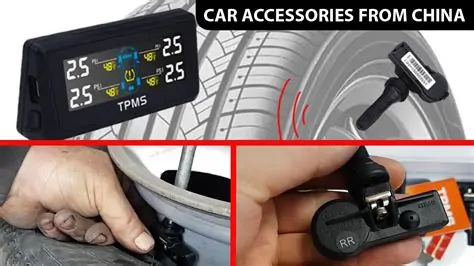
Explore the essentials of TPMS sensors, including compatibility, programming, and the impact on warranty and liability before making a switch.When it comes to vehicle safety and maintenance, understanding Tire Pressure Monitoring System (TPMS) sensors is crucial for every car owner. These sensors not only alert drivers to low tire pressure but also enhance overall safety on the road. However, you might find yourself wondering if you can use TPMS sensors from another car when you need replacements. In this blog post, we’ll explore the intricacies of TPMS sensors, including their compatibility, key considerations before making a switch, the programming process involved, and how using sensors from another vehicle might impact your warranty and liability. Whether you’re a car enthusiast or simply looking to save on maintenance costs, this guide will help you navigate the complexities of TPMS sensor replacement and ensure your vehicle remains safe and road-ready.
Understanding TPMS Sensors
Tire Pressure Monitoring Systems (TPMS) are essential components in modern vehicles, designed to monitor the air pressure in tires and alert drivers when tire pressure is dangerously low. Understanding how TPMS sensors work is crucial for vehicle maintenance and safety.
What are TPMS Sensors?
TPMS sensors are small devices mounted inside or outside each tire that measure tire pressure and temperature. There are two main types of TPMS:
- Direct TPMS: These sensors directly measure the pressure in each tire using pressure sensors that communicate with the vehicle’s onboard computer system.
- Indirect TPMS: This system uses the vehicle’s ABS (Anti-lock Braking System) sensors to calculate tire pressure indirectly by measuring wheel speed.
How Do They Work?
TPMS sensors continuously monitor tire pressure and send this information to the vehicle’s onboard computer system. If the pressure in a tire drops below the recommended level, the system triggers a warning light on the dashboard, alerting the driver to take action.
Why are TPMS Sensors Important?
Maintaining the correct tire pressure is vital for several reasons:
- Safety: Under-inflated tires can lead to blowouts, increasing the risk of accidents.
- Fuel Efficiency: Properly inflated tires can improve fuel economy, saving money on gas.
- Tire Longevity: Correct pressure extends the life of the tires by preventing uneven wear.
Key Features of TPMS Sensors
| Feature | Description |
|---|---|
| Battery Life | Most TPMS sensors have a battery life of 5-10 years, but it can vary based on usage. |
| Temperature Sensitivity | TPMS sensors can also monitor temperature, as it affects tire pressure. |
| Signal Range | They typically communicate with the vehicle at a range of up to 100 meters. |
In summary, TPMS sensors are crucial for vehicle safety, efficiency, and performance. Understanding their functionality helps drivers take better care of their vehicles and ensures a safe driving experience.
Compatibility of TPMS Sensors
Tire Pressure Monitoring Systems (TPMS) are essential components in modern vehicles that help monitor the air pressure in tires. However, when it comes to using TPMS sensors from another car, understanding their compatibility is crucial. Here are some key points to consider:
- Vehicle Make and Model: TPMS sensors are often designed specifically for certain makes and models. Always check if the sensors from the donor car are compatible with your vehicle’s brand and model.
- Sensor Frequency: TPMS sensors operate on either 315 MHz or 433 MHz frequencies. Make sure the sensors you wish to use match the frequency required by your vehicle.
- Type of TPMS: There are two types of TPMS: Direct and Indirect. Ensure that you are not mixing up sensors from a direct TPMS system with those from an indirect system, as they function differently.
It’s also worth remembering that even if the physical characteristics of the sensors seem similar, programming and the internal algorithms can vary between manufacturers. Using sensors that are not specifically designed for your vehicle may lead to inaccurate readings or system malfunctions.
Important: Always refer to your vehicle’s owner manual or consult a professional to determine the best TPMS sensor options for your specific needs.
In summary, compatibility is key when considering using TPMS sensors from another car. Ensure that all the specifications align to guarantee proper performance and maintain safety on the road.
Considerations Before Switching Sensors
When it comes to TPMS (Tire Pressure Monitoring System) sensors, switching sensors can be a complex decision that requires careful consideration. Here are some key factors to keep in mind before making the switch:
- Compatibility: Not all TPMS sensors are interchangeable. You need to ensure that the sensors you plan to switch to are compatible with your vehicle’s make and model. Refer to the manufacturer’s specifications or consult a professional.
- Frequency: TPMS sensors operate on specific radio frequencies. Check if the new sensors operate at the same frequency as your existing ones, as mismatched frequencies can lead to communication problems.
- Calibration: After switching sensors, it’s often necessary to recalibrate the TPMS system. This ensures that the vehicle’s computer correctly recognizes the new sensors and their readings.
- Battery Life: Consider the battery life of the new sensors. Some sensors have a limited lifespan, and if you’re switching to used sensors, be aware that their battery may be significantly worn out.
- Cost: Analyze the cost-effectiveness of switching sensors. Sometimes, it may be more economical to purchase new sensors rather than switching from another vehicle, especially if the original sensors are still functional.
- Legal Regulations: Ensure that switching to aftermarket sensors complies with local regulations and standards, as failure to do so may lead to legal issues.
- Professional Assistance: If unsure about the process, consider seeking help from a qualified technician. They can provide insights and assistance that might save you time and trouble.
By weighing these considerations carefully, you can make an informed decision about switching TPMS sensors. Always prioritize the safety and performance of your vehicle while considering the options available to you.
Programming TPMS Sensors
Programming TPMS (Tire Pressure Monitoring System) sensors is a crucial aspect of ensuring the safe and efficient functioning of your vehicle’s tire monitoring system. TPMS sensors are designed to alert drivers when tire pressure is too low, which can lead to increased tire wear, decreased fuel efficiency, or even tire blowouts. Properly programming these sensors ensures accurate readings and reliable alerts.
Why Programming is Important
When replacing or installing new TPMS sensors, programming is necessary to ensure that your vehicle’s ECU (Engine Control Unit) recognizes the new sensors. Here are a few key reasons why programming is essential:
- Compatibility: Ensures the new sensors are compatible with your vehicle’s system.
- Functionality: Allows new sensors to communicate correctly with the vehicle, preventing warning lights and alerts.
- Accuracy: Provides precise tire pressure readings which can affect driving safety.
How to Program TPMS Sensors
Here are the general steps to program TPMS sensors:
- Check the Sensor Type: Determine whether your TPMS sensors are directly or indirectly monitored. Most modern vehicles use direct monitoring sensors.
- Use a TPMS Tool: Invest in a reliable TPMS programming tool which can communicate with your vehicle’s systems. Many auto shops have these tools available.
- Access the Vehicle’s ECU: Connect the tool and access the ECU to start the programming process as per the manufacturer’s guidelines.
- Follow On-Screen Instructions: Each vehicle might have different requirements; follow the precise instructions provided by the tool.
- Verify Sensor ID: Once programmed, verify that the correct sensor IDs are displayed and all sensors are functioning properly.
Common Issues When Programming
Here are some common problems you might encounter:
- Sensor Not Detected: This can happen if the sensors are not properly installed or are incompatible with the vehicle.
- Incorrect Sensor ID: Ensure that the ID number of the sensor matches what is stored in the ECU to avoid errors.
- Failed Configuration: If you encounter constant warning lights, recheck the programming steps.
Final Thoughts
Properly programming TPMS sensors is vital for maintaining tire health and ensuring your safety on the road. When in doubt, consult a professional technician who can assist with the programming process or troubleshoot any issues that arise during the installation of your TPMS sensors.
Effect on Warranty and Liability
When it comes to TPMS sensors (Tire Pressure Monitoring System sensors), understanding the impact of using sensors from another vehicle is crucial. If you’re considering this option, there are several factors regarding warranty and liability you should keep in mind.
Using TPMS sensors that are not specifically designed for your vehicle can potentially void your vehicle’s warranty. Manufacturers typically specify that only OEM (Original Equipment Manufacturer) parts should be used to maintain warranty validity. If a sensor from another car causes a malfunction or damage, the manufacturer may claim that the use of improper components led to the issue.
Here are some considerations:
- Manufacturer Policies: Each manufacturer has distinct policies regarding warranty coverage. Check your owner’s manual or contact your dealership to understand their stance on using non-OEM TPMS sensors.
- Liability for Damage: If you use sensors from another vehicle and they lead to tire issues or accidents, you may be held liable. Liability can extend to damages caused by a malfunctioning tire pressure monitoring system.
- Resale Value: Using non-compatibility parts might affect the resale value of your vehicle. Future buyers may hesitate to purchase a car that has had unauthorized modifications.
It’s also important to consider that TPMS sensors interact with the vehicle’s onboard computer system. If the sensors are not compatible, they could lead to erroneous readings, which might cause you to ignore critical tire pressure warnings. This could further endanger your safety on the road.
“Using parts designed for a different vehicle can lead to unforeseen consequences, not just mechanical issues but also legal repercussions.”
Therefore, while there may be a temptation to utilize TPMS sensors from another car, the potential ramifications on warranty, liability, and safety make it a risky endeavor. Always consult with a professional to ensure you’re making informed choices about your vehicle’s components.
Frequently Asked Questions
What are TPMS sensors?
TPMS sensors are Tire Pressure Monitoring System sensors that detect the air pressure inside the tires and send this data to the vehicle’s onboard computer.
Can I use TPMS sensors from a different make or model of car?
In general, you can use TPMS sensors from a different vehicle, but you need to ensure they are compatible with your car’s system. Different vehicles may have different communication protocols.
Are there any risks involved in using TPMS sensors from another car?
Yes, using incompatible sensors can lead to issues such as incorrect tire pressure readings or malfunctions in the TPMS, potentially compromising safety.
How do I know if the TPMS sensors from another car are compatible?
To determine compatibility, check the part number on the sensors and compare it with your vehicle’s specifications. Consulting with a professional or the vehicle manufacturer can also help.
What should I do if I can’t find the same TPMS sensors?
If you cannot find the exact TPMS sensors for your vehicle, consider purchasing new sensors that are specified for your make and model, ensuring proper functionality.
Will I need to reprogram the TPMS sensors if I switch to sensors from another car?
Yes, most vehicles will require reprogramming of the TPMS sensors after installation to ensure they function correctly and communicate with your vehicle’s system.
What are the consequences of using the wrong TPMS sensors?
Using the wrong TPMS sensors can lead to false warnings, inability to monitor tire pressure accurately, and even potential safety hazards while driving.