
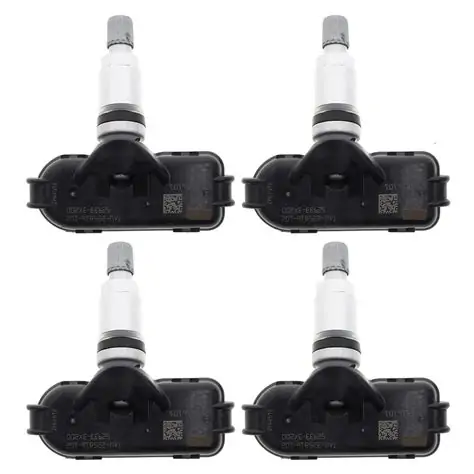
Learn about TPMS sensors, their importance, signs of faults, replacement costs, and tips for maintenance to ensure safe driving.When it comes to vehicle safety and efficiency, the Tire Pressure Monitoring System (TPMS) plays a crucial role in ensuring optimal performance. The 2013 Hyundai Elantra, like many modern cars, is equipped with this advanced technology to help monitor tire pressure in real-time. But what happens when the TPMS sensor is not functioning correctly? In this blog post, we’ll explore the ins and outs of TPMS sensors, including their importance, signs of failure, and the costs associated with replacements. We’ll also provide valuable tips for maintaining these sensors to keep your Elantra running smoothly and safely. Whether you’re a seasoned car owner or new to the Hyundai brand, understanding your TPMS is essential for road safety and vehicle longevity.
What is a TPMS sensor?
A TPMS sensor, or Tire Pressure Monitoring System sensor, is a crucial component in modern vehicles, including the 2013 Hyundai Elantra. This electronic device is designed to monitor the air pressure inside your vehicle’s tires, providing real-time data to ensure safe driving conditions.
TPMS sensors come in two types: direct and indirect. Direct TPMS sensors are mounted on the valve stems of each tire, measuring the actual tire pressure. If the pressure drops below a certain threshold, a warning light illuminates on the dashboard, alerting the driver. Indirect TPMS, on the other hand, estimates tire pressure based on wheel speed data from the vehicle’s ABS system, which can be less accurate.
The primary objective of the TPMS sensor is to enhance safety by reducing the risk of tire blowouts and improving fuel efficiency. Driving with properly inflated tires not only ensures safer handling but also extends the lifespan of the tires.
| Type of TPMS Sensor | Description |
|---|---|
| Direct TPMS | Measures tire pressure using sensors installed in each tire. |
| Indirect TPMS | Estimates tire pressure based on wheel speed sensors. |
In summary, the TPMS sensor plays a vital role in vehicle safety and efficiency, making it an essential feature in your 2013 Hyundai Elantra.
Signs of a faulty TPMS sensor
The Tire Pressure Monitoring System (TPMS) is a vital component in modern vehicles, including the 2013 Hyundai Elantra. It is essential for ensuring proper tire pressure, enhancing safety, and improving fuel efficiency. However, when the TPMS sensor malfunctions, it can lead to various issues. Here are some common signs of a faulty TPMS sensor:
| Sign | Description |
|---|---|
| Warning Light | If the TPMS warning light illuminates on the dashboard and stays on, it is a clear indication that the system has detected a problem. |
| Inaccurate Tire Pressure Reading | Fluctuations in reported tire pressures, or readings that don’t match the actual tire pressure, can signify a faulty sensor. |
| TPMS Reset Issues | If the system fails to reset after adjusting tire pressures or replacing tires, it may indicate a failure in the TPMS sensor. |
| Frequent Alerts | Receiving repeated alerts for low tire pressure, even after inflating the tires, suggests a malfunctioning TPMS sensor. |
| Physical Damage | Inspection of tire valves may reveal visible damage or wear, which can affect the performance of TPMS sensors. |
If you notice any of these signs, it’s crucial to address the issue promptly. A faulty TPMS sensor not only compromises your vehicle’s performance but can also lead to safety risks while driving.
Remember: Regular maintenance of your TPMS can prevent sudden f
Importance of TPMS sensors
Tire Pressure Monitoring Systems (TPMS) sensors are an essential component in modern vehicles, including the 2013 Hyundai Elantra. Understanding the importance of these sensors can help drivers ensure not only their safety but also the longevity of their vehicle. Here are some reasons why TPMS sensors are crucial:
- Enhanced Safety: Proper tire pressure is vital for safe vehicle operation. Under-inflated or over-inflated tires can lead to blowouts or loss of control. TPMS sensors monitor tire pressure in real-time and alert the driver when it falls below or exceeds recommended levels.
- Improved Fuel Efficiency: Maintaining the correct tire pressure reduces rolling resistance, which can enhance fuel efficiency. A well-functioning TPMS can help ensure your tires are always at the optimal pressure, potentially saving you money at the pump.
- Reduced Tire Wear: Consistent tire pressure contributes to even tire wear. By regularly monitoring with TPMS sensors, drivers can extend the life of their tires, reducing replacement costs and environmental impact.
- Prevention of Damage: Fluctuations in tire pressure can lead to significant damage over time. A faulty TPMS can allow issues to go unnoticed, leading to costly repairs that could have been avoided with timely intervention.
- Regulatory Compliance: Many regions have laws requiring TPMS in vehicles. For instance, in the United States, the TREAD Act mandates that all vehicles manufactured post-2007 be equipped with TPMS. Having a functioning system ensures compliance and reduces potential legal issues.
In conclusion, the importance of TPMS sensors cannot be overstated. They play a critical role in maintaining vehicle safety, enhancing fuel efficiency, minimizing tire wear, preventing damage, and ensuring compliance with regulatory standards. For owners of the 2013 Hyundai Elantra, being proactive about TPMS sensor maintenance is key to a safer driving experience.
Cost of replacing TPMS sensors
When it comes to maintaining your vehicle, one crucial component to consider is the TPMS (Tire Pressure Monitoring System) sensor. For the 2013 Hyundai Elantra, understanding the cost of replacing TPMS sensors can help you budget for necessary repairs and ensure safe driving conditions.
The cost of replacing a TPMS sensor can vary based on several factors:
| Factor | Estimated Cost |
|---|---|
| Dealer Service | $100 – $150 per sensor |
| Independent Mechanic | $80 – $120 per sensor |
| DIY Replacement | $30 – $60 per sensor (excluding tools) |
Additionally, there are some common reasons that might influence the overall cost:
- Sensor Type: Different types of sensors (direct or indirect) can have variable prices.
- Location: Prices may vary by region or service provider, with dealers typically charging more.
- Labor Costs: Some shops may charge higher rates for labor, affecting your total expense.
Furthermore, it’s important to note that while the cost of an individual TPMS sensor might seem manageable, many vehicles require a complete set of four sensors. Therefore, the overall cost can quickly add up. Replacing all four TPMS sensors might range from $300 to $600 depending on the factors mentioned above.
Lastly, consider the importance of maintaining your TPMS. Investing in timely sensor replacements not only ensures your safety but also enhances your vehicle’s fuel efficiency and tire longevity.
Tips for maintaining TPMS sensors
Maintaining your TPMS sensors (Tire Pressure Monitoring System sensors) is essential for ensuring the optimal performance of your vehicle, particularly in models like the 2013 Hyundai Elantra. Here are some effective tips to help you keep your TPMS sensors in excellent condition:
1. Regularly Check Tire Pressure
One of the best ways to maintain your TPMS sensors is to regularly check your tire pressure. Ensure that your tires are inflated to the recommended levels specified in your vehicle’s manual. This not only helps your TPMS function correctly but also improves fuel efficiency and extends tire lifespan.
2. Be Mindful of Tire Changes
When changing tires, always ensure that your TPMS sensors are properly transferred or replaced. Incorrect handling can damage the sensors. Make sure to have your new tires installed by a professional who understands the importance of TPMS.
3. Keep the Sensors Clean
Dirt and debris can affect the function of your TPMS sensors. Regularly clean the area around the sensors during tire rotations or maintenance check-ups. This ensures that the sensors can communicate accurate pressure readings.
4. Monitor for Warning Lights
If you notice any warning lights flashing on your dashboard related to tire pressure, do not ignore them. Investigate promptly to identify whether it’s a sensor malfunction or genuinely low tire pressure. Responding quickly can prevent further damage.
5. Have Your TPMS System Serviced
Consider having your TPMS system checked during regular vehicle maintenance. A professional can diagnose any potential issues before they worsen and ensure that all components are functioning as intended.
6. Replace Faulty Sensors
If a sensor has been damaged or is malfunctioning, replace it immediately. Delaying replacement can lead to inaccurate pressure readings, affecting safety and driving conditions.
7. Pay Attention to Temperature Changes
Temperature fluctuations can impact tire pressure. Be vigilant about checking your tire pressure when seasons change, as this can affect the accuracy of your TPMS sensors.
8. Use Quality Parts
When replacing any components related to your TPMS, make sure to use high-quality parts that are compatible with your 2013 Hyundai Elantra. This helps maintain the functionality and longevity of your TPMS sensors.
By following these tips, you can help ensure that your TPMS sensors remain in optimal condition, allowing for safe and efficient driving experiences.
Frequently Asked Questions
What is the purpose of the TPMS sensor in a 2013 Hyundai Elantra?
The TPMS (Tire Pressure Monitoring System) sensor in a 2013 Hyundai Elantra is designed to monitor the air pressure in the tires. It alerts the driver when tire pressure is too low, helping to prevent tire blowouts and improve fuel efficiency.
How can I check if the TPMS sensor in my 2013 Hyundai Elantra is functioning properly?
You can check the functionality of the TPMS sensor by observing the dashboard warning light. If the TPMS light is illuminated while driving, it may indicate a problem with the tire pressure or the sensor itself.
What should I do if the TPMS light stays on in my 2013 Hyundai Elantra?
If the TPMS light remains on, check the tire pressures using a gauge. If all tires are properly inflated and the light is still on, there might be an issue with the TPMS sensor, and you may need to have it inspected by a professional.
How do I reset the TPMS sensor after changing a tire on my 2013 Hyundai Elantra?
To reset the TPMS sensor after changing a tire, start the vehicle and press the TPMS reset button, usually found under the steering column or in the glove compartment. Drive the car for about 10 minutes to allow the system to recognize the new sensor.
Can I replace the TPMS sensor in my 2013 Hyundai Elantra myself?
Yes, you can replace the TPMS sensor yourself, but it requires some technical knowledge and the right tools. It’s essential to ensure that the new sensor is compatible with your vehicle and properly programmed.
What are potential signs of a malfunctioning TPMS sensor in a 2013 Hyundai Elantra?
Signs of a malfunctioning TPMS sensor include the warning light blinking continuously, erratic readings of tire pressure, or the light illuminating even when tire pressure is adequate.
Is it necessary to replace the TPMS sensors when changing tires on my 2013 Hyundai Elantra?
It is not always necessary to replace TPMS sensors when changing tires, but if the sensors are old, damaged, or have a low battery, it’s a good idea to replace them to ensure reliable monitoring.