
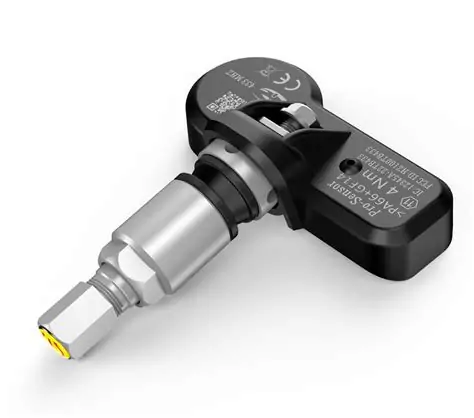
Discover the significance, benefits, installation tips, common issues, and maintenance advice for 433 MHz TPMS sensors to enhance your vehicle’s safety and performance.The 433 MHz TPMS (Tire Pressure Monitoring System) sensor is an essential component in modern vehicles, designed to enhance safety and fuel efficiency by monitoring tire pressure in real-time. With the increasing awareness of the importance of maintaining proper tire pressure, understanding how a 433 MHz TPMS sensor works and its benefits has never been more crucial for car owners. This blog post will delve into the ins and outs of 433 MHz TPMS sensors, covering their benefits, installation process, common issues encountered, and essential maintenance tips to keep them functioning effectively. Whether you’re a seasoned car enthusiast or a new vehicle owner, this guide will equip you with the knowledge needed to ensure your vehicle’s tires are always in optimal condition. Let’s explore the world of 433 MHz TPMS sensors together!
What is a 433 MHz TPMS Sensor?
A 433 MHz TPMS (Tire Pressure Monitoring System) sensor is a crucial component in modern vehicles, designed to monitor the air pressure in tires. Operating at a frequency of 433 MHz, these sensors provide real-time data to the vehicle’s onboard computer. This information helps ensure that tires are properly inflated, which is essential for safety, fuel efficiency, and overall vehicle performance.
TPMS sensors can be categorized into two types: direct and indirect. Direct TPMS uses sensors mounted on each tire to measure pressure, whereas indirect TPMS estimates tire pressure based on wheel speed and other parameters. The 433 MHz TPMS sensors fall under the direct category, offering more accurate and immediate readings.
These sensors are typically powered by batteries and transmit pressure readings to the vehicle’s dashboard, alerting the driver if tire pressure is too low. An alert can often be seen as a warning light on the dashboard, prompting immediate action to prevent potential blowouts or reduced fuel efficiency.
In summary, a 433 MHz TPMS sensor plays a vital role in vehicle safety and performance by ensuring that tires maintain proper pressu
Benefits of Using 433 MHz TPMS Sensors
The 433 MHz TPMS (Tire Pressure Monitoring System) sensors are becoming increasingly popular in the automotive industry. These sensors are designed to monitor tire pressure and provide real-time data to the driver. Understanding the benefits of using these sensors can help car owners make informed decisions regarding tire maintenance and safety.
1. Enhanced Safety
One of the primary benefits of using 433 MHz TPMS sensors is enhanced safety. Maintaining optimal tire pressure is crucial for vehicle stability and control. Under-inflated or over-inflated tires can lead to:
- Reduced traction
- Increased stopping distance
- Higher risk of tire blowouts
With TPMS sensors, drivers are alerted to any significant changes in tire pressure, allowing them to take corrective measures before issues arise.
2. Improved Fuel Efficiency
Properly inflated tires contribute to better fuel economy. According to the U.S. Department of Energy, for every 1 PSI drop in tire pressure, fuel economy can decrease by 0.2%. By utilizing 433 MHz TPMS sensors, drivers can ensure their tires are always at the ideal pressure, which can lead to significant cost savings on fuel in the long run.
3. Cost Savings on Tire Replacements
Maintaining the right tire pressure can extend the lifespan of tires. When tires are consistently under or over-inflated, they wear unevenly and can require premature replacement. By being proactive with 433 MHz TPMS sensors, vehicle owners can avoid costly tire replacements and maximize their investment in their tires.
4. Easy Installation and Integration
433 MHz TPMS sensors are user-friendly and can be easily integrated with existing vehicle systems. Many modern vehicles come equipped with these sensors, but they can also be added to older models without extensive modifications. This ease of installation makes them an attractive option for both new and used vehicles.
5. Real-time Monitoring
Unlike manual checks, 433 MHz TPMS sensors provide real-time data, allowing drivers to be continuously aware of their tire conditions. This immediate feedback helps in making timely decisions related to tire pressure adjustments and maintenance.
6. Environmental Benefits
By improving fuel efficiency and reducing tire waste, 433 MHz TPMS sensors also contribute positively to the environment. Less fuel consumption means fewer emissions, and extended tire life reduces the number of tires that end up in landfills.
In summary, the advantages of 433 MHz TPMS sensors are numerous and beneficial, enhancing safety, promoting fuel efficiency, and contributing to overall vehicle performance. For any car owner, investing in these sensors is a smart choice that pays dividends in the long run.
Installation of 433 MHz TPMS Sensors
Installing a 433 MHz TPMS sensor involves a series of steps that ensure proper functionality and accuracy of your tire pressure monitoring system (TPMS). Below is a guide that will help you through the installation process.
Tools and Materials Needed
- 433 MHz TPMS sensors
- Tire changing equipment
- Tire pressure gauge
- Torque wrench
- Sealant (if applicable)
Step-by-Step Installation Process
- Prepare Your Vehicle: Ensure your vehicle is parked on a flat surface, and engage the parking brake. Remove any wheel covers that may obstruct access to the tires.
- Remove the Tire: Use tire changing equipment to loosen and remove the lug nuts. Carefully take the tire off the wheel hub.
- Install the Sensor:
Before installation, ensure that the sensor is compatible with your vehicle’s TPMS system.Attach the 433 MHz TPMS sensor to the valve stem of the tire. It’s vital to follow the manufacturer’s guidelines for sensor positioning.
- Reassemble the Tire: Place the tire back onto the wheel hub. Ensure that the sensor is securely fitted to the valve. Tighten the lug nuts to manufacturer specifications using a torque wrench.
- Inflate the Tire: Inflate the tire to the recommended pressure as specified in your vehicle’s manual or on the sticker inside the driver’s door.
- Calibrate the TPMS System: It’s essential to calibrate the TPMS system after installation. Follow the specific calibration procedure outlined in your vehicle’s manual to ensure proper monitoring.
Final Checks
Once you have installed the 433 MHz TPMS sensors, conduct a final check:
- Ensure that all lug nuts are tightened correctly.
- Verify that the sensor is transmitting data accurately to the vehicle’s display.
By following these steps, you can successfully install 433 MHz TPMS sensors and improve the safety and performance of your vehicle.
Common Issues with 433 MHz TPMS Sensors
The 433 MHz TPMS (Tire Pressure Monitoring System) sensors are essential components in modern vehicles, designed to help monitor tire pressure and ensure safe driving. However, like any technology, they are not without their share of common issues. Below are some prevalent problems that users may encounter with these sensors:
| Issue | Description |
|---|---|
| Battery Failure | The most common issue is battery failure, as the sensors use batteries that typically last 5-10 years. A dead battery will cause the sensor to stop functioning. |
| Signal Interference | Interference from other devices operating at the same frequency (e.g., wireless devices, certain radios, or other vehicles’ TPMS) can affect the sensor’s ability to transmit data. |
| Sensor Damage | Physical damage from road hazards or during tire installation can render the sensors inoperative. It’s important to inspect them regularly. |
| Incorrect Installation | Improper installation of the TPMS sensors can lead to malfunction. Ensure that professionals handle the installation to avoid this issue. |
| Low Tire Pressure | While this is not a malfunction of the sensor itself, consistently low tire pressure can trigger warning lights, indicating a need for immediate attention and, sometimes, sensor replacement. |
Addressing these common issues is crucial for maintaining the optimal performance of your 433 MHz TPMS sensors. Regular checks, timely battery replacements, and professional installations can significantly reduce the incidence of these problems.
Preventive maintenance is the best way to avoid common is
Tips for Maintaining 433 MHz TPMS Sensors
Maintaining your 433 MHz TPMS sensors is essential for ensuring that your tire pressure monitoring system operates efficiently. Here are some tips to help you keep your sensors in top shape:
- Regularly Check Tire Pressure: Always monitor your tire pressure on a regular basis. This can help identify any discrepancies before they lead to sensor issues.
- Proper Installation: Ensure that your TPMS sensors are correctly installed. If you are replacing tires or sensors, make sure the installation is performed by a professional.
- Battery Replacement: Be mindful of the sensor’s battery life. Most 433 MHz TPMS sensors have a lifespan of 5-10 years. If the battery is low, it may not provide accurate readings.
- Clean the Sensors: Keep the sensor area free from dirt and debris. Dirty sensors can provide false readings, so gently clean them if needed.
- Software Updates: Some vehicles may have software that governs the TPMS. Check with your manufacturer for any updates that could optimize the performance of your sensors.
- Monitor for Warning Lights: Pay attention to your dashboard warning indicators. If the TPMS light illuminates, it’s crucial to diagnose the problem immediately.
- Avoid Overinflation: Ensure that your tires are not overinflated. This can place unnecessary stress on the TPMS sensors and lead to failure.
By following these maintenance tips, you can extend the life of your 433 MHz TPMS sensors and ensure they function properly, providing you with accurate tire pressure readings for a safer driving experience.
Frequently Asked Questions
What is a 433 MHz TPMS sensor?
A 433 MHz TPMS (Tire Pressure Monitoring System) sensor is a device used in vehicles to monitor tire pressure and ensure optimal tire performance. It communicates with the vehicle’s onboard system at a frequency of 433 MHz.
Why is the frequency of 433 MHz important for TPMS sensors?
The frequency of 433 MHz is important because it is a standard frequency used in many TPMS devices, allowing for effective communication between the sensors and the vehicle’s central system.
How do 433 MHz TPMS sensors work?
433 MHz TPMS sensors work by measuring the air pressure within the tire and transmitting this information wirelessly to the vehicle’s ECU (Electronic Control Unit). If the tire pressure falls below a designated level, the system alerts the driver.
Can I replace a TPMS sensor with a different frequency?
No, you should not replace a TPMS sensor with one of a different frequency. The vehicle’s system is designed to operate with a specific frequency, such as 433 MHz, and using a different frequency may cause communication failures.
What are the benefits of using a 433 MHz TPMS sensor?
Benefits include improved safety through constant monitoring of tire pressure, increased fuel efficiency due to properly inflated tires, and extended tire life by preventing under-inflation and over-inflation.
How can I tell if my 433 MHz TPMS sensor is malfunctioning?
Signs of a malfunctioning TPMS sensor include a warning light on the dashboard, erratic tire pressure readings, or the inability to reset the system after replacing tires or sensors.
Are there any maintenance tips for my TPMS sensors?
Yes, regular maintenance includes checking tire pressure, ensuring the sensors are correctly installed, and replacing batteries in battery-operated sensors as needed to ensure they function properly.