
Discover the essentials of 433mhz TPMS sensors, including technology, installation, benefits, and tips for choosing the right sensor for your vehicle.Welcome to our comprehensive guide on the 433MHz TPMS sensor, an essential component in modern vehicle tire monitoring systems. As safety and efficiency take center stage in automotive innovation, understanding the role of these sensors is crucial for every driver. With the ability to transmit real-time tire pressure data, the 433MHz TPMS sensor not only enhances vehicle performance but also plays a vital role in preventing accidents caused by tire malfunctions. In this blog post, we will explore the technology behind the 433MHz TPMS, guide you through the installation process, and highlight the numerous benefits it brings to your driving experience. Additionally, we’ll provide tips for choosing the right sensor to ensure optimal functionality. Whether you’re a car enthusiast or simply looking to enhance your safety on the road, this guide has you covered. Let’s dive in!
What is a 433mhz TPMS Sensor?
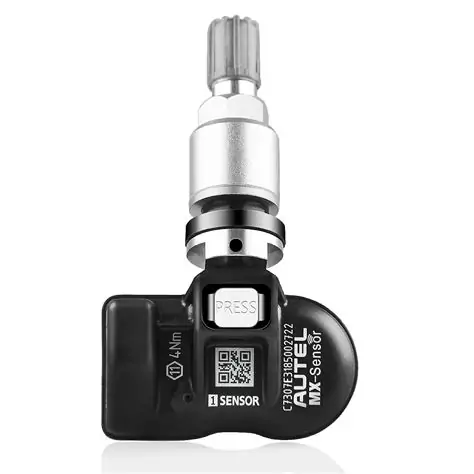
A 433mhz TPMS sensor is an essential component of modern vehicles designed to monitor the tire pressure of your car’s tires. TPMS stands for Tire Pressure Monitoring System, and these sensors operate using a frequency of 433 MHz, which is a common standard used in many tire pressure monitoring systems.
These sensors are usually located inside the tire, attached to the rim, and they continuously monitor the air pressure of each tire. When the tire pressure drops below a predefined threshold, the TPMS sensor activates and sends a signal to the vehicle’s onboard computer system, which will then typically trigger a warning light on the dashboard.
Here’s a breakdown of how the 433mhz TPMS sensors function:
- Monitoring: The sensors keep track of the tire’s air pressure in real-time, ensuring that the driver is always informed about any discrepancies.
- Transmission: Once the sensor detects a drop in tire pressure, it transmits this information via a radio signal at 433 MHz to the vehicle’s TPMS receiver.
- Alarm Activation: The onboard computer interprets this data and activates a warning light on the dashboard, alerting the driver to check the tire pressure.
Overall, incorporating 433mhz TPMS sensors in a vehicle significantly enhances safety and performance by helping to prevent tire blowouts and ensuring efficient fuel consumption. Knowing what these sensors are and how they operate is crucial for any vehicle owner!
The Technology Behind 433mhz TPMS
The 433MHz Tire Pressure Monitoring System (TPMS) is a sophisticated technology designed to enhance vehicle safety and performance. Utilizing wireless communication, this system monitors tire pressure in real-time and alerts drivers to any irregularities. Understanding the technology behind the 433MHz TPMS can provide insights into its functionality and benefits.
Key Components of 433MHz TPMS
- Tire Pressure Sensors: The core component of the system, these sensors directly measure the air pressure and temperature within each tire.
- Receiver/Display Unit: This unit receives data from the sensors and displays it for the driver, usually integrated into the vehicle’s dashboard.
- Wireless Communication: The system operates using a frequency of 433MHz, enabling the exchange of data between sensors and the receiver without the need for wires.
How It Works
The 433MHz TPMS operates in two primary modes: direct and indirect.
| Mode | Functionality |
|---|---|
| Direct TPMS | Sensors inside each tire measure pressure directly and transmit data to the receiver. |
| Indirect TPMS | Utilizes ABS (Anti-lock Braking System) wheel speed sensors to estimate tire pressure based on changes in wheel speed. |
Data Transmission
When tire pressure drops below a predefined threshold, the direct TPMS sensors transmit a warning signal. This signal travels via radio waves to the receiver unit, which processes the information and alerts the driver through visual or audible warnings. This real-time monitoring is crucial for preventing accidents and ensuring optimal vehicle performance.
Advantages of 433MHz TPMS Technology
- Enhanced Safety: By providing real-time alerts, the system helps prevent tire blowouts and improves overall driving safety.
- Improved Fuel Efficiency: Properly inflated tires can enhance fuel economy, reducing overall operating costs.
- Extended Tire Life: Consistent monitoring allows for timely maintenance, helping to extend the lifespan of tires.
In summary, the 433MHz TPMS utilizes cutting-edge technology to monitor tire pressure continuously and communicate vital information to drivers. Its integration into modern vehicles represents a significant advancement in automotive safety and performance.
Installing 433mhz TPMS Sensors
Installing a 433mhz TPMS sensor is a crucial step for maintaining tire health and ensuring a safe driving experience. This guide outlines the essential steps and considerations for successfully installing these sensors.
Required Tools and Materials
- New 433mhz TPMS Sensors
- Tire Pressure Gauge
- Tire Changing Tools
- Socket Wrench
- Tire Sealant (if necessary)
Installation Steps
- Prepare the Vehicle: Ensure that the vehicle is parked on a flat surface, and the engine is turned off.
- Remove the Wheel: Use a socket wrench to loosen and remove the lug nuts. Carefully take off the wheel from the vehicle.
- Deflate the Tire: If you are installing the sensor on a tire that holds air, use a tire changing tool to deflate the tire completely.
- Replace or Install Sensor: Depending on your situation, either replace the old TPMS sensor with a new one or install the new sensor if no existing sensor is present. Ensure the sensor is properly seated in the tire valve.
- Re-inflate the Tire: Once the sensor is securely in place, re-inflate the tire to the manufacturer’s recommended pressure.
- Reattach the Wheel: Place the wheel back on the vehicle and hand-tighten the lug nuts. Once secure, use a socket wrench to tighten them further in a crisscross pattern to ensure even pressure.
- Check Sensor Activation: Start your vehicle and check if the dashboard lights activate properly. The TPMS sensor should communicate with the vehicle to monitor tire pressure.
Post-Installation Checks
After completing the installation, it’s vital to check the functionality of the newly installed 433mhz TPMS sensors:
Monitor tire pressure for accuracy and ensure no warning lights remain illuminated on your dashboard.
Following these steps, you can successfully install 433mhz TPMS sensors and contribute to safer driving through better tire management.
Benefits of 433mhz TPMS Sensors
The 433mhz TPMS (Tire Pressure Monitoring System) sensors offer numerous advantages that enhance vehicle safety, performance, and convenience. Here are some key benefits:
- Improved Safety: By continuously monitoring tire pressure, these sensors help prevent under-inflated tires, which can lead to blowouts and accidents.
- Enhanced Fuel Efficiency: Properly inflated tires can improve fuel efficiency, as under-inflated tires create more rolling resistance, leading to higher fuel consumption.
- Extended Tire Life: Maintaining optimal tire pressure reduces tread wear. By using 433mhz TPMS sensors, drivers can extend the lifespan of their tires, resulting in fewer replacements.
- Real-Time Monitoring: These sensors provide real-time data on tire pressure and temperature, allowing drivers to address issues promptly before they lead to serious problems.
- Convenient Alerts: 433mhz TPMS sensors alert drivers visually or audibly when tire pressure drops below recommended levels, facilitating immediate action.
In summary, the adoption of 433mhz TPMS sensors not only enhances safety and vehicle performance but also contributes to economic savings and convenience for the driver.
Choosing the Right 433mhz TPMS Sensor
When it comes to ensuring the safety and efficiency of your vehicle, selecting the right 433mhz TPMS sensor is crucial. With various types available on the market, understanding what to look for can make all the difference in performance and reliability. Here are some key factors to consider:
1. Compatibility
Before making a purchase, check if the TPMS sensor is compatible with your vehicle’s make and model. Some sensors are universal, while others are designed for specific brands. Refer to your vehicle’s manual or consult with a professional mechanic to avoid any mismatches.
2. Battery Life
The lifespan of a TPMS sensor battery can vary significantly. Opt for sensors that offer extended battery life for less frequent replacements. Most sensors will signal a low battery, but some may fail without warning.
3. Durability
A durable 433mhz TPMS sensor can withstand harsh environmental conditions, including extreme temperatures and road debris. Look for sensors made with high-quality materials that resist wear and tear over time.
4. Brand Reputation
Choosing a sensor from a trusted brand can significantly affect the reliability of your TPMS system. Established brands often provide better customer support and warranties, ensuring that you can receive assistance if needed.
5. Features and Functions
Some 433mhz TPMS sensors come with advanced features like real-time monitoring and alert systems. These functionalities can enhance your driving experience by providing crucial information about your tire pressure status. Evaluate what features are essential for your needs.
6. Price Point
While it’s important to stay within your budget, remember that the cheapest option may not always provide the best value in the long run. Compare the features and durability of different sensors in your price range to find a balance between cost and quality.
7. Installation Process
Consider how easy or difficult the installation process will be. Some 433mhz TPMS sensors come with clear instructions and are designed for DIY installation, while others may require professional assistance. Factor this into your budget and convenience.
8. User Reviews
Finally, research customer reviews and testimonials to gauge the experiences of other users. Look for feedback regarding reliability, ease of installation, and overall performance to make a more informed decision.
By keeping these factors in mind, you can confidently choose the right 433mhz TPMS sensor that suits your vehicle’s needs, ensuring safer and more efficient driving.
Frequently Asked Questions
What is a 433MHz TPMS sensor?
A 433MHz TPMS (Tire Pressure Monitoring System) sensor is a device used in vehicles to monitor tire pressure and temperature, transmitting this data wirelessly at a frequency of 433MHz.
Why is a 433MHz frequency commonly used in TPMS sensors?
The 433MHz frequency is commonly used for TPMS sensors because it offers a good balance between range and power consumption, making it suitable for tire pressure monitoring.
How do 433MHz TPMS sensors work?
433MHz TPMS sensors work by measuring the tire pressure and temperature, and then sending this data wirelessly to the vehicle’s onboard computer, alerting the driver if there are any issues.
What are the symptoms of a faulty TPMS sensor?
Symptoms of a faulty TPMS sensor include warning lights on the dashboard, inaccurate tire pressure readings, and the TPMS system not responding to changes in tire pressure.
Can I replace a TPMS sensor myself?
Yes, you can replace a TPMS sensor yourself if you have the proper tools and knowledge, but it may be advisable to have it done professionally to ensure proper calibration and functioning.
Do I need to reprogram my TPMS after replacing a sensor?
Yes, after replacing a TPMS sensor, you may need to reset or reprogram the system, as the new sensor needs to be recognized by the vehicle’s computer.
What are the benefits of using a 433MHz TPMS sensor?
The benefits of using a 433MHz TPMS sensor include improved tire safety, better fuel efficiency due to optimized tire pressure, and reduced tire wear over time.