
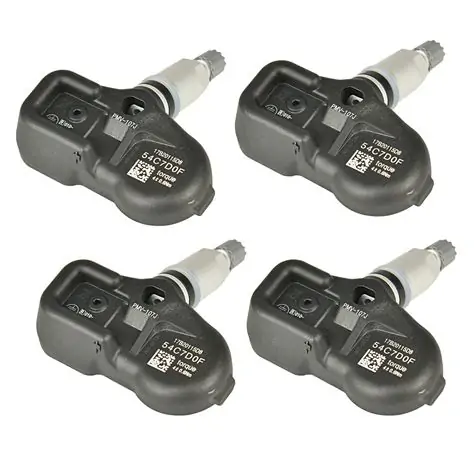
Discover the importance of TPMS sensors, signs of faults, replacement tips, and benefits of upgrading for enhanced vehicle safety and performance.If you own a 2010 Prius, understanding the Tire Pressure Monitoring System (TPMS) sensor is crucial for maintaining your vehicle’s safety and performance. The TPMS sensor plays a vital role in monitoring tire pressure, alerting drivers to any significant changes that could affect handling, fuel efficiency, and overall safety. In this blog post, we’ll explore what a TPMS sensor is, why it’s important, and the signs indicating a faulty sensor. We’ll also cover how to replace a TPMS sensor and discuss the benefits of upgrading to more advanced options. Whether you’re experiencing warning lights on your dashboard or simply want to enhance your Prius’s tire monitoring capabilities, this guide will provide all the information you need to ensure your vehicle stays road-ready.
What is a TPMS Sensor?
A TPMS, or Tire Pressure Monitoring System, sensor is an essential component in modern vehicles, including the 2010 Prius. This system is designed to monitor the air pressure in your tires, ensuring that they are inflated to the manufacturer’s recommended levels. Proper tire inflation is crucial for safety, fuel efficiency, and overall vehicle performance.
There are two main types of TPMS sensors: direct and indirect. Each type functions differently:
- Direct TPMS: This system uses sensors mounted on each tire that measure the actual tire pressure in real-time. If the pressure drops below a certain threshold, the system triggers a warning light on the dashboard.
- Indirect TPMS: Instead of using pressure sensors, this system estimates tire pressure based on the rotational speed of the tires. If one tire rotates at a different speed than the others, it can indicate a drop in pressure.
In a 2010 Prius, the TPMS utilizes direct sensors, which offer more accurate readings. Each sensor communicates wirelessly with the car’s onboard computer system, allowing drivers to maintain optimal tire health.
Key Functions of TPMS Sensors:
| Function | Description |
|---|---|
| Monitoring | Continuously checks tire pressure to ensure safety and efficiency. |
| Alerting | Notifies the driver when tire pressure is dangerously low. |
| Enhancing Safety | Reduces the risk of blowouts and improves handling. |
| Fuel Efficiency | Properly inflated tires can improve gas mileage. |
In summary, a TPMS sensor plays a vital role in maintaining safety, performance, and efficiency in your 2010 Prius by keeping you informed about your tire pressure.
Importance of TPMS Sensors
The Tire Pressure Monitoring System (TPMS) is a vital component in modern vehicles, including the 2010 Prius, designed to enhance safety and performance. Understanding the importance of TPMS sensors can help you maintain your vehicle effectively and avoid unnecessary risks.
Why TPMS Sensors Matter
- Safety: TPMS sensors play a crucial role in ensuring that your tires are properly inflated. Under-inflated tires can lead to blowouts and loss of vehicle control, significantly increasing the risk of accidents.
- Fuel Efficiency: Maintaining the correct tire pressure as monitored by TPMS sensors can improve fuel efficiency. Properly inflated tires reduce rolling resistance, leading to better mileage and reducing costs at the pump.
- Tire Longevity: TPMS sensors help in prolonging the lifespan of your tires. When tires are not inflated to the manufacturer’s recommendations, they tend to wear unevenly, resulting in premature replacement.
- Environmental Impact: Properly maintained tires contribute to lower CO2 emissions. When you drive with adequately inflated tires, you consume less fuel, which promotes a cleaner environment.
Regulatory Compliance
In many regions, including the United States, vehicles are required by law to have functional TPMS sensors. Compliance with these regulations not only ensures safety but also helps in avoiding potential fines or penalties.
Real-Time Monitoring
One of the most significant advantages of having TPMS sensors in your vehicle is the ability to receive real-time data about tire pressure. This instantaneous feedback allows drivers to take immediate action when tire pressure deviates from the recommended levels.
Conclusion
While the TPMS sensor might seem like a minor component of your vehicle, its role in safety, fuel efficiency, tire longevity, and environmental protection underscores its critical importance. Keeping your TPMS system in good working order is essential for any vehicle owner, particularly for those driving the 2010 Prius.
Signs of a Faulty TPMS Sensor
The Tire Pressure Monitoring System (TPMS) is a crucial component in modern vehicles, including the 2010 Prius. This system helps monitor the air pressure in your tires, ensuring safe and optimal driving. However, like all systems, TPMS sensors can occasionally fail. Recognizing the signs of a faulty TPMS sensor is essential for maintaining vehicle safety and performance.
Common Signs of a Faulty TPMS Sensor
- Warning Light On Dashboard: One of the first indicators of a malfunction is the TPMS warning light illuminating on your dashboard. This light usually looks like a horseshoe shape with an exclamation mark inside. If it stays on or blinks, it’s time to investigate.
- Constantly Fluctuating Tire Pressure Readings: If your TPMS displays irregular or inconsistent tire pressure readings, this may suggest a sensor issue. Typically, the readouts should be stable unless there is a significant change in tire pressure.
- Delayed Response Time: A faulty sensor may have a delayed response, meaning it takes time to reflect changes in tire pressure. If you notice that it takes longer than usual for the readings to update, consider having the sensors checked.
- Sensor Resetting Difficulties: If you’re having trouble resetting your TPMS after inflating tires or changing them, it may indicate that the sensor is malfunctioning. A properly functioning sensor should reset easily when pressure is adjusted correctly.
Effects of a Faulty TPMS Sensor
Ignoring the signs of a faulty TPMS sensor can lead to several adverse effects:
- Increased Risk of Tire Blowouts: A malfunctioning sensor may not provide accurate tire pressure readings, increasing the risk of under-inflated tires.
- Poor Fuel Efficiency: Incorrect tire pressure can lead to poor fuel economy, costing you more at the pump.
- Uneven Tire Wear: Inaccurate pressure readings can cause uneven wear on your tires, leading to shortened tire life and the need for premature replacement.
If you notice any of these signs, it is advisable to have your TPMS sensors inspected and possibly replaced by a professional to ensure optimal vehicle performance and safety.
Replacing a TPMS Sensor
Replacing a TPMS (Tire Pressure Monitoring System) sensor in your 2010 Prius can seem daunting, but it is a manageable task for any DIY enthusiast. A faulty TPMS sensor can lead to inaccurate tire pressure readings, which can ultimately compromise safety and fuel efficiency. Here’s a step-by-step guide to assist you through the process of replacing a TPMS sensor in your vehicle.
Tools and Materials Needed
- TPMS sensor kit
- Socket set
- Tire lever
- Air compressor
- Torque wrench
Step-by-Step Guide
- Prepare Your Vehicle: Park your 2010 Prius on a flat surface, turn off the ignition, and remove the keys. This ensures safety while you work on the tires.
- Remove the Tire: Using a socket wrench, loosen the lug nuts on the wheel that you need to work on. Use the tire lever to lift the vehicle and remove the wheel.
- Access the TPMS Sensor: Once the tire is off, you can see the valve stem of the TPMS sensor. It is typically located inside the wheel under the tire.
- Remove the Old Sensor: Unscrew the sensor from the valve stem. Be gentle to avoid damaging any surrounding components.
- Install the New Sensor: Take your new TPMS sensor and attach it to the valve stem. Make sure it is secured tightly. You may need to calibrate it according to the manufacturer’s instructions.
- Reinstall the Tire: Place the tire back onto the wheel assembly and hand-tighten the lug nuts. Lower the vehicle and then use the torque wrench to torque the lug nuts to the manufacturer’s specifications.
- Reset the TPMS System: Start your Prius and reset the TPMS system if required. You can typically do this through the vehicle’s settings in the dashboard.
- Check Tire Pressure: Lastly, make sure to inflate the tires to the recommended pressure and check the TPMS light on the dashboard to ensure it is functioning properly.
Important Tips
Always consult your 2010 Prius manual for specific instructions and torque specifications related to your vehicle.
Replacing a TPMS sensor can enhance the safety and performance of your vehicle, ensuring that your tires are well-monitored for optimal pressure. Always keep an eye out for warning lights on your dashboard and perform regular maintenance on your tire systems.
Benefits of Upgrading TPMS Sensors
TPMS (Tire Pressure Monitoring System) sensors play a crucial role in ensuring the safety and performance of your vehicle. Upgrading these sensors can provide numerous benefits that enhance your driving experience. Here are some of the key advantages of investing in upgraded TPMS sensors for your 2010 Prius:
- Improved Accuracy: Upgraded TPMS sensors are designed with advanced technology, providing more accurate readings of tire pressure. This accuracy is essential for maintaining optimal tire performance.
- Enhanced Longevity: Newer TPMS sensors typically have better durability and longer lifespan compared to older models. Upgrading ensures you won’t have to replace them as frequently.
- Compatibility with Advanced Systems: Many modern vehicles, including the 2010 Prius, come equipped with advanced vehicle safety features. Upgraded sensors can better integrate with these systems, ensuring they work effectively together.
- Real-Time Monitoring: New TPMS models often provide real-time tire pressure monitoring directly to your vehicle’s dashboard. This feature allows for immediate awareness of any tire-related issues while driving.
- Better Fuel Efficiency: Maintaining the correct tire pressure is crucial for fuel economy. Upgraded sensors help ensure that you’re always aware of your tire pressure, leading to improved gas mileage.
- Reduced Risk of Accidents: By ensuring that your tires are properly inflated, upgraded TPMS sensors help reduce the risk of tire blowouts and related accidents, contributing to overall road safety.
Upgrading your TPMS sensors is a smart choice for any Prius owner looking to enhance their vehicle’s safety and performance. Not only do these sensors provide vital information about your tires, but they also contribute to a more efficient and safer driving experience.
Frequently Asked Questions
What is a TPMS sensor and why is it important for the 2010 Prius?
TPMS stands for Tire Pressure Monitoring System. It is important for the 2010 Prius as it alerts the driver when tire pressure is low, ensuring safety and fuel efficiency.
How do I know if my 2010 Prius TPMS sensor is malfunctioning?
You may notice a warning light on the dashboard indicating low tire pressure, or you might experience inconsistent readings when checking tire pressure manually.
Can I replace a 2010 Prius TPMS sensor myself?
Yes, you can replace the TPMS sensor yourself, but it requires specific tools and knowledge about tire dismounting and sensor programming.
What are common signs of a faulty TPMS sensor in a 2010 Prius?
Common signs include a persistent warning light, error messages on the dashboard, or fluctuating tire pressure readings that don’t correspond with actual tire pressure.
How much does it cost to replace a TPMS sensor in a 2010 Prius?
The cost can range from $50 to $150 per sensor, not including any additional fees for tire service or programming.
Do I need to reset my TPMS after changing a tire on my 2010 Prius?
Yes, it is necessary to reset the TPMS after changing a tire to ensure that the system recognizes the new tire’s sensor.
Can low tire pressure affect the performance of my 2010 Prius?
Yes, low tire pressure can cause poor handling, increased wear on tires, and decreased fuel efficiency in your 2010 Prius.