
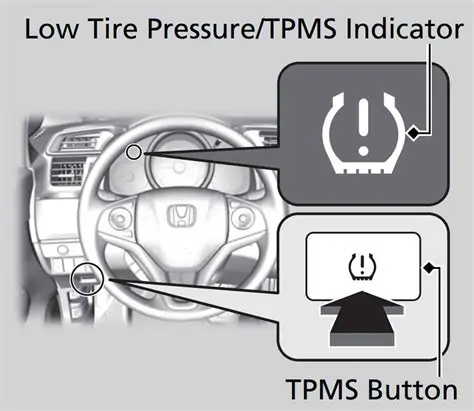
Explore TPMS sensors, their causes, impacts of low tire pressure, battery checks, and how to reset the TPMS sensor light for safe driving.When you see the TPMS (Tire Pressure Monitoring System) sensor light illuminate on your Honda’s dashboard, it’s essential not to ignore it. This warning indicates that something may be amiss with your vehicle’s tire pressure or the monitoring system itself. In this blog post, we will delve into the intricacies of the TPMS sensor, helping you understand what it is, and explore the common causes for the sensor light activating. We’ll also discuss the significant impact low tire pressure can have on your vehicle’s performance and safety. Additionally, we’ll guide you on how to check the TPMS sensor battery and provide steps for resetting the sensor light. Knowing how to respond to this warning can help ensure a safer driving experience and extend the life of your tires.
Understanding TPMS Sensor
The Tire Pressure Monitoring System (TPMS) is a crucial safety feature in modern vehicles, including Honda cars. The TPMS is designed to monitor the air pressure in your tires continually. If the tire pressure drops below a certain threshold, the system activates a warning light on your dashboard, alerting you to the issue.
Here’s how the TPMS works:
- Sensor Installation: Each tire is equipped with a TPMS sensor that measures the internal tire pressure.
- Continuous Monitoring: The sensors send real-time pressure data to the car’s onboard computer system.
- Warning Light Activation: If tire pressure drops significantly (usually below 25% of the recommended level), the system triggers the TPMS warning light on the dashboard.
Understanding the TPMS is vital because it not only helps prevent premature tire wear but also enhances overall vehicle safety. Low tire pressure can lead to decreased handling, longer stopping distances, and increased risk of blowouts.
To visualize the key attributes of a TPMS sensor, refer to the table below:
| Attribute | Description |
|---|---|
| Type | Direct or Indirect TPMS systems |
| Function | Monitors tire pressure and alerts the driver |
| Components | Pressure sensors, transmitters, and dashboard indicator |
| Maintenance | Regular inspections and battery checks required |
In summary, understanding the TPMS sensor is essential for maintaining proper tire pressure and ensuring your safety on the road. Regular monitoring and maintenance can help prolong the life of your tires and improve fuel efficiency.
Causes of TPMS Sensor Light
The TPMS (Tire Pressure Monitoring System) sensor light is an important indicator on your vehicle’s dashboard, specifically in vehicles like Honda. When this light illuminates, it signifies that there may be issues related to tire pressure or the system itself. Below are some common causes for the activation of the TPMS sensor light.
| Cause | Description |
|---|---|
| Low Tire Pressure | One of the most common reasons for the TPMS light to turn on is low tire pressure. Tires that are under-inflated can affect vehicle handling and increase wear and tear. |
| Flat Tire | A completely flat tire will trigger the TPMS light. This is a critical safety issue and should be addressed immediately. |
| Faulty TPMS Sensor | If a TPMS sensor is damaged or failing, it may not accurately read the tire pressure and can lead to an illuminated warning light. |
| Temperature Changes | Significant changes in temperature can cause tire pressure to drop, activating the TPMS light. It is crucial to regularly check your tire pressure during seasonal changes. |
| Tire Rotation or Replacement | If tires have been rotated or replaced, the TPMS light may turn on if the system needs to be reset or recalibrated. |
| Battery Issues | The batteries in the TPMS sensors may become weak or fail over time, leading to malfunction and possible activation of the warning light. |
It is essential to pay attention to the TPMS sensor light on your Honda dashboard. Regular maintenance and prompt attention to tire issues can enhance safety and vehicle performance.
Impact of Low Tire Pressure
Low tire pressure can have significant consequences on both vehicle performance and safety. It is crucial to understand the impact of driving with under-inflated tires, especially when considering the functionality of your vehicle’s TPMS sensor (Tire Pressure Monitoring System).
- Reduced Fuel Efficiency: When tires are not inflated to their optimal level, they create more rolling resistance. This means your engine has to work harder, resulting in decreased fuel efficiency and higher fuel costs.
- Poor Handling: Low tire pressure can severely affect the handling and stability of your vehicle. This could lead to difficulties in steering and increased stopping distances, which could compromise your safety on the road.
- Tire Wear: Tires that are not properly inflated wear unevenly and prematurely. Driving on under-inflated tires can lead to more frequent replacements and greater long-term expenses.
- Increased Risk of Blowouts: A tire that is consistently low on air is more susceptible to heat buildup and can eventually lead to tire blowouts. This poses a serious danger to both the driver and passengers.
- Negative Environmental Impact: Lower fuel efficiency due to low tire pressure contributes to higher carbon emissions, which harm the environment.
Regularly checking and maintaining the appropriate tire pressure not only ensures the longevity of your tires but also contributes to overall road safety. Remember that the recommended tire pressure information can typically be found on a sticker inside the driver’s door jamb or in the vehicle’s owner’s manual.
Maintaining proper tire pressure enhances safety, improves fuel economy, and prolongs tire life. – Tire Safety Association
Checking TPMS Sensor Battery
The Tire Pressure Monitoring System (TPMS) is an essential component of modern vehicles, including Honda models. It helps ensure that your tires are properly inflated, enhancing fuel efficiency and safety. However, like any electronic component, the TPMS sensor can experience issues, particularly with its battery. Here’s a comprehensive look at how to check the TPMS sensor battery.
Why Check the TPMS Sensor Battery?
A malfunctioning TPMS sensor can lead to inaccurate tire pressure readings, which may cause the TPMS light to illuminate on your dashboard. One common reason for this issue is a depleted sensor battery. Regular maintenance includes checking this battery to ensure reliable performance.
How to Check the TPMS Sensor Battery
- Visual Inspection: Start by inspecting the individual TPMS sensors attached to each wheel. Look for any physical damage or signs of corrosion on the battery terminals.
- Using a TPMS Tool: Many automotive shops and garages possess a specialized TPMS tool that can read the status of the sensor. This tool indicates whether the battery is functioning correctly.
- Manual Check: You can also manually check the battery by removing the sensor from the wheel. Most sensors will have a battery that is replaceable, usually a CR2032 type. Make sure to handle them with care.
Signs of a Weak TPMS Sensor Battery
Be on the lookout for these signs that may indicate a failing TPMS sensor battery:
- The TPMS light stays illuminated even after inflating your tires.
- You receive a notification on your dashboard that indicates a malfunction in the pressure monitoring system.
- The tire pressure readings fluctuate erratically.
Battery Replacement
If the TPMS sensor battery is dead, it is essential to replace it to ensure accurate tire pressure readings. Here are the steps:
- Carefully remove the TPMS sensor from the tire.
- Replace the old battery with a new one of the same type.
- Reinstall the TPMS sensor onto the tire.
- Reset the TPMS light in your vehicle to ensure it functions correctly.
If you’re unsure how to perform these tasks, it’s best to consult a professional mechanic who can assist you in checking and replacing the TPMS sensor battery as necessary.
Resetting TPMS Sensor Light
The TPMS (Tire Pressure Monitoring System) sensor light is an essential indicator on your vehicle’s dashboard. It alerts you when tire pressure is below the recommended level or if there is a malfunction within the system. If you’ve checked your tire pressure and found it to be adequate, you may need to reset the TPMS sensor light on your Honda. Here’s how to do it:
- Check Your Tire Pressure: Before resetting, ensure that all tires are properly inflated to the recommended pressures stated on the tire placard, which can usually be found on the driver’s side door jamb.
- Turn On the Ignition: Without starting the engine, turn the ignition key to the ON position. This is the second position in which the dashboard lights come on.
- Locate the TPMS Reset Button: Depending on your Honda model, the TPMS reset button may be located under the steering wheel, in the glove box, or on the center console.
- Press and Hold the Reset Button: Press and hold the TPMS reset button until the TPMS sensor light blinks three times. This usually takes about 5-10 seconds.
- Start Your Vehicle: Turn the ignition off and then start your vehicle to complete the reset. The TPMS light should go off after driving for a few minutes.
If the light does not turn off after resetting, there may be an underlying issue with the system, and it is important to have it diagnosed.
Note: Regular checks and maintenance of your tire pressure and TPMS system will greatly contribute to your vehicle’s safety and performance.
Following these steps will help ensure that your Honda maintains optimal tire pressure, enhancing driving safety and fuel efficiency.
Frequently Asked Questions
What does the TPMS sensor light indicate on a Honda vehicle?
The TPMS (Tire Pressure Monitoring System) sensor light indicates that one or more of your tires may be underinflated, overinflated, or there is a malfunction in the TPMS system itself.
How can I reset the TPMS sensor light on my Honda?
To reset the TPMS sensor light, first ensure that all tires are properly inflated. Then, you may need to press the TPMS reset button, which is usually located under the steering wheel or in the glove compartment. Refer to your owner’s manual for specific instructions.
Can I drive my Honda with the TPMS light on?
While you can drive with the TPMS light on, it is not advisable. Ignoring the warning can lead to tire damage, reduced fuel efficiency, and safety concerns due to improper tire pressure.
What should I do if the TPMS light stays on after checking tire pressure?
If the TPMS light remains on after confirming that all tires are correctly inflated, there may be a malfunction in the TPMS system. It is best to have the vehicle checked by a qualified mechanic.
What causes the TPMS light to come on in my Honda?
The TPMS light can come on for several reasons, including low tire pressure, changes in temperature affecting tire pressure, a faulty TPMS sensor, or a flat tire.
Does the TPMS system alert me for all tires?
Yes, the TPMS system in Honda vehicles monitors the pressure of all four tires and alerts you if any tire is significantly under or overinflated.
How often should I check my tire pressure to avoid the TPMS light coming on?
It is recommended to check your tire pressure at least once a month and before long trips to ensure optimal performance and to prevent the TPMS light from activating.