
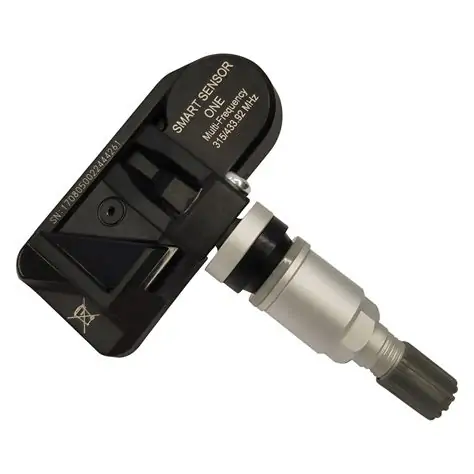
Explore smart sensors, TPMS technology advancements, benefits, integration with smart vehicles, and future innovations in tire pressure monitoring systems (TPMS) in this informative blog post.In today’s rapidly advancing automotive landscape, the integration of technology into vehicles has reached new heights, and one of the standout innovations is the Smart Sensor Tire Pressure Monitoring System (TPMS). As the safety and efficiency of driving come under increased scrutiny, understanding what smart sensors are and how they enhance TPMS technology becomes essential. This blog post delves into the evolution of TPMS, exploring its groundbreaking benefits, particularly as it integrates seamlessly with contemporary smart vehicles. Moreover, we’ll look into future innovations on the horizon, ensuring that drivers not only stay safe but also embrace the future of driving technology. Join us as we uncover the significance of smart sensor TPMS in redefining our driving experience.
What are Smart Sensors?
Smart sensors are advanced devices that can detect changes in their environment and process that information for communication or further action. They incorporate integrated sensing technologies, data processing capabilities, and often connectivity features, allowing them to interact with other devices or systems. The growing demand for automation and real-time data acquisition has accelerated the development and deployment of smart sensors across various sectors.
These sensors play a pivotal role in modern technology, particularly in applications related to Internet of Things (IoT), automotive systems, healthcare, and environmental monitoring. Smart sensors are equipped with multiple capabilities, including but not limited to:
- Data Acquisition: They capture environmental data such as temperature, pressure, and humidity.
- Data Processing: Many smart sensors can analyze data locally, reducing the need for external processing. This is crucial in real-time applications.
- Communication: Smart sensors often have wireless communication capabilities, allowing them to transmit data to other devices or systems for centralized monitoring and control.
- Decision Making: They can make autonomous decisions based on the data they collect, enhancing efficiency and responsiveness.
In the context of TPMS (Tire Pressure Monitoring Systems), smart sensors play a vital role by continually monitoring tire pressure and temperature, transmitting vital information to the vehicle’s onboard computer system. This not only helps in maintaining vehicle safety but also improves fuel efficiency by alerting drivers about under-inflated tires.
| Feature | Benefit |
|---|---|
| Real-time Monitoring | Improved safety and performance |
| Data Analysis | Informed decision-making for maintenance |
| Wireless Connectivity | Seamless integration with other smart systems |
In summary, smart sensors are crucial for the evolution of intelligent systems, especially in enhancing vehicle technology like TPMS, where they ensure optimal performance and safety. The integration of these sensors signifies a pivotal shift towards more interconnected and responsive technologies.
Development of TPMS Technology
The Tire Pressure Monitoring System (TPMS) has undergone significant evolution since its inception. Initially designed to enhance vehicle safety, TPMS technology has advanced to include a variety of smart sensors and integrated systems that provide real-time data, improving overall vehicle performance and safety.
Early Days of TPMS
When TPMS technology was first introduced, it primarily focused on monitoring tire pressure to prevent blowouts and improve fuel efficiency. The first systems were relatively basic, relying on indirect monitoring methods that utilized the vehicle’s existing speed sensor to estimate tire pressure based on tire rotational speed.
Advancements in Sensor Technology
As technology progressed, the need for more accurate and reliable monitoring led to the development of smart sensors. These sensors measure tire pressure directly, providing precise information about each tire’s condition. Key advancements in sensor technology include:
- Integration with IoT: Modern TPMS can connect to the internet, enabling data sharing and access from mobile devices.
- Battery Life Improvements: Newer sensors are designed to last longer, reducing the frequency of replacements.
- Real-Time Alerts: Enhanced systems can send immediate notifications to drivers about tire pressure changes, allowing for prompt action.
Regulatory Influence
Government regulations have also played a significant role in the development of TPMS technology. In many regions, the implementation of TPMS has been mandated in new vehicles, pushing manufacturers to adopt advanced systems to meet safety standards.
The Role of Manufacturers
Automakers are constantly looking for ways to improve the TPMS technology in their vehicles. By collaborating with technology companies, they have been able to incorporate features such as:
| Feature | Description |
|---|---|
| Adaptive Algorithms | Systems that learn driver behaviors and adjust alerts accordingly. |
| Enhanced Data Analytics | Advanced analytics for predictive maintenance and tire wear monitoring. |
Overall, the development of TPMS technology has revolutionized how we monitor tire performance and safety. As vehicle technologies continue to improve, the future of TPMS promises even greater advancements that will enhance driving experiences and safety standards.
Benefits of Smart TPMS
In recent years, the automotive industry has seen significant advancements in technology, and one of the most impactful innovations has been the development of Smart Tire Pressure Monitoring Systems (TPMS). These systems go beyond the basic functionality of traditional TPMS, offering numerous benefits that enhance vehicle performance and safety. Let’s explore the key advantages of Smart TPMS:
- Real-Time Monitoring: Smart TPMS provides continuous, real-time data regarding tire pressure and temperature, allowing drivers to immediately identify any potential issues.
- Enhanced Safety: By ensuring that tires are always inflated to the optimal pressure, smart TPMS significantly reduces the risk of blowouts and accidents caused by underinflated tires.
- Improved Fuel Efficiency: Maintaining appropriate tire pressure can lead to better fuel economy, as underinflated tires can increase rolling resistance, causing engines to work harder.
- Wear and Tear Reduction: Consistent pressure helps in even tire wear, extending the lifespan of the tires and reducing the need for frequent replacements.
- Data Integration: Smart TPMS can integrate with other vehicle systems, providing a holistic view of vehicle performance and enhancing diagnostic capabilities.
- User-Friendly Alerts: Many Smart TPMS solutions offer smartphone connectivity, sending alerts to the driver’s mobile device about tire conditions, making it easy to respond to issues promptly.
Furthermore, the benefits of Smart TPMS extend to fleet operations, where maintaining optimal tire conditions can lead to substantial savings and improved operational efficiency. By adopting smart tire technology, both individual drivers and companies can experience increased safety, reduced costs, and enhanced vehicle performance.
Smart TPMS technology is revolutionizing the way we monitor tire health, ensuring a safer and more efficient driving experience. – Automotive Technology Expert
Integration with Smart Vehicles
The integration of Smart Tire Pressure Monitoring Systems (TPMS) with smart vehicles represents a significant advancement in automotive technology. As vehicles become increasingly interconnected through the Internet of Things (IoT), the role of smart sensors in managing vehicle safety and performance has never been more critical.
Key Aspects of TPMS Integration
- Real-Time Data Transfer: Smart TPMS use sensors that continuously monitor tire pressure, temperature, and overall tire health. This data is transmitted in real time to the vehicle’s dashboard, allowing drivers to receive important alerts and make informed decisions.
- Enhanced Vehicle Diagnostics: Integrated smart systems not only provide tire information but also assist in diagnosing underlying issues with the vehicle’s performance, thus improving overall vehicle maintenance strategies.
- Driver Assistance Systems: Smart TPMS work in conjunction with other driver assistance technologies like Adaptive Cruise Control and Lane Keeping Assist, providing comprehensive data for enhancing safety features.
Benefits of Integration
The integration of smart TPMS with smart vehicles offers numerous benefits, including:
| Benefit | Description |
|---|---|
| Improved Safety | Real-time monitoring reduces the risk of tire blowouts and accidents caused by low tire pressure. |
| Fuel Efficiency | Maintained optimal tire pressure leads to better fuel economy, saving drivers money in the long run. |
| Maintenance Alerts | Drivers receive alerts for tire-related issues upfront, minimizing costly repairs and downtime. |
Future Prospects
As smart vehicles continue to evolve, the integration of smart TPMS will likely become more sophisticated, utilizing artificial intelligence and machine learning algorithms to predict tire failures before they occur. Furthermore, we can anticipate:
“A seamless integration where tire health management becomes an integral part of the vehicle’s overall health monitoring system.”
This level of integration will facilitate smarter cities where vehicles can communicate with infrastructure, contributing to enhanced road safety and efficiency.
Ultimately, the blend of smart TPMS with smart vehicle technologies not only sets the stage for safer driving experiences but also promotes sustainable automotive practices that benefit drivers and the environment alike.
Future Innovations in TPMS
As the automotive industry continues to evolve with the advent of smart technology, the next generation of Tire Pressure Monitoring Systems (TPMS) is poised to experience remarkable innovations. These advancements aim not only to enhance vehicle safety but also to maximize efficiency and convenience for drivers. Here, we explore some key trends and innovations that are shaping the future of TPMS technology.
1. Integration with IoT
The Internet of Things (IoT) is leading the charge in transforming traditional systems into interconnected networks. Future TPMS innovations will involve:
- Real-time data sharing: TPMS will communicate tire data to other vehicle systems and mobile applications, providing drivers with timely alerts and insights.
- Data analytics: Leveraging big data to predict tire performance and potential failures based on driving patterns and environmental conditions.
2. Advanced Sensor Technology
The next generation of smart sensors will enhance TPMS functionality with:
- Multi-sensor capabilities: Sensors that monitor not only tire pressure but also temperature, tread wear, and overall tire health.
- Self-diagnosis: Systems capable of diagnosing their own issues and providing alerts to the driver regarding maintenance needs.
3. Enhanced Driver Interface
Future TPMS will offer improved interfaces that are more user-friendly through:
- Augmented reality (AR): Integration of AR technologies to visually display tire conditions via a heads-up display.
- Seamless app integration: Driver apps that provide comprehensive tire stats, alerts, and predictive maintenance suggestions.
4. Wireless Technology
Wired systems are quickly becoming outdated. The move towards wireless TPMS is expected to offer:
- Better reliability: Reduced risk of failure due to broken wires or poor connections.
- Enhanced range: Sensors that can transmit information over greater distances without loss of accuracy.
5. Sustainability Features
In line with global efforts for sustainability, TPMS innovations will focus on:
- Eco-friendly materials: Utilizing sustainable materials in tire production and sensor components.
- Fuel efficiency: Ensuring optimal tire pressure to improve fuel efficiency and reduce carbon emissions.
As the market for smart TPMS grows, these innovations will not only enhance vehicle performance and safety but also align with the broader goals of sustainability and connectivity. Embracing these technological advancements will be crucial for manufacturers and consumers alike, paving the way for a safer, smarter, and more efficient driving experience.
Frequently Asked Questions
What is a smart sensor TPMS?
A smart sensor Tire Pressure Monitoring System (TPMS) is a technology designed to monitor the air pressure and temperature of tires in real-time, providing alerts to drivers for tire maintenance.
How does a smart sensor TPMS work?
A smart sensor TPMS uses sensors mounted inside the tire to detect pressure and temperature. The data is transmitted wirelessly to the vehicle’s onboard computer, which displays information on the dashboard.
What are the benefits of using a smart sensor TPMS?
The benefits include improved fuel efficiency, enhanced safety, reduced tire wear, and increased tire longevity by ensuring tires are always at optimal pressure.
Can a smart sensor TPMS prevent tire blowouts?
Yes, by alerting the driver to low tire pressure before it reaches a critical level, a smart sensor TPMS can help prevent tire blowouts and maintain safer driving conditions.
How do you install a smart sensor TPMS?
Installation typically involves replacing the existing valve stems with the new smart sensors, which is often done at a tire shop, and then pairing the sensors with the vehicle’s TPMS receiver.
Are smart sensor TPMS systems compatible with all vehicles?
While many modern vehicles are designed to work with smart sensor TPMS systems, it’s important to check compatibility with specific vehicle models and types before installation.
What should you do if a TPMS warning light comes on?
If the TPMS warning light illuminates, it’s essential to check the tire pressures as soon as possible, and if they are normal, consider having the system checked for faults or sensor malfunctions.