
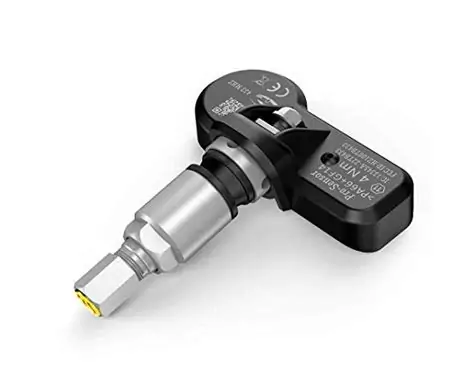
Explore TPMS sensors’ benefits, installation efficiency, and compatibility across vehicles, enhancing tire pressure monitoring accuracy for a safer driving experience.In today’s world of automotive technology, ensuring the safety and efficiency of our vehicles is more important than ever. One essential component that plays a crucial role in this journey is the Tire Pressure Monitoring System (TPMS) sensor. Understanding the significance of TPMS sensors and the advantages of using pre-programmed options can elevate your driving experience significantly. These sensors not only streamline the installation process, but they also offer unmatched compatibility across various vehicle types. Additionally, they enhance the accuracy of tire pressure monitoring, which is vital for optimal vehicle performance and safety. In this blog post, we’ll delve deeper into the workings of TPMS sensors, explore the benefits of choosing pre-programmed models, and highlight how they can improve your vehicle’s overall functionality. Join us as we unpack this essential aspect of modern vehicle maintenance!
Understanding TPMS Sensors
Tire Pressure Monitoring Systems (TPMS) are essential components in modern vehicles, designed to enhance safety and performance by monitoring tire pressure levels. These systems consist of either direct or indirect sensors that provide real-time data about the pressure in each tire, alerting the driver if any tire is under-inflated.
Direct TPMS sensors are mounted inside the tire, typically on the valve stem, and measure the precise air pressure in each tire. In contrast, indirect TPMS relies on the vehicle’s ABS (Anti-lock Braking System) wheel speed sensors to estimate tire pressure by detecting differences in tire rotation speed.
How TPMS Sensors Work
TPMS sensors work by collecting tire pressure data and communicating with the vehicle’s onboard computer system. When the pressure in a tire drops below a predefined threshold, the system triggers a warning light on the dashboard to alert the driver. This early warning helps prevent tire blowouts and improves fuel efficiency.
Benefits of TPMS Sensors
- Improved Safety: By providing real-time tire pressure readings, TPMS significantly reduces the risk of accidents caused by under-inflated tires.
- Enhanced Fuel Efficiency: Properly inflated tires lead to better fuel economy, as they reduce rolling resistance.
- Longer Tire Life: Maintaining optimal tire pressure can prolong tire lifespan, saving you money in the long run.
Differences Between Direct and Indirect TPMS
| Feature | Direct TPMS | Indirect TPMS |
|---|---|---|
| Location of Sensor | Internal (inside the tire) | External (wheel speed sensors) |
| Accuracy | High | Moderate |
| Installation Complexity | More complex due to sensor placement | Simpler, utilizes existing sensors |
Despite their differences, both types of TPMS serve the same primary purpose: to monitor tire pressure and ensure safe vehicle operation. Understanding the functionality and benefits of TPMS sensors is crucial for any vehicle owner looking to maintain their vehicle’s performance and safety standards.
Benefits of Pre-Programmed Sensors
Pre-programmed TPMS sensors offer several advantages that make them a popular choice among vehicle owners and mechanics alike. Understanding these benefits can enhance your experience with tire pressure monitoring systems, ensuring safety and efficiency on the road.
- Ease of Installation: One of the most significant benefits of pre-programmed sensors is the simplified installation process. These sensors come ready to use, eliminating the need for lengthy programming procedures. Mechanics can save time and get vehicles back on the road quickly.
- Consistency: With pre-programmed sensors, you can expect consistent performance across different vehicles. These sensors are designed to work seamlessly with the vehicle’s existing TPMS, ensuring reliability in monitoring tire pressure.
- Cost-Effective: While they may have a higher upfront cost compared to their non-pre-programmed counterparts, the overall savings in installation time and reduced labor costs make pre-programmed sensors a cost-effective solution in the long run.
- Compatibility: Pre-programmed TPMS sensors are available for a wide range of vehicle makes and models. This versatility ensures that you can find a suitable sensor for your vehicle without compatibility issues.
- Enhanced Performance: These sensors are specifically configured to provide accurate tire pressure readings, improving the overall reliability of the tire pressure monitoring system. This accuracy helps in maintaining optimal tire pressure and enhancing tire longevity.
As you can see, the benefits of pre-programmed TPMS sensors extend beyond ease of use; they contribute to better vehicle performance, improved safety, and more efficient maintenance practices.
Efficiency of Installation Process
When it comes to maintaining your vehicle’s Tire Pressure Monitoring System (TPMS), the installation of pre-programmed TPMS sensors plays a pivotal role in ensuring a seamless and efficient process. These sensors are designed to facilitate quicker installations, ultimately saving time and improving overall efficiency.
Here are several key factors contributing to the efficiency of the installation process for pre-programmed TPMS sensors:
- No Additional Programming Required: One of the standout benefits of using pre-programmed sensors is that they come pre-configured to your vehicle’s specifications. This negates the need for extra programming tools or complex procedures, allowing for a straightforward installation.
- Simplified Replacement Process: Technicians can replace the sensors in a fraction of the time it would take with traditional sensors that require manual programming. This can significantly reduce labor costs and minimize vehicle downtime.
- Universal Compatibility: Many pre-programmed sensors are designed to be compatible with a wide range of vehicle makes and models. This ensures that technicians can stock fewer parts while still serving a variety of customers, improving efficiency in inventory management.
- Easier Identification: Pre-programmed TPMS sensors often come with clear identifiers, making it simple for technicians to find the correct part without sifting through numerous components. This accelerates the installation process and enhances precision.
In addition to these factors, the overall reliability of pre-programmed sensors contributes to fewer callbacks for reinstallation or adjustments, further enhancing efficiency for both service providers and vehicle owners. The seamless integration of these sensors into vehicles is indeed a game-changer in the automotive industry.
In summary, adopting pre-programmed TPMS sensors offers significant benefits in terms of the installation process, providing a quicker, easier, and more efficient approach to maintaining tire pressure systems across various vehicles.
Compatibility with Different Vehicles
The compatibility of pre-programmed TPMS sensors with different vehicles is a significant aspect for both car manufacturers and owners. Understanding which sensors fit which vehicles can help ensure optimal performance and accurate tire pressure monitoring. Here, we explore how pre-programmed sensors adapt to a variety of vehicle types and the importance of selecting the right sensor.
1. Vehicle Make and Model
Each vehicle make and model may require specific TPMS sensors. Using the wrong sensor can lead to improper functioning, including inaccurate pressure readings and warning light issues. Pre-programmed sensors are designed to be compatible with multiple vehicles, but it is still essential to check the compatibility for:
- Domestic vehicles – Common American brands like Ford, Chevy, and Dodge.
- European models – Brands such as BMW, Audi, and Mercedes-Benz.
- Asian manufacturers – Vehicles from Honda, Toyota, and Nissan.
2. OEM vs Aftermarket Sensors
Original Equipment Manufacturer (OEM) sensors tend to offer higher compatibility reliability compared to aftermarket solutions. However, pre-programmed TPMS sensors offer a wide range of options that can still match OEM standards. When considering compatibility,:
A wider selection of high-quality aftermarket sensors can also be compatible with a variety of vehicles, offering both cost-effectiveness and efficiency.
3. Sensor Programming
The programming of TPMS sensors can vary based on the vehicle’s specifications. Pre-programmed TPMS sensors come with built-in data for easy installation. However, some vehicles may still require a TPMS scanner for initial pairing. Ensure that:
- You verify the programming requirements for your vehicle model.
- You have the necessary tools for any additional programming steps needed.
4. Multitasking with Vehicle Types
Another benefit of pre-programmed TPMS sensors is their ability to support multiple vehicle types. For example, if a household has several vehicles, a single set of pre-programmed sensors may be compatible across those vehicles. This versatility:
Offers a convenient solution for families or businesses managing diverse vehicle fleets.
5. Checking Compatibility Before Purchase
Ultimately, to ensure that you are purchasing the right pre-programmed TPMS sensors, always:
- Consult the vehicle’s manual for recommended sensor specifications.
- Use online compatibility tools provided by sensor manufacturers to confirm fit.
- Consult with professionals at tire shops or dealerships if uncertain.
By adhering to these guidelines, vehicle owners can ensure they select the correct pre-programmed TPMS sensors that will function optimally across various vehicle models.
Improved Tire Pressure Monitoring Accuracy
When it comes to maintaining optimal vehicle safety and performance, tire pressure monitoring is crucial. The efficiency of this system is heavily reliant on the accuracy of the sensors used, particularly the pre-programmed TPMS sensors. These sensors are designed to provide real-time data about tire pressure, which plays a significant role in vehicle handling, fuel efficiency, and tire longevity.
Here are several factors that highlight the improved accuracy provided by pre-programmed TPMS sensors:
- Factory Calibration: Since these sensors are often calibrated to meet manufacturer specifications, they can deliver precise readings directly related to the tire pressure that is optimal for your specific vehicle model.
- Real-Time Monitoring: Pre-programmed TPMS sensors utilize advanced technology to continuously monitor tire pressure, alerting drivers immediately when any deviation from the standard occurs.
- Reduced Risk of False Alerts: Thanks to pre-programming, these sensors are less likely to send false alerts due to environmental factors or general wear and tear, which can occur with non-programmed sensors.
- Enhanced Durability: Designed for longevity, pre-programmed TPMS sensors maintain their accuracy over extended periods, reducing the need for frequent replacements or recalibrations.
It’s also important to mention that the integration of pre-programmed TPMS sensors leads to improved tire pressure monitoring accuracy, which consequently leads to:
| Benefit | Description |
|---|---|
| Increased Safety | Accurate pressure readings help prevent blowouts and improve vehicle control. |
| Fuel Efficiency | Maintaining optimal tire pressure can enhance fuel economy by reducing rolling resistance. |
| Tire Longevity | Proper tire inflation maximizes tire life, saving you money in the long run. |
In conclusion, utilizing pre-programmed TPMS sensors significantly enhances the overall tire pressure monitoring accuracy in your vehicle. This leads to better safety, improved fuel efficiency, and prolonged tire lifespan, all contributing to a smoother driving experience.
Frequently Asked Questions
What is a pre-programmed TPMS sensor?
A pre-programmed TPMS (Tire Pressure Monitoring System) sensor is a sensor that comes fully programmed to a specific vehicle make and model, allowing for easy installation without the need for reprogramming during setup.
Why should I use a pre-programmed TPMS sensor?
Using a pre-programmed TPMS sensor saves time during installation, ensuring immediate compatibility with your vehicle’s system, and helps avoid the complexities of manual programming.
How do I know if my vehicle requires a pre-programmed TPMS sensor?
You can check your vehicle’s owner manual or consult with a professional mechanic to determine if it uses TPMS and whether a pre-programmed sensor is suitable for your model.
What are the benefits of installing a pre-programmed TPMS sensor?
Benefits include quicker installation, reduced labor costs, and immediate functionality without needing specialized tools or software for programming.
Can I install a pre-programmed TPMS sensor myself?
Yes, if you have basic automotive knowledge and tools, you can install a pre-programmed TPMS sensor yourself, but it is recommended to have a professional do it to ensure accuracy and functionality.
Are pre-programmed TPMS sensors expensive?
Pre-programmed TPMS sensors can vary in price based on the brand and vehicle compatibility, but generally, they offer a cost-effective solution compared to programming from scratch.
What should I do if my pre-programmed TPMS sensor is not working?
If your pre-programmed TPMS sensor is not working, check for installation errors, ensure the battery is functional, and consult a professional mechanic for diagnostics.