
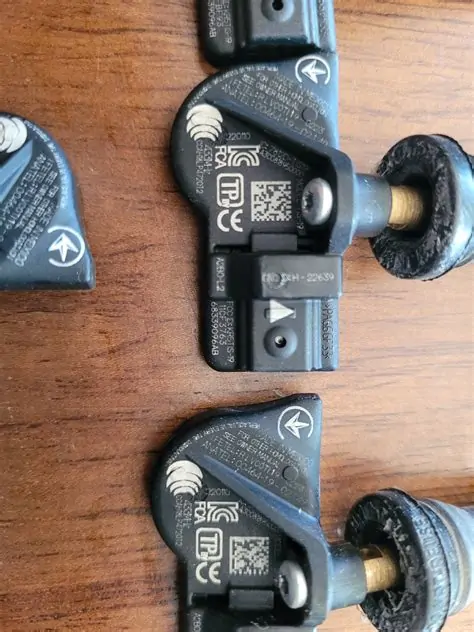
Discover the essentials of TPMS sensors, their importance, types, functionality, and troubleshooting tips for effective tire monitoring and safety.When it comes to the rugged capabilities of the Jeep Gladiator, every component plays a vital role in ensuring optimal performance, and that includes Tire Pressure Monitoring System (TPMS) sensors. These small yet indispensable devices help you keep an eye on tire pressure, enhancing safety and fuel efficiency on and off the road. In this blog post, we’ll explore what TPMS sensors are, their importance, and the different types available. We’ll also delve into how these sensors operate and provide you with tips for troubleshooting common issues. Whether you’re a seasoned Gladiator enthusiast or a new owner, understanding TPMS sensors will empower you to maintain your vehicle’s performance and safety, ensuring your adventures remain as thrilling as ever. Let’s dive into the world of TPMS sensors and unlock the secrets behind this critical technology!
What are TPMS sensors?
Tire Pressure Monitoring Systems (TPMS) sensors are critical components in modern vehicles, including the Jeep Gladiator. These devices are designed to monitor the air pressure inside the tires and provide real-time feedback to the driver through the vehicle’s dashboard. Maintaining proper tire pressure is vital for safety, fuel efficiency, and overall vehicle performance.
TPMS sensors can be classified into two main types: direct TPMS and indirect TPMS. Each type functions differently, but the primary goal remains the same: to ensure that tire pressure is within the recommended range.
Direct TPMS
Direct TPMS uses sensors located inside each tire to measure the air pressure directly. These sensors transmit data wirelessly to the vehicle’s onboard computer, which then alerts the driver if the pressure falls below a specified threshold. This system offers precise tire pressure readings and immediate notifications when there are issues.
Indirect TPMS
Indirect TPMS does not use physical pressure sensors in the tires. Instead, it relies on the anti-lock braking system (ABS) and wheel speed sensors to estimate tire pressure. When a tire is under-inflated, it has a smaller diameter and rotates at a different speed compared to properly inflated tires. The system uses this data to alert the driver of potential tire pressure issues.
In summary, TPMS sensors serve as an essential safety measure for the Jeep Gladiator. They help prevent accidents caused by under-inflated tires, which can lead to blowouts or decreased vehicle handling. By keeping the driver informed about tire conditions, these sensors contribute to a safer driving experience.
Importance of TPMS sensors
The importance of TPMS sensors (Tire Pressure Monitoring System) cannot be understated when it comes to ensuring safety and efficiency in vehicles, especially in rugged models like the Jeep Gladiator. These sensors play a critical role in monitoring tire pressure and providing real-time data to the driver.
Key Reasons Why TPMS Sensors Are Important:
- Enhanced Safety: Proper tire pressure is crucial for vehicle handling and stopping distance. TPMS sensors alert the driver to low tire pressure, reducing the risk of blowouts and accidents.
- Fuel Efficiency: Tires that are properly inflated experience less rolling resistance, leading to improved fuel economy. TPMS helps maintain optimal tire pressure, which enhances fuel efficiency in your Gladiator.
- Extended Tire Life: Consistent monitoring of tire pressure can prevent uneven wear and tear. This monitoring helps extend the lifespan of your tires, saving you money in the long run.
- Environmental Benefits: Properly inflated tires consume less fuel, which in turn reduces greenhouse gas emissions. Maintaining your Gladiator’s tire pressure contributes to a more sustainable environment.
- Convenience: The TPMS provides a proactive way to monitor tire conditions without having to manually check tire pressure regularly. This convenience is especially valuable for off-road adventures.
Regularly maintaining your TPMS sensors can significantly enhance the performance of your Jeep Gladiator over time.
In summary, the importance of TPMS sensors in the Jeep Gladiator goes beyond just safety; they also contribute to better performance, fuel efficiency, and environmental sustainability. Ensuring that your TPMS is functional and regularly checked should be a priority for every Gladiator owner.
Types of TPMS sensors
When it comes to maintaining the safety and performance of your vehicle, understanding the types of TPMS sensors is crucial. TPMS stands for Tire Pressure Monitoring System, and it plays an essential role in alerting drivers to any tire pressure issues, thereby preventing potential accidents. There are mainly two types of TPMS sensors:
| Type of TPMS Sensor | Description | Advantages |
|---|---|---|
| Direct TPMS Sensors | These sensors are installed inside the tire, directly measuring the air pressure. |
|
| Indirect TPMS Sensors | These sensors do not measure air pressure directly. Instead, they use wheel speed data from the anti-lock braking system (ABS) to estimate tire pressure. |
|
Both types of TPMS sensors have their own set of functionalities and benefits, and knowing the difference can help you choose the right system for your Jeep Gladiator. For those who need precise tire pressure readings, direct TPMS is often preferred, while indirect TPMS can be a more budget-friendly alternative.
The right TPMS sensor can enhance your vehicle’s safety and performance significantly.
Ultimately, whether you choose direct or indirect TPMS sensors, ensuring that they are well-maintained is key in keeping you safe on the road.
How TPMS sensors work
Tire Pressure Monitoring System (TPMS) sensors play a crucial role in ensuring vehicle safety and performance. Understanding how these sensors work can help you appreciate their importance in modern vehicles, including the Jeep Gladiator. Let’s dive into the mechanics of TPMS sensors.
1. What is TPMS?
The Tire Pressure Monitoring System (TPMS) is designed to monitor the air pressure in tires and alert the driver when it falls below a certain threshold. Proper tire pressure is essential for effective vehicle handling, fuel efficiency, and safety.
2. How TPMS Sensors Operate
Each tire on the Jeep Gladiator is equipped with a TPMS sensor that communicates with the vehicle’s onboard computer. Here’s how the process works:
| Component | Function |
|---|---|
| TPMS Sensor | Measures tire pressure and temperature. |
| Receiver Module | Collects data from the TPMS sensors and sends it to the vehicle’s computer. |
| Vehicle Dashboard | Displays warning lights/alerts to inform the driver of low tire pressure. |
3. Signal Transmission
The TPMS sensors continuously monitor the air pressure and temperature within the tires. When the pressure drops below the specified level (typically around 25% below the recommended tire pressure), the sensor sends a radio signal to the vehicle’s central computer. This occurs in real-time, allowing for quick detection of issues.
4. Alerts and Warnings
Once the signal is received, the Jeep Gladiator’s onboard computer evaluates the data. If a low-pressure condition is detected, a warning light illuminates on the dashboard, notifying the driver to check the tire pressure. The system may also provide specific information about which tire is affected.
5. Recalibration and Maintenance
After adjusting the tire pressure, it is sometimes necessary to recalibrate the TPMS. This ensures the system accurately reflects the new pressure levels. Recalibration can be done through the vehicle’s user interface or may require a visit to a professional mechanic.
Understanding how TPMS sensors function is fundamental for every Jeep Gladiator owner. It ensures not only a safe driving experience but also extends the life of your tires and enhances fuel efficiency.
Troubleshooting TPMS sensor issues
Troubleshooting TPMS (Tire Pressure Monitoring System) sensor issues can be vital to ensuring the safety and performance of your vehicle, particularly with popular models like the Jeep Gladiator. Here’s a guide to help you identify and resolve common TPMS problems.
Common Issues with TPMS Sensors
- Warning Light Remains On: This often indicates one or more tires are under-inflated or the sensors themselves are malfunctioning.
- Warning Light Flashes: A blinking light may suggest that there is a malfunction in the system rather than a tire pressure issue.
- Inaccurate Pressure Readings: Sometimes, the TPMS may report incorrect tire pressures due to sensor errors or battery depletion.
Steps for Troubleshooting TPMS Sensor Issues
- Check Tire Pressure:
Frequently Asked Questions
What are TPMS sensors and why are they important for the Jeep Gladiator?
TPMS sensors (Tire Pressure Monitoring System) are devices that monitor the air pressure in the tires and alert the driver when tire pressure drops below a safe level, helping to enhance safety and fuel efficiency.
How many TPMS sensors does the Jeep Gladiator have?
The Jeep Gladiator comes equipped with four TPMS sensors, one for each tire, to monitor their individual pressures.
What are common signs that TPMS sensors may need to be replaced in the Jeep Gladiator?
Common signs include the TPMS warning light illuminating on the dashboard, irregular tire pressure readings, or a significant drop in fuel efficiency.
Can I install TPMS sensors myself on my Jeep Gladiator?
While it’s possible to install TPMS sensors yourself, it is recommended to have them installed and calibrated by a professional to ensure proper functionality and accuracy.
How can I reset the TPMS light on my Jeep Gladiator?
To reset the TPMS light, you can typically drive the vehicle above 50 mph for about 10 minutes, or use the reset button located in the vehicle if equipped, but consult the owner’s manual for exact instructions.
What should I do if the TPMS sensor warning light stays on?
If the TPMS sensor warning light remains on, you should check the tire pressures to ensure they are correct, and if they are, it may indicate a malfunctioning sensor that needs to be inspected or replaced.
Are aftermarket TPMS sensors compatible with the Jeep Gladiator?
Some aftermarket TPMS sensors can be compatible with the Jeep Gladiator, but it’s crucial to ensure they match the vehicle’s specifications and are properly programmed to prevent issues.