
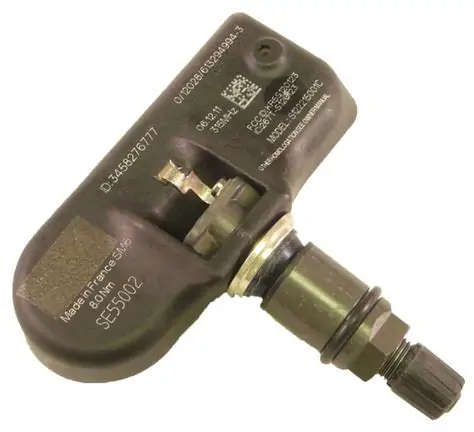
Discover the essentials of TPMS sensors, specifically dill TPMS sensors, their importance, functionality, benefits, and tips for choosing the right ones for your vehicle.When it comes to maintaining optimal vehicle performance and ensuring safety on the road, tire pressure monitoring systems (TPMS) play a vital role. Among the various options available on the market, Dill TPMS sensors stand out for their reliability and advanced technology. Understanding what TPMS sensors are and their importance can significantly enhance your driving experience by preventing potential tire issues. In this blog post, we’ll explore the mechanics behind Dill TPMS sensors, how they work, and the myriad benefits they offer. Additionally, we’ll guide you in choosing the right Dill TPMS sensors for your vehicle, ensuring you have the best monitoring solution for your tire health. Join us as we delve into the world of Dill TPMS sensors and discover why they should be a priority for every conscientious vehicle owner.
What are TPMS sensors?
TPMS stands for Tire Pressure Monitoring System. These sensors are essential components in modern vehicles that monitor the pressure of the tires in real-time. Equipped with advanced technology, TPMS sensors provide crucial data to help maintain optimal tire performance, enhance safety, and improve fuel efficiency.
The main goal of TPMS is to alert drivers to any significant drop in tire pressure, which can lead to dangerous driving conditions, increased tire wear, and reduced fuel economy. By using TPMS sensors, vehicle owners can ensure that their tires remain inflated to the manufacturer’s recommended levels.
Types of TPMS Sensors
- Direct TPMS: This type uses individual sensors mounted on each tire to measure the air pressure directly. When the pressure drops below a certain threshold, the sensor transmits a signal to the car’s onboard computer, triggering a warning light on the dashboard.
- Indirect TPMS: Instead of using physical sensors, this type utilizes the ABS (Anti-lock Braking System) wheel speed sensors to calculate tire pressure by monitoring the rotational speed of each wheel. If a tire is under-inflated, it will have a different rotational speed compared to the properly inflated tires.
TPMS sensors are not only vital for safety, but they also contribute to prolonging the lifespan of your tires and optimizing fuel consumption. Regular checks and maintenance of TPMS sensors are essential to ensure they are functioning correctly and providing accurate readings.
Proper tire pressure isn’t just a recommendation; it’s a necessity for safe driving and optimal car performance.
The importance of dill TPMS sensors
TPMS (Tire Pressure Monitoring System) sensors play a crucial role in vehicle safety and efficiency. Among the various types of TPMS sensors, dill TPMS sensors are well-regarded for their reliability and performance. Let’s explore why these sensors are so important.
Enhancing Safety
One of the most critical functions of dill TPMS sensors is their ability to monitor tire pressure in real-time. This allows drivers to:
- Identify under-inflated tires
- Prevent blowouts and tire damage
- Reduce the risk of accidents caused by tire failure
Improving Fuel Efficiency
Maintaining optimal tire pressure is essential for maximizing fuel efficiency. dill TPMS sensors alert drivers when tire pressures fall below recommended levels, which can lead to:
- Increased rolling resistance
- Higher fuel consumption
- Additional costs at the pump
By ensuring that tires are correctly inflated, dill TPMS sensors contribute to better fuel economy.
Environmental Benefits
Under-inflated tires not only affect your wallet but also have a negative impact on the environment. When tires are not at the correct pressure, vehicles emit more CO2, contributing to air pollution. By utilizing dill TPMS sensors, you can:
- Reduce your carbon footprint
- Lower emissions from your vehicle
Cost Savings on Maintenance
Proper tire maintenance leads to longer tire life. dill TPMS sensors help in timely detection of tire issues before they become serious. This proactive approach can:
- Save money on premature tire replacements
- Decrease the need for other vehicle repairs related to tire problems
Compliance with Regulations
In many regions, having a functioning TPMS is not just a good idea—it’s a legal requirement. dill TPMS sensors ensure that your vehicle complies with safety regulations, helping avoid any potential fines or legal issues.
In summary, the importance of dill TPMS sensors cannot be overstated. They are integral to enhancing safety, improving fuel efficiency, contributing to environmental sustainability, saving costs, and ensuring legal compliance. Regularly checking and maintaining these sensors will ensure that you reap all their benefits.
How do dill TPMS sensors work?
The Dill TPMS sensors are integral components of the Tire Pressure Monitoring System (TPMS) designed to ensure optimal tire pressure in vehicles, thereby enhancing safety and efficiency. Understanding how these sensors work can help vehicle owners appreciate their importance.
1. The Basics of TPMS
TPMS is a system that monitors the air pressure within the tires and alerts the driver if tire pressure falls below a predetermined level. This feature helps prevent accidents caused by under-inflated tires, which can lead to blowouts or decreased fuel efficiency.
2. How Dill TPMS Sensors Function
Dill TPMS sensors operate as follows:
- Pressure Measurement: Each sensor is equipped with a pressure transducer that measures the tire’s air pressure and temperature.
- Data Transmission: The sensor then sends this data to the vehicle’s onboard computer via radio frequency. This transmission occurs regularly to provide real-time updates.
- Alert System: If the sensor detects that the pressure is too low, it triggers a warning light on the dashboard, alerting the driver to take necessary action.
3. Types of Dill TPMS Sensors
Dill offers various types of TPMS sensors, primarily falling into two categories:
| Type | Description |
|---|---|
| Direct TPMS | These sensors are installed within the tire and directly measure tire pressure. |
| Indirect TPMS | These rely on the vehicle’s ABS system to measure tire pressure through wheel speed and other parameters. |
4. Maintenance and Battery Life
It’s important to note that Dill TPMS sensors typically have a battery life of around 5 to 10 years, depending on usage and conditions. Regular checks and timely replacements ensure consistent performance.
“Properly functioning TPMS sensors, like those offered by Dill, are essential for maintaining optimal tire pressure and safety on the road.”
In summary, Dill TPMS sensors play an essential role in vehicle safety, providing timely alerts and data to keep you informed of your tire’s conditions. Their effective operation relies on the accurate measurement of pressure and temperature, the transmission of this data, and the vehicle’s responsive alert system.
Benefits of using dill TPMS sensors
In the world of vehicle maintenance and safety, dill TPMS sensors have become an essential tool for modern drivers. These sensors play a crucial role in monitoring tire pressure and ensuring optimal vehicle performance. Below are some key benefits of utilizing dill TPMS sensors:
- Enhanced Safety: Proper tire pressure is vital for safe driving. dill TPMS sensors alert drivers to under-inflated or over-inflated tires, minimizing the risk of blowouts and accidents.
- Improved Fuel Efficiency: Maintaining the correct tire pressure can significantly boost fuel efficiency. When tires are properly inflated, less energy is required to move the vehicle, leading to better gas mileage.
- Extended Tire Life: Regular monitoring of tire pressure via dill TPMS sensors helps prevent uneven tire wear, allowing tires to last longer and saving money on replacements.
- Convenient Monitoring: With dill TPMS sensors, drivers can easily monitor tire pressure without needing to check each tire manually. This real-time data is invaluable for maintaining vehicle health.
- Cost-Effectiveness: By preventing tire-related issues before they escalate, dill TPMS sensors can save drivers significant costs associated with repairs and accidents.
Overall, the integration of dill TPMS sensors into vehicle safety systems not only promotes better driving practices but also enhances the overall driving experience. Investing in these sensors is an investment in safety, efficiency, and savings.
Choosing the right dill TPMS sensors
When it comes to enhancing vehicle safety and performance, selecting the dill TPMS sensors that best suit your needs is crucial. Tire Pressure Monitoring Systems (TPMS) are essential for maintaining optimal tire pressure, which plays a vital role in vehicle safety, fuel efficiency, and tire longevity. Here are some key considerations to help you choose the right dill TPMS sensors for your vehicle:
1. Understand the Types of TPMS Sensors
There are two main types of TPMS sensors:
- Direct TPMS Sensors: These sensors measure the actual tire pressure and send data directly to the vehicle’s onboard computer. They offer real-time pressure readings.
- Indirect TPMS Sensors: These sensors work with the vehicle’s ABS (Anti-lock Braking System) to estimate tire pressure based on wheel speed. They are less accurate than direct sensors.
2. Compatibility with Your Vehicle
Ensure that the dill TPMS sensors you are considering are compatible with your vehicle’s make and model. Not all sensors are universally compatible, so check the specifications or consult with a professional.
3. Sensor Quality and Reliability
Selecting high-quality, reliable sensors is paramount. Look for dill TPMS sensors that are known for durability and performance, particularly those that come with warranties or positive user reviews.
4. Frequency and Communication Protocol
TPMS sensors operate on specific frequencies (e.g., 315 MHz or 433 MHz). Ensure that the sensors you choose operate on the frequency compatible with your vehicle. Additionally, consider the communication protocol used by the sensors to ensure seamless integration with your vehicle.
5. Budget Considerations
While it may be tempting to choose the cheapest option, investing in quality dill TPMS sensors can save you money in the long run. Cheaper sensors may lead to improper readings and could ultimately endanger your safety.
6. Professional Installation
Consider whether you will be installing the dill TPMS sensors yourself or seeking professional help. Some sensors require specific tools and expertise for installation. Professional installation may ensure proper setup and functionality.
By considering these factors, you can choose the right dill TPMS sensors that will enhance your vehicle’s safety, performance, and efficiency. Investing in the right equipment will give you peace of mind on the road and contribute to better vehicle maintenance.
Frequently Asked Questions
What are TPMS sensors?
TPMS stands for Tire Pressure Monitoring System. TPMS sensors are devices that monitor the air pressure inside tires and alert the driver if the pressure is too low or too high.
Why is it important to use Dill TPMS sensors?
Dill TPMS sensors are known for their reliability and accuracy. They help ensure that your tires are properly inflated, which can enhance safety, improve fuel efficiency, and extend tire life.
How do Dill TPMS sensors work?
Dill TPMS sensors work by using a pressure sensor located inside each tire. They continuously monitor tire pressure and send alerts to the vehicle’s onboard computer if any tire pressure falls below or exceeds a specified threshold.
Can I replace my TPMS sensors with Dill sensors?
Yes, you can replace your existing TPMS sensors with Dill sensors, provided they are compatible with your vehicle’s system. It’s important to consult the vehicle’s manual or a professional to ensure correct installation.
What are some common issues with TPMS sensors?
Common issues with TPMS sensors can include battery failure, damage to the sensor due to road debris, and malfunction due to improper installation. Regular maintenance and checks can help avoid these issues.
How do I know if my TPMS sensors need to be replaced?
If the TPMS warning light on your dashboard illuminates, it may indicate that your sensors are malfunctioning or that tire pressure is low. If the issue persists after inflating tires properly, you may need to have the sensors inspected or replaced.
Where can I purchase Dill TPMS sensors?
Dill TPMS sensors can be purchased from various automotive parts retailers, online marketplaces, or directly through authorized dealerships. Be sure to check for compatibility with your vehicle before buying.