
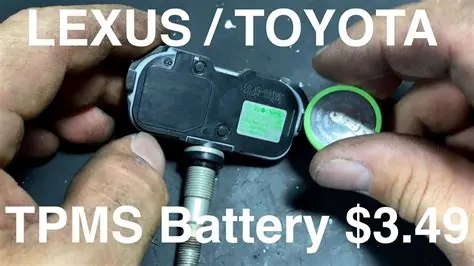
Learn about TPMS sensors, their importance, how to check, replace, and calibrate them to ensure your vehicle’s safety and performance.When it comes to vehicle safety, tire pressure monitoring systems (TPMS) play a crucial role, especially in cars like the 2010 Toyota Corolla. This innovative technology continuously tracks tire pressure and alerts drivers to any significant changes, helping to prevent blowouts and enhancing overall vehicle performance. In this blog post, we’ll delve into the intricacies of the TPMS sensor, exploring its function and significance in maintaining your Corolla’s safety and efficiency. We’ll guide you through how to check the TPMS sensor, when to consider a replacement, and the steps to calibrate it effectively. Whether you’re a seasoned mechanic or a curious car owner, understanding your TPMS sensor will empower you to keep your Toyota Corolla running smoothly and safely on the road.
Understanding TPMS Sensor
The Tire Pressure Monitoring System (TPMS) sensor plays a crucial role in ensuring the safety and efficiency of your vehicle. Specifically designed to monitor the air pressure within the tires of your vehicle, this technology helps prevent tire-related issues that can lead to accidents or significant vehicle damage.
For a 2010 Toyota Corolla, the TPMS indicator light serves as a warning signal to alert the driver when tire pressure is below the recommended level. Understanding how this sensor works can help in maintaining optimal tire health and performance.
How TPMS Sensors Work
TPMS sensors operate by measuring the air pressure inside the tires. When the pressure drops below the manufacturer’s specified threshold, the sensors relay this information to the vehicle’s onboard computer system, which then triggers the warning light on the dashboard. There are two types of TPMS:
- Direct TPMS: Uses pressure sensors mounted inside the tire to provide real-time tire pressure readings.
- Indirect TPMS: Monitors the rotational speed of the tires to detect variations that suggest a pressure drop.
Benefits of TPMS Sensors
There are several benefits of having a functioning TPMS sensor, particularly for your 2010 Toyota Corolla:
- Improved safety by reducing the risk of blowouts.
- Enhanced fuel efficiency as properly inflated tires can improve gas mileage.
- Longer tire life, as maintaining the correct pressure helps prevent uneven wear.
- Environmental benefits by reducing tire waste and lowering carbon emissions.
Common Issues with TPMS Sensors
While TPMS sensors greatly enhance vehicle safety, they can encounter issues over time. Common problems include:
Dead batteries: The batteries in the sensors may need replacement after several years.
Sensor damage: Impact or rough terrain can damage the sensors, leading to inaccurate readings.
Reprogramming needs: After tire rotation or replacement, sensors may need reprogramming to maintain accuracy.
Understanding the TPMS sensor in your 2010 Toyota Corolla is essential for ensuring your vehicle runs safely and efficiently on the road. Regular checks and maintenance of the TPMS can prevent costly repairs and keep you and your passengers safer during your travels.
Importance of TPMS Sensor
The Tire Pressure Monitoring System (TPMS) is an essential feature in modern vehicles like the 2010 Toyota Corolla. It plays a crucial role in vehicle safety and efficiency by continuously monitoring tire pressure and alerting the driver to any discrepancies.
Key Reasons Why TPMS is Important:
- Enhances Safety: Maintaining optimal tire pressure helps prevent blowouts and accidents caused by under-inflated tires.
- Improves Fuel Efficiency: Properly inflated tires reduce rolling resistance, which can improve mileage and save on fuel costs.
- Extends Tire Life: Correct tire pressure can lead to even tire wear, thus extending the lifespan of the tires.
- Environmental Impact: By optimizing fuel efficiency, TPMS indirectly contributes to reducing greenhouse gas emissions.
The TPMS sensor in your 2010 Toyota Corolla is designed to provide real-time updates on tire pressure. This feature allows drivers to take immediate action to correct any issues, thereby enhancing overall driving safety.
Regular maintenance of TPMS can prevent costly repairs and enhance vehicle performance.
Understanding the importance of your TPMS sensor not only enhances your driving experience but also contributes to a safer road environment for everyone.
Checking TPMS Sensor
The Tire Pressure Monitoring System (TPMS) sensor is a crucial component of modern vehicles, including the 2010 Toyota Corolla. This system helps in maintaining optimal tire pressure, which is essential for safety, fuel efficiency, and tire longevity. Checking the TPMS sensor regularly ensures that it functions correctly. Here’s how to do it:
Step-by-Step Guide to Checking TPMS Sensor
- Turn on the Ignition: Start your vehicle or turn the key to the ‘on’ position without starting the engine.
- Look for Dashboard Warning Light: Check the dashboard for the TPMS warning light. It usually appears as an exclamation mark within a horseshoe shape. If illuminated, it indicates an issue with tire pressure or the TPMS itself.
- Inspect Tire Pressures: Use a tire pressure gauge to measure the pressure in all tires, including the spare if equipped with a TPMS sensor. Refer to your vehicle’s manual for the recommended pressure levels.
- Check for Physical Damage: Inspect each tire and the corresponding sensor for any signs of damage, such as cracks, dents, or corrosion.
- Use a TPMS Tool: If available, use a TPMS diagnostic tool to read any fault codes stored in the system. This tool can help identify whether the issue lies within the sensor or elsewhere in the system.
- Reset the TPMS: After checking and rectifying tire pressures, you might need to reset the TPMS. Refer to the owner’s manual for the correct reset procedure.
What to Do If the TPMS Sensor Is Malfunctioning
Should you find that the TPMS sensor is malfunctioning, consider the following steps:
- Recheck Tire Pressures: Ensure all tires are at the recommended pressure levels.
- Inspect Sensors: If physically damaged, you may need to replace the affected sensors.
- Consult a Professional: If the issue persists, take your vehicle to a certified technician for further diagnosis and repair.
Regularly checking your TPMS sensor not only enhances your safety but also extends the life of your tires. – Automotive Expert
By regularly checking your TPMS sensor, you ensure it operates effectively, keeping your tires in great condition and enhancing your driving experience.
Replacing TPMS Sensor
Replacing the TPMS sensor in your 2010 Toyota Corolla is an important task to ensure your vehicle’s tire pressure monitoring system is functioning correctly. The TPMS (Tire Pressure Monitoring System) plays a crucial role in keeping your tires inflated to the proper levels, which contributes to safety and fuel efficiency.
When to Replace the TPMS Sensor
It’s essential to recognize the signs that indicate a need for TPMS sensor replacement. Common indicators include:
- Illuminated warning light on the dashboard.
- Inconsistent tire pressure readings.
- Warning chimes or alerts when tires are adequately inflated.
Steps to Replace the TPMS Sensor
Below are the general steps for replacing the TPMS sensor in your car:
- Gather Necessary Tools: You’ll need a tire pressure gauge, a socket set, a TPMS tool, and a replacement sensor kit.
- Lift the Vehicle: Use a jack to lift the car and secure it with jack stands.
- Remove the Tire: Take off the tire where you need to replace the TPMS sensor.
- Remove the Old Sensor: Unscrew and disconnect the old TPMS sensor from the valve stem.
- Install the New Sensor: Attach the new sensor to the valve stem and ensure it is secure.
- Reinstall the Tire: Put the tire back on the vehicle and tighten the lug nuts.
- Reset the TPMS: Reset the system using your vehicle’s TPMS tool or follow the reset procedure in the owner’s manual.
Post-Replacement Checks
After replacing the TPMS sensor, it’s important to perform the following checks:
- Verify that the warning light goes off after the system reset.
- Check that the tire pressures are accurately monitored.
Recommendation
Always consider consulting a professional mechanic if you’re unsure about replacing the TPMS sensor yourself. They can ensure that the installation is done correctly and that your system is functioning efficiently.
Maintaining a properly working TPMS is vital for your safety on the road, so address any problems promptly.
Calibrating TPMS Sensor
Calibrating your TPMS sensor is a crucial part of maintaining your vehicle’s tire monitoring system, particularly for a vehicle like the 2010 Toyota Corolla. Proper calibration ensures that the tire pressure is accurately monitored, which can significantly enhance your safety on the road.
In this section, we will walk you through the steps and methods involved in calibrating your TPMS sensor.
Why Calibrate Your TPMS Sensor?
- Accuracy: Calibration ensures that tire pressure readings are precise.
- Safety: Properly calibrated sensors alert you to low tire pressure, reducing the risk of blowouts.
- Performance: Maintaining optimal tire pressure can improve fuel efficiency and extend tire lifespan.
Steps to Calibrate Your TPMS Sensor
Typically, TPMS calibration can be performed using one of the following methods:
| Method | Description |
|---|---|
| Manual Calibration | Turn on the ignition without starting the engine, then press and hold the TPMS reset button until the TPMS indicator blinks three times. |
| Using a Scan Tool | Connect an OBD-II scan tool to your vehicle, navigate to the TPMS section, and follow the prompts to calibrate the sensors. |
| Driving Calibration | Some systems may automatically calibrate as you drive for a certain distance (usually 10 minutes at speeds above 50 mph). |
Things to Consider
When attempting to calibrate your TPMS sensor, keep the following points in mind:
- Always ensure that your tires are inflated to the recommended pressure before calibration.
- If the TPMS warning light remains on after calibration, there may be a fault in the system requiring professional diagnostics.
- Check your owner’s manual for specific instructions related to the 2010 Toyota Corolla.
Final Thoughts
Regular calibration of your TPMS sensor is an essential step in ensuring the tire monitoring system functions correctly. By following the recommended steps and taking the necessary precautions, you can enhance the overall safety and performance of your 2010 Toyota Corolla.
Frequently Asked Questions
What is a TPMS sensor in a 2010 Toyota Corolla?
The TPMS (Tire Pressure Monitoring System) sensor in a 2010 Toyota Corolla monitors the air pressure in the tires and alerts the driver if the pressure is too low.
How do I know if my 2010 Toyota Corolla TPMS sensor is malfunctioning?
If the TPMS light on your dashboard stays illuminated or blinks, it may indicate a malfunction in the sensor or an issue with tire pressure.
What should I do if the TPMS light is on in my 2010 Toyota Corolla?
Check the tire pressures for each tire, including the spare. If they are properly inflated and the light remains on, it’s advisable to have the system checked by a professional.
Can I reset the TPMS sensor on a 2010 Toyota Corolla myself?
Yes, you can reset the TPMS sensor by driving the vehicle for approximately 10 minutes above 50 mph, or you may need to use a TPMS reset tool or follow the reset procedure in the owner’s manual.
How often should I replace the TPMS sensors in a 2010 Toyota Corolla?
It’s generally recommended to replace TPMS sensors every 5 to 10 years or when you replace your tires, as their batteries may degrade over time.
What causes TPMS sensors to fail in a 2010 Toyota Corolla?
TPMS sensors can fail due to battery depletion, corrosion, damage from road hazards, or exposure to extreme temperatures.
Are there any aftermarket options for TPMS sensors compatible with the 2010 Toyota Corolla?
Yes, there are various aftermarket TPMS sensors available that are compatible with the 2010 Toyota Corolla, but it’s essential to ensure they meet OEM specifications for proper functionality.