
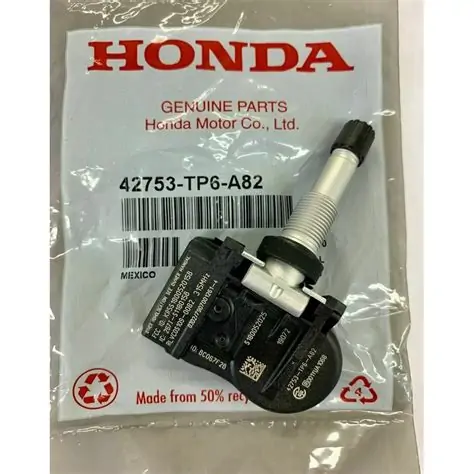
Discover the significance of TPMS sensors in Honda vehicles, how they work, their benefits, and essential maintenance tips for optimal performance.If you drive a Honda, you may have heard of TPMS sensors, but do you know what they truly are and how they work? Tire Pressure Monitoring Systems (TPMS) play a crucial role in ensuring your vehicle’s safety and performance by continuously monitoring your tire pressure. With Honda making advances in technology and safety, understanding the importance of these sensors for your vehicle becomes paramount. In this blog post, we will delve into what TPMS sensors are, how they function in Honda vehicles, and the advantages they provide. Additionally, we’ll discuss essential maintenance tips and when to consider replacement. Stay tuned to learn more about how TPMS sensors contribute to a safer and more efficient driving experience.
What are TPMS sensors?
TPMS stands for Tire Pressure Monitoring System, a crucial safety feature in modern vehicles, including Honda cars. These sensors are designed to monitor the tire pressure in real-time, alerting the driver when the pressure falls below a certain threshold. Maintaining the correct tire pressure is essential for vehicle safety, fuel efficiency, and overall performance.
There are two main types of TPMS:
- Direct TPMS: This system uses pressure sensors located inside each tire to provide real-time data. These sensors communicate with the vehicle’s onboard computer to display tire pressure readings.
- Indirect TPMS: This system does not have dedicated pressure sensors. Instead, it uses the vehicle’s ABS (anti-lock braking system) sensors to monitor wheel speed and make inferences about tire pressure based on changes in tire rotation.
The TPMS sensors are typically located within the tire or attached to the wheel assembly. When the tire pressure is low, the system triggers a warning light on the dashboard, prompting the driver to check and inflate the tires as needed. This safety feature is particularly important for Honda vehicles, known for their reliability and safety standards.
“Keeping your tires properly inflated can improve fuel economy and extend the life of your tires.” – Automotive Safety Expert
In summary, TPMS sensors play a vital role in enhancing safety and efficiency while driving, making them an essential component in Honda vehicles and many others.
Importance of TPMS for Honda vehicles
The Tire Pressure Monitoring System (TPMS) is an essential feature in modern Honda vehicles, contributing significantly to both safety and performance. The system continuously monitors the air pressure in each tire and alerts the driver if a tire is under-inflated or over-inflated. Understanding the importance of TPMS can enhance the driving experience and prolong the lifespan of tires.
Safety First
One of the primary reasons why TPMS is crucial for Honda vehicles is safety. Proper tire pressure is vital for optimal handling, braking, and overall vehicle performance. Here are some key safety benefits of TPMS:
- Prevents Blowouts: Low tire pressure increases the risk of tire blowouts, which can lead to accidents.
- Improves Stability: Maintains vehicle stability during turns and high-speed driving.
- Enhanced Braking: Properly inflated tires provide better grip, reducing stopping distances.
Performance Efficiency
Another critical aspect of TPMS is the impact on vehicle performance:
- Mileage Improvement: Correct tire pressure maximizes fuel efficiency, thereby saving money over time.
- Even Wear: Monitoring tire pressure helps prevent uneven tire wear, leading to a longer tire life.
Environmental Benefits
Utilizing TPMS in Honda vehicles also aligns with environmental sustainability:
- Reduced Emissions: Improved fuel efficiency leads to lower CO2 emissions.
- Resource Conservation: Proper tire maintenance reduces the need for premature tire replacements, conserving resources.
Ultimately, the importance of TPMS in Honda vehicles cannot be overstated. With enhanced safety, improved performance, and positive environmental impacts, TPMS is a vital feature every Honda owner should be aware of and maintain.
How TPMS sensors work in Honda cars
Tire Pressure Monitoring System (TPMS) sensors are crucial components in modern Honda vehicles. They play a vital role in monitoring the air pressure in your tires, ensuring your safety and enhancing the overall performance of the car.
Types of TPMS Sensors
There are two primary types of TPMS sensors found in Honda vehicles:
- Direct TPMS: This system uses sensors mounted on the wheels to measure the tire pressure directly. These sensors send real-time data to the vehicle’s onboard computer system, allowing drivers to receive immediate notifications if tire pressure falls below the recommended level.
- Indirect TPMS: This system does not have physical sensors in the tires. Instead, it monitors the rotational speed of the wheels using the anti-lock braking system (ABS). If a tire is under-inflated, it will rotate faster than adequately inflated tires, triggering a warning light on the dashboard.
How TPMS Sensors Function
TPMS sensors in Honda vehicles function as follows:
- Pressure Measurement: Direct TPMS sensors are equipped with a small battery-operated transmitter that captures the tire’s air pressure and temperature, transmitting this information wirelessly to the vehicle’s computer.
- Data Processing: The onboard computer continuously analyzes the data received from the TPMS sensors. If it detects that tire pressure is too low or too high, it triggers a warning light on the dashboard.
- Alerts & Notifications: Once the system identifies a problem, it notifies the driver through visual and auditory alerts, prompting them to check tire pressure or visit a service center.
Advantages of TPMS
Using TPMS sensors ensures several benefits, including:
- Safety: Maintaining optimal tire pressure reduces the risk of tire blowouts and improves vehicle handling and stability.
- Fuel Efficiency: Properly inflated tires enhance fuel efficiency, helping you save money at the pump.
- Longevity of Tires: Regular monitoring of tire pressure extends the life of tires by preventing uneven wear.
In summary, TPMS sensors in Honda vehicles are essential for maintaining safe driving conditions, improving fuel efficiency, and prolonging tire longevity. Understanding how these sensors work will not only help in maintaining your vehicle better but will also maximize your driving experience.
Benefits of having TPMS sensors in Honda
The Tire Pressure Monitoring System (TPMS) is an essential safety feature in modern vehicles, particularly in Honda cars. This system plays a crucial role in monitoring your tire pressure and ensuring that your tires are always at optimal levels. Below are some key benefits of having TPMS sensors in your Honda vehicle:
- Enhanced Safety: Maintaining proper tire pressure is vital for vehicle safety. TPMS sensors alert drivers to any significant pressure drops, helping to prevent blowouts and accidents.
- Improved Fuel Efficiency: Under-inflated tires can lead to increased rolling resistance, which means your Honda has to work harder and consume more fuel. With TPMS, you can ensure your tires are inflated to the correct pressure, enhancing fuel efficiency.
- Extended Tire Life: Consistent monitoring of tire pressure helps prevent uneven wear and tear on your tires. By keeping your tires properly inflated, you can extend their service life, saving you money on replacements.
- Enhanced Performance: Proper tire pressure is key to vehicle handling and performance. With TPMS installed, your Honda can maintain better traction and stability, particularly in adverse weather conditions.
- Convenience: Many Honda models come with a built-in TPMS display, allowing you to monitor tire pressure easily. This convenience means you can quickly check and adjust your tire pressure as needed, without the hassle of manual checks.
If you own a Honda, investing in a vehicle equipped with TPMS sensors is undoubtedly beneficial. This advanced technology not only contributes to your safety but also enhances the overall efficiency and performance of your vehicle.
Maintenance and replacement of TPMS sensors in Honda
The Tire Pressure Monitoring System (TPMS) in Honda vehicles plays a vital role in maintaining safety and efficiency on the road. However, with time and usage, TPMS sensors may require maintenance or replacement. Here’s what you need to know about ensuring your TPMS sensors remain in optimal condition.
Importance of Regular Maintenance
Regular maintenance of your TPMS sensors is essential for several reasons:
- Safety: Keeping your tire pressure in check prevents blowouts and accidents.
- Fuel Efficiency: Properly inflated tires enhance fuel efficiency, saving you money.
- Longevity: Regular checks extend the life of your tires, providing better value.
How to Maintain TPMS Sensors
Here are some key maintenance tips for the TPMS sensors in your Honda:
- Check Tire Pressure Regularly: Make it a habit to monitor your tire pressure at least once a month. Use a reliable tire pressure gauge.
- Professionally Inspected: Have your TPMS sensors inspected during regular service intervals to ensure proper functionality.
- Battery Life: Many TPMS sensors are battery-operated. If your warning light illuminates, it may be time to replace the batteries.
- Replace Worn Tires: If your tires show signs of wear and tear, replace them promptly to avoid damaging the sensors.
When to Replace TPMS Sensors
There are specific indicators that your TPMS sensors may need replacement:
- Warning Light: The warning light on your dashboard indicates an issue with the tire pressure or the sensors themselves.
- Frequent Alerts: If you’re receiving frequent alerts about tire pressure even after recalibrating, it might signal a malfunction.
- Physical Damage: Any signs of physical damage or corrosion on the sensors should prompt an immediate replacement.
Cost of Replacement
The cost to replace TPMS sensors in Honda vehicles can vary based on several factors:
| Factor | Estimated Cost |
|---|---|
| Sensor Price (each) | $30 – $100 |
| Labor Charges | $50 – $100 |
| Sensor Reprogramming (if needed) | $25 – $75 |
It’s advisable to check with your local Honda dealer for accurate pricing and recommendations.
Conclusion
Maintaining and replacing TPMS sensors in your Honda is essential for ensuring safety, efficiency, and long-term performance. By following the maintenance tips and being aware of when to replace your sensors, you can keep your vehicle operating smoothly.
Frequently Asked Questions
What is a TPMS sensor?
A TPMS (Tire Pressure Monitoring System) sensor is a device that monitors the air pressure inside the tires of a vehicle to ensure they are properly inflated, enhancing safety and fuel efficiency.
Why are TPMS sensors important for Honda vehicles?
TPMS sensors are crucial for Honda vehicles as they help prevent tire blowouts, improve handling, enhance fuel economy, and ensure a safer driving experience by alerting the driver about low tire pressure.
How do TPMS sensors work in Honda cars?
In Honda cars, TPMS sensors use a combination of pressure sensors and transmitters to send tire pressure information to the vehicle’s onboard computer, which then alerts the driver via a dashboard warning light if any tire is under-inflated.
Can I replace TPMS sensors in my Honda myself?
While it is possible to replace TPMS sensors yourself, it requires specialized tools and knowledge. It is often recommended to have a professional perform the replacement to ensure proper installation and programming.
What are the signs that a TPMS sensor needs to be replaced in a Honda?
Signs that a TPMS sensor may need to be replaced include the TPMS warning light remaining on even after tires are inflated properly, inconsistent readings, or a complete failure to detect tire pressure.
Do TPMS sensors require maintenance or battery replacement?
Yes, TPMS sensors typically have a battery life of about 5-10 years, and they may require replacement once the battery dies. Regular checks can help determine if the sensors are functioning correctly.
What should I do if my TPMS warning light comes on in my Honda?
If your TPMS warning light comes on, check the tire pressures immediately. If they are low, inflate them to the recommended levels. If the light remains on after ensuring proper inflation, consult a mechanic to diagnose potential sensor issues.