
Discover the significance, functionality, and signs of faulty TPMS sensors, along with essential tips for their replacement. Ensure safe driving with proper tire monitoring.When it comes to vehicle safety and performance, understanding your car’s Tire Pressure Monitoring System (TPMS) is essential. Tacoma vehicles, like many others, rely on TPMS sensors to keep drivers informed about tire pressure, a critical factor for safe driving. in this blog post, we’ll explore what TPMS sensors are, their importance, and how they function within your Tacoma. We’ll also discuss the common signs that indicate a faulty sensor and the necessary steps for replacement. Whether you’re a Tacoma owner or simply interested in automotive technology, this guide will provide valuable insights into maintaining your vehicle’s tire health. Let’s dive into the world of TPMS sensors and learn how they contribute to a safer driving experience.
What are TPMS sensors?
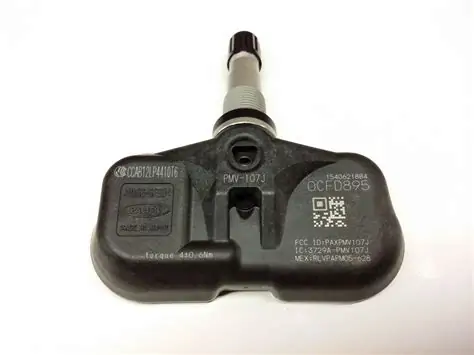
TPMS stands for Tire Pressure Monitoring System. It is an essential safety feature found in modern vehicles, including the Toyota Tacoma. The primary function of TPMS sensors is to monitor the air pressure inside the tires and alert the driver when the pressure falls below a specified threshold.
There are two types of TPMS sensors: direct and indirect.
| Type of TPMS | Description |
|---|---|
| Direct TPMS | Uses sensors mounted on each tire to measure the actual tire pressure and sends this information directly to the vehicle’s onboard computer. |
| Indirect TPMS | Does not use dedicated pressure sensors. Instead, it estimates tire pressure based on the ABS system’s wheel speed sensors. |
Regardless of the type, TPMS sensors play a critical role in maintaining tire health and ensuring safe driving conditions. A functioning TPMS can help improve fuel efficiency, enhance tire longevity, and reduce the risk of tire blowouts.
The advancement in technology has greatly improved the accuracy and reliability of TPMS sensors, making them a staple in today’s automotive safety features. Regular maintenance and awareness of TPMS sensors is crucial for every Tacoma owner to ensure a smooth and safe driving experience.
Importance of TPMS sensors
Tire Pressure Monitoring System (TPMS) sensors are vital components in modern vehicles, including the popular Tacoma. Their primary purpose is to monitor the air pressure within your tires and alert the driver if the pressure drops below safe levels. Understanding the importance of these sensors can help in ensuring vehicle safety and maintaining optimal performance.
Here are several reasons why TPMS sensors are crucial for your Tacoma:
- Enhanced Safety: Low tire pressure can lead to tire blowouts, which pose significant risks while driving. TPMS sensors provide timely alerts to prevent such incidents.
- Improved Fuel Efficiency: Properly inflated tires ensure better fuel economy. When your tires are at the correct pressure, your vehicle experiences less rolling resistance, leading to improved gas mileage.
- Extended Tire Lifespan: By regularly monitoring tire pressure, TPMS helps in prolonging the life of your tires. Under-inflated tires wear out faster, costing more in replacements.
- Environmentally Friendly: Well-maintained tires contribute to lower emissions and less fuel consumption, aligning with environmental conservation goals.
- Legal Compliance: In some regions, vehicles are required by law to be equipped with TPMS. Understanding how your Tacoma adheres to these regulations can help in compliance.
The integration of TPMS sensors in your Tacoma is not just a feature; it’s an essential element that enhances your driving experience. By recognizing their importance, you can take proactive steps to ensure their functionality and reliability.
“Safety is not a gadget but a state of mind.” – Eleanor Everet
In summary, the role of TPMS sensors can never be underestimated. They provide essential information that affects both the safety and efficiency of your vehicle, making them a crucial aspect of modern automotive technology.
How TPMS sensors work
The Tire Pressure Monitoring System (TPMS) is an essential safety feature in modern vehicles, including the popular Toyota Tacoma. Understanding how TPMS sensors work can enhance your maintenance knowledge and ensure optimal vehicle performance. Here’s a detailed look at the inner workings of these sensors.
Types of TPMS Sensors
There are two main types of TPMS sensors:
- Direct TPMS: These sensors are mounted inside the tire, directly measuring the air pressure. They provide real-time data to the vehicle’s onboard computer.
- Indirect TPMS: These sensors do not measure tire pressure directly. Instead, they use the vehicle’s ABS (Anti-lock Braking System) to monitor wheel speed. If a wheel rotates faster than the others, it could indicate low tire pressure.
How Direct TPMS Sensors Work
Direct TPMS sensors feature a pressure sensor, a temperature sensor, and a battery. Here’s how they function:
- The sensor continuously monitors the tire pressure inside the tire.
- When the air pressure drops below a pre-set threshold, the sensor activates and sends a signal to the vehicle’s ECU (Engine Control Unit).
- The ECU interprets this signal and, if necessary, triggers a warning light on the dashboard.
How Indirect TPMS Sensors Work
In contrast, indirect TPMS systems rely on wheel speed data:
- The ABS monitors the rotating speed of each wheel.
- If a wheel’s rotational speed is significantly higher or lower than the others, the system infers that the affected wheel may have low tire pressure.
- This difference triggers a warning in the vehicle’s dashboard display.
Communication Process
Both types of TPMS sensors communicate with the vehicle’s ECU as follows:
| Process | Direct TPMS | Indirect TPMS |
|---|---|---|
| Measurement | Direct pressure measurement | Wheel speed comparison |
| Signal | Transmits pressure data | Alerts based on speed variation |
| Warning Indication | Dashboard light for low pressure | Dashboard light for pressure discrepancy |
In summary, whether your Tacoma is equipped with direct or indirect TPMS sensors, they play a crucial role in monitoring tire pressure and promoting safe driving. Regular checks and maintenance will ensure these systems function correctly, thereby enhancing your vehicle’s performance and safety.
Signs of faulty TPMS sensors
Tire Pressure Monitoring System (TPMS) sensors are critical components for vehicle safety, especially for your Tacoma. When these sensors malfunction, they can lead to serious issues. Here are some signs of faulty TPMS sensors that every Tacoma owner should be aware of:
- Warning Light: The most obvious sign of a faulty TPMS sensor is the TPMS warning light illuminated on your dashboard. This light indicates that one or more of your tire pressures may be incorrect or that there’s a malfunction in the monitoring system.
- Inaccurate Pressure Readings: If you notice that the pressure readings on your dashboard are significantly off from the actual tire pressure, this could mean that the TPMS sensors are not functioning correctly.
- Frequent Flat Tire Notifications: Receiving alerts about flat tires, even when your tires are adequately inflated, is another sign of faulty sensors.
- Extended Warning Period: If the TPMS warning light remains on even after checking and correcting the tire pressures, it could indicate a problem with the sensors themselves.
- Physical Damage: Inspecting the tires for any visible damage to the sensors, especially after a tire change or if you’ve hit a pothole, can provide insights into potential malfunctions.
If you observe any of these signs, it is essential to get your Tacoma’s TPMS sensors checked by a professional. Ignoring these symptoms could lead to more severe tire issues and compromise your vehicle’s safety.
Replacing TPMS sensors
Replacing TPMS sensors is an essential task for vehicle maintenance, especially for ensuring optimal safety and performance. TPMS, or Tire Pressure Monitoring System, sensors play a crucial role in monitoring the air pressure within your tires. Over time, these sensors can fail or become inaccurate, necessitating their replacement.
When to Replace TPMS Sensors
- Battery Life: Most TPMS sensors are equipped with batteries that have a limited lifespan, usually around 5-10 years. If your TPMS warning light is on and your tires are correctly inflated, it may indicate that the sensor battery has failed.
- Physical Damage: If the sensor has been exposed to harsh conditions or has been damaged during a tire change, it may need to be replaced.
- Frequent Warning Lights: Frequent illuminations of the TPMS warning light could be a sign that the sensors are faulty and need replacement.
Steps to Replace TPMS Sensors
- Gather Necessary Tools: You will need a tire pressure gauge, a jack, a lug wrench, and the replacement TPMS sensors.
- Lift the Vehicle: Use the jack to elevate your vehicle and secure it on jack stands for safety.
- Remove the Tire: Using the lug wrench, carefully remove the lug nuts and take off the tire to access the sensor.
- Detach the Old Sensor: Locate the TPMS sensor and unscrew it from the valve stem. Carefully detach any wiring if necessary.
- Install the New Sensor: Attach the new TPMS sensor to the valve stem, making sure it is secured tightly.
- Reattach the Tire: Place the tire back on the wheel hub, screw on the lug nuts, and lower the vehicle back to the ground.
- Check the TPMS Function: After replacing the sensors, check to ensure that the TPMS light on your dashboard is functioning correctly and not indicating any issues.
Post-Replacement Considerations
After replacing your TPMS sensors, it’s important to reset the system as per your vehicle manufacturer’s instructions. Additionally, regular maintenance checks on your tire pressure can prolong the lifespan of your sensors and ensure they’re kept in optimal working condition.
Should you not feel comfortable replacing the sensors yourself, it is always a good idea to consult a professional mechanic for assistance.
Frequently Asked Questions
What are Tacoma TPMS sensors?
Tacoma TPMS sensors are tire pressure monitoring system sensors specifically designed for Toyota Tacoma vehicles. They monitor the tire pressure in real-time and alert the driver if the pressure drops below a certain level.
How do you know if your Tacoma TPMS sensors are malfunctioning?
Signs of malfunctioning Tacoma TPMS sensors include a warning light on the dashboard, irregular tire pressure readings, or inconsistent data across the sensors. If you experience these issues, it may be time to inspect or replace the sensors.
Can I replace Tacoma TPMS sensors myself?
Yes, you can replace Tacoma TPMS sensors yourself if you have the necessary tools and experience. However, it’s recommended to consult a professional if you’re unsure, as improper installation can lead to further issues.
How often should I check my Tacoma TPMS sensors?
It’s a good practice to check your Tacoma TPMS sensors every month or before long trips. Regular checks ensure that the sensors are functioning correctly and that your tires are properly inflated.
What should I do if my TPMS warning light is on?
If your TPMS warning light is on, you should check the tire pressures of all four tires, including the spare. If the pressures are normal, the sensors may need servicing or replacement.
Are there aftermarket options for Tacoma TPMS sensors?
Yes, there are several aftermarket options available for Tacoma TPMS sensors. However, it’s important to ensure that they are compatible with your vehicle model to avoid issues.
What are the benefits of using TPMS sensors in my Tacoma?
The benefits of using TPMS sensors in your Tacoma include improved safety through proper tire inflation monitoring, better fuel efficiency by ensuring tires are adequately inflated, and longer tire lifespan due to optimal pressure management.