
Learn about TPMS sensors, their importance, signs of faults, diagnosis methods, and replacement tips for maintaining your vehicle’s tire safety.Navigating the complexities of vehicle maintenance often includes understanding critical components like the Tire Pressure Monitoring System (TPMS) sensor, especially for the 2007 Chevy Silverado. This small yet vital device plays a significant role in ensuring your tires are properly inflated, contributing to safety, fuel efficiency, and overall vehicle performance. Ignoring the signs of a faulty TPMS sensor can lead to more severe problems down the line, impacting not just tire health but also driving safety. In this blog post, we will delve into what a TPMS sensor is, why it matters, how to recognize signs of malfunction, the steps to diagnose sensor issues, and the process of replacing them. Whether you’re a seasoned DIY enthusiast or a concerned Silverado owner, this guide will equip you with the knowledge to maintain peak performance from your vehicle.
What is a TPMS sensor?
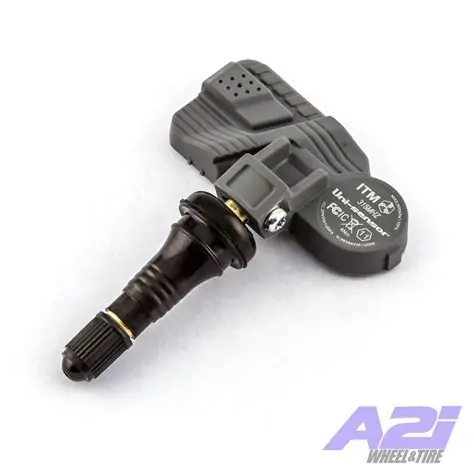
A Tire Pressure Monitoring System (TPMS) sensor is a crucial component of modern vehicles, including the 2007 Chevy Silverado. Its primary function is to continuously monitor the inflation pressure of the vehicle’s tires, ensuring that they are inflated to the manufacturer’s recommended levels.
TPMS sensors are designed to enhance safety and performance by providing real-time data about tire pressure. They typically communicate with the vehicle’s onboard computer system to alert the driver when tire pressure drops below a specific threshold. There are two main types of TPMS:
- Direct TPMS: This system uses individual sensors mounted on each tire that measure the air pressure directly. Each sensor sends data to the vehicle’s central module.
- Indirect TPMS: This system does not use physical pressure sensors. Instead, it relies on the vehicle’s ABS (Anti-lock Braking System) to monitor tire rotation rates and detects variations caused by under-inflated tires.
In the 2007 Chevy Silverado, a direct TPMS is utilized, providing accurate tire pressure readings for all four tires. If any tire falls below the optimal air pressure level, the system triggers a warning light on the dashboard, prompting the driver to take corrective action.
Proper functionality of the TPMS sensor is vital, as it not only keeps the vehicle operating efficiently but also significantly contributes to road safety by reducing the risks of tire blowouts and improving fuel efficiency. Regular checks and maintenance of your vehicle’s TPMS sensors are essential for optimal performance.
Importance of TPMS sensors
The Tire Pressure Monitoring System (TPMS) is a crucial component in modern vehicles, including the 2007 Chevy Silverado. This system is designed to monitor the air pressure in your tires and alert you when they are under-inflated. Understanding the importance of TPMS sensors can help maintain the safety and efficiency of your vehicle. Here are some key reasons why TPMS sensors are essential:
- Safety: Under-inflated tires can lead to blowouts, which pose significant safety risks to you and your passengers. TPMS sensors help keep your tires at the correct pressure, reducing the likelihood of accidents.
- Fuel Efficiency: Properly inflated tires enhance your vehicle’s fuel efficiency by ensuring that your engine doesn’t have to work harder than necessary. With a TPMS in place, you can maximize your gas mileage.
- Tire Longevity: Maintaining the right tire pressure extends the lifespan of your tires. TPMS sensors alert drivers to issues before they escalate, allowing for timely corrective actions.
- Performance: The handling and performance of your 2007 Chevy Silverado can significantly improve with properly inflated tires. TPMS sensors ensure optimal tire pressure, boosting vehicle performance.
- Environmental Impact: By ensuring your tires are properly inflated, you contribute to reducing your vehicle’s carbon footprint, making a small yet positive impact on the environment.
In summary, the significance of TPMS sensors cannot be overstated. They play a vital role in maintaining safety, improving fuel efficiency, extending tire life, enhancing vehicle performance, and benefiting the environment.
Signs of a faulty TPMS sensor
The Tire Pressure Monitoring System (TPMS) is an essential component of modern vehicles, including the 2007 Chevy Silverado. It helps ensure that your tires are properly inflated, improving safety and fuel efficiency. However, like any system, the TPMS can develop faults over time. Here are some signs of a faulty TPMS sensor that you should be aware of:
| Sign | Description |
|---|---|
| Warning Light | If the TPMS warning light on your dashboard is illuminated, it may indicate a fault with the sensor or low tire pressure. |
| Inconsistent Readings | When checking your tire pressure, if the readings fluctuate dramatically or seem inaccurate, your TPMS sensor may not be functioning correctly. |
| Frequent Alerts | Receiving repeated alerts for low tire pressure after confirming the tires are adequately inflated can signal a malfunctioning TPMS sensor. |
| Delayed Response | If there’s a significant delay in the TPMS warning light activating when you have low tire pressure, it could indicate sensor issues. |
It’s vital to address these signs of a faulty TPMS sensor promptly. Ignoring them can lead to unsafe driving conditions and reduced tire lifespan. Regular maintenance and checks can help in diagnosing and resolving any issues with your TPMS, ensuring that your 2007 Chevy Silverado remains safe and efficient on the road.
How to diagnose TPMS sensor issues
The Tire Pressure Monitoring System (TPMS) sensor is an essential component of modern vehicles, including the 2007 Chevy Silverado. Diagnosing issues with the TPMS sensor is crucial to ensure safety and optimal performance. Here’s a comprehensive guide on how to diagnose TPMS sensor issues effectively:
1. Check the TPMS Warning Light
The first step in diagnosing TPMS sensor issues is to observe the TPMS warning light on your dashboard. If it’s illuminated, this indicates a potential problem. Here are some common reasons why the light may be on:
- Low tire pressure in one or more tires
- Faulty TPMS sensor
- Malfunction in the TPMS system
2. Inspect Tire Pressure
Before delving deeper into diagnosis, check the tire pressure using a tire gauge:
- Remove the valve cap from the tire.
- Attach the tire gauge firmly to the valve stem.
- Read the pressure displayed on the gauge and compare it with the recommended pressure found in your owner’s manual or on the driver’s side door jamb.
Ensure all tires are inflated to the correct pressure. If the pressure is low, inflate the tires as needed and see if the warning light resets within a few minutes.
3. Perform a Visual Inspection
Check each tire for any visible damage or wear. Look closely at:
- The valve stems for cracks or leaks
- The tire sidewalls for punctures or bubbles
- Any signs of physical damage to the tire itself
4. Use a TPMS Scanner
If the warning light remains illuminated even after correcting tire pressure, it’s time to use a TPMS scanner. This device can read the sensor IDs and check for any faults in the system:
- Connect the TPMS scanner to the vehicle’s OBD-II port.
- Follow the instructions on the scanner to access the TPMS data.
- Identify if any sensors have a fault code or aren’t responding.
5. Retrain or Reset the TPMS System
In many cases, you may need to retrain or reset the TPMS system after addressing any issues. To do this:
- Turn the ignition key to On without starting the engine.
- Locate the TPMS reset button (if equipped) and hold it until the TPMS light blinks three times.
- Start the vehicle and drive for about 10 minutes to allow the system to recalibrate.
6. Consult a Professional
If you’ve followed the above steps and are still experiencing issues with your TPMS sensor, it may be time to consult a professional mechanic. They can perform a thorough diagnostic to ascertain if the sensor itself needs replacing or if there’s another underlying issue.
By adhering to these steps, you should be able to effectively diagnose TPMS sensor issues in your 2007 Chevy Silverado, ensuring that your vehicle remains safe and performs optimally.
Replacing TPMS sensors
When it comes to maintaining the safety and performance of your vehicle, replacing TPMS sensors is a crucial task, especially for vehicles like the 2007 Chevy Silverado. Tire Pressure Monitoring System (TPMS) sensors play a vital role in alerting drivers when tire pressure is too low or too high. Regular maintenance and timely replacement of these sensors can prevent potential tire blowouts and enhance fuel efficiency.
When to Replace TPMS Sensors
It’s important to recognize when your TPMS sensors need replacement. Common signs include:
- Warning Light: If the TPMS warning light remains illuminated on your dashboard, it may indicate a faulty sensor.
- Ineffective Monitoring: If you notice discrepancies between the TPMS readings and the actual tire pressures, the sensors might be malfunctioning.
- Age: Most TPMS sensors have a lifespan of about 5 to 10 years; consider replacing them if they are nearing the end of this range.
Steps for Replacing TPMS Sensors
Replacing TPMS sensors can be done with some basic tools and a bit of know-how. Here’s a step-by-step guide:
- Purchase New Sensors: Buy OEM or high-quality aftermarket TPMS sensors compatible with your 2007 Chevy Silverado.
- Prepare Your Vehicle: Safely lift your vehicle using a jack and secure it with jack stands.
- Remove the Wheel: Carefully take off the wheel where you will be replacing the TPMS sensor.
- Detach the Old Sensor: Locate the valve stem and unscrew the old sensor. Be cautious not to damage the valve during removal.
- Install the New Sensor: Attach the new TPMS sensor to the valve stem and ensure it’s securely fastened.
- Reassemble the Wheel: Place the wheel back onto the hub, secure the lug nuts tightly, and lower the vehicle back to the ground.
- Perform a Reset: Use a TPMS tool to reset the TPMS system. This step may vary, so refer to the vehicle’s manual for specific instructions.
Final Check
After replacing the TPMS sensors, ensure that the warning light is off and that the sensors are reading accurately. It’s advisable to regularly check the tire pressures as part of your vehicle maintenance routine.
Taking the time to replace TPMS sensors not only promotes safety but also enhances the overall performance of your 2007 Chevy Silverado. Don’t overlook this vital component of your vehicle’s safety system!
Frequently Asked Questions
What is a TPMS sensor in the 2007 Chevy Silverado?
The TPMS (Tire Pressure Monitoring System) sensor in the 2007 Chevy Silverado is a safety feature that monitors the air pressure in the tires and alerts the driver if the pressure falls below a certain threshold.
How do I know if my TPMS sensor is malfunctioning?
You may notice a warning light on the dashboard indicating low tire pressure or a malfunctioning TPMS. Additionally, if the tire pressure readings seem inconsistent or do not change after adjusting the tire pressure, the sensor may be faulty.
Can I replace the TPMS sensor myself on a 2007 Chevy Silverado?
Yes, you can replace the TPMS sensor yourself if you have the necessary tools and mechanical knowledge. However, it is often recommended to have it done by a professional to avoid issues with calibration.
What are common symptoms of a bad TPMS sensor in a 2007 Chevy Silverado?
Common symptoms include the TPMS warning light being illuminated, inaccurate tire pressure readings, and frequent alerts despite proper tire inflation.
How do I reset the TPMS sensor on a 2007 Chevy Silverado?
To reset the TPMS sensor, you may need to use a TPMS reset tool or follow a specific sequence of steps in the vehicle’s user manual that usually involves turning the ignition on and off while pressing the gas pedal.
How much does it cost to replace a TPMS sensor for a 2007 Chevy Silverado?
The cost to replace a TPMS sensor can vary, but it generally ranges from $50 to $150 for the part itself, not including labor if you go to a mechanic.
Is it necessary to replace all TPMS sensors if one fails in a 2007 Chevy Silverado?
While it is not necessary to replace all TPMS sensors if one fails, it is advisable to replace them in pairs or all four at once to ensure uniform performance and to prevent potential issues later.