
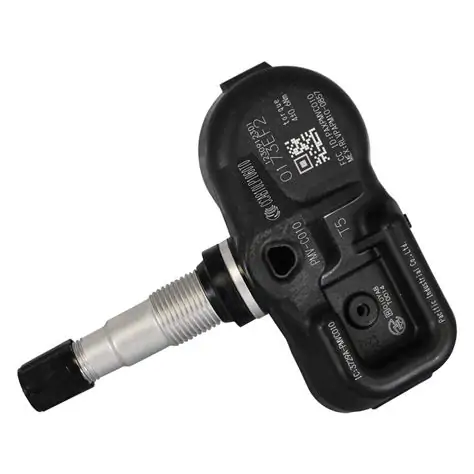
Learn about TPMS sensors, their importance, signs of malfunctions, replacement tips, and costs for ensuring safe driving.The 2013 Toyota Camry is not just known for its reliability and comfort; it also features crucial safety technology, including the Tire Pressure Monitoring System (TPMS) sensor. This seemingly small component plays a pivotal role in ensuring optimal tire pressure, which directly impacts driving safety and fuel efficiency. In this blog post, we’ll explore what a TPMS sensor is and why it’s essential for your vehicle’s performance. We’ll also discuss the signs that indicate your TPMS sensor may be malfunctioning, along with the process and costs involved in replacing it. Whether you’re a seasoned car enthusiast or a first-time Camry owner, understanding the function and importance of the TPMS sensor will help you maintain your vehicle’s safety and efficiency on the road.
What is a TPMS sensor?
A TPMS sensor, or Tire Pressure Monitoring System sensor, is a crucial component in modern vehicles, including the 2013 Toyota Camry. Its primary function is to monitor the air pressure in the tires and alert the driver when it falls below the recommended level. This system enhances safety by reducing the risk of tire blowouts, improving fuel efficiency, and ensuring optimal vehicle performance.
There are two main types of TPMS sensors:
- Direct TPMS: This type uses sensors that are mounted directly on each tire’s valve stem. They measure the tire pressure and transmit the data to the vehicle’s onboard computer.
- Indirect TPMS: This system does not use pressure sensors in the tires. Instead, it relies on the vehicle’s ABS (Anti-lock Braking System) to monitor wheel speed and estimate tire pressure based on the difference in rotational speed between the tires.
In the case of the 2013 Toyota Camry, it employs a direct TPMS that offers more accurate readings, allowing the driver to maintain appropriate tire pressure effectively. This feature is critical because under-inflated tires can lead to various problems, including increased wear, reduced fuel efficiency, and compromised handling.
When the TPMS sensor detects low tire pressure, it triggers a warning light on the dashboard, notifying the driver to take action. Maintaining the proper tire pressure is essential not only for safety but also for optimizing the vehicle’s overall performance and longevity.
Importance of a TPMS sensor
A Tire Pressure Monitoring System (TPMS) sensor plays a crucial role in maintaining the safety and efficiency of your vehicle, especially for the 2013 Toyota Camry. Its importance cannot be overstated as it directly impacts the overall driving experience and vehicle performance.
Key Reasons for the Importance of a TPMS Sensor
- Safety: One of the primary roles of a TPMS sensor is to monitor the tire pressure and alert the driver when it falls below the recommended levels. Under-inflated tires can lead to blowouts and reduce the driver’s control over the vehicle.
- Fuel Efficiency: Maintaining the correct tire pressure can significantly affect your fuel consumption. Properly inflated tires reduce rolling resistance, thereby improving fuel efficiency and lowering costs at the pump.
- Tire Longevity: A functioning TPMS sensor helps prolong the life of your tires by ensuring they are properly inflated. This can prevent uneven wear and the need for premature replacement.
- Environmental Impact: By ensuring optimal tire pressure, you not only save money but also reduce carbon emissions. Properly inflated tires contribute to more efficient fuel use, which is better for the environment.
How Does a TPMS Sensor Work?
The TPMS sensor is equipped to monitor the air pressure in each tire. If it detects a significant change in tire pressure, it sends a warning to the vehicle’s dashboard indicator light. This allows the driver to take action before any potential issues escalates.
Important Indicators from the TPMS Sensor
Regular monitoring of the TPMS system provides the following benefits:
- Real-time Monitoring: TPMS provides live updates on tire pressure, making it easy to stay informed.
- Alerts for Low Pressure: Visual and audio alerts notify the driver about low tire pressure, allowing for timely action.
- Scheduled Maintenance Reminders: Some advanced TPMS systems also offer reminders for tire rotations and replacements.
For the 2013 Toyota Camry owners, understanding the importance of a TPMS sensor is essential. By ensuring this system is functioning properly, you enhance safety, improve fuel efficiency, and prolong tire life.
Signs of a malfunctioning TPMS sensor
A TPMS (Tire Pressure Monitoring System) sensor is crucial for maintaining the safety and efficiency of your vehicle, particularly in a 2013 Toyota Camry. When these sensors malfunction, they may not provide accurate readings, which can lead to unsafe driving conditions. Here are some signs of a malfunctioning TPMS sensor:
- Warning Light: The most obvious sign of a malfunctioning TPMS sensor is the TPMS warning light on your dashboard. If the light remains illuminated or blinks repeatedly, this indicates an issue with the sensor.
- Inaccurate Tire Pressure Readings: If you notice discrepancies between the tire pressure readings on your TPMS display and the actual pressure measured with a gauge, it may indicate that the sensor is faulty.
- Frequent Alerts: Constant alerts for low tire pressure when you have already inflated your tires can be a frustrating sign that the TPMS sensor is not functioning properly.
- Unresponsive Sensors: If the sensor fails to respond when the tire pressure changes, such as after inflating your tires, it can signal that the sensor is no longer effective.
- Physical Damage: Inspect the sensors for any visible damage. Cracks, leaks, or corrosion can compromise their functionality.
Understanding these signs can help you address any issues with your TPMS sensor promptly, ensuring not only your safety but also the optimal performance of your 2013 Toyota Camry.
Replacing the TPMS sensor
When it comes to maintaining your vehicle, ensuring that every component is functioning properly is essential. One crucial part of your vehicle’s safety system is the TPMS (Tire Pressure Monitoring System) sensor. If you’re driving a 2013 Toyota Camry and have discovered that your TPMS sensor is malfunctioning or has failed, it’s important to know the steps for replacing the TPMS sensor.
Why Replace the TPMS Sensor?
The TPMS sensor plays a vital role in monitoring your tire pressures and ensuring optimal performance and safety. A failing sensor can lead to inaccurate readings, potentially resulting in driving on under-inflated or over-inflated tires. Thus, timely replacement is necessary to maintain your vehicle’s safety.
Steps for Replacing the TPMS Sensor
- Gather Necessary Tools and Parts: Before starting, ensure you have a new TPMS sensor, a tire pressure gauge, a wrench set, and possibly a tire changing kit.
- Safety First: Make sure to park your car on a flat surface and engage the parking brake.
- Remove the Tire: If the sensor is located within the tire, you will need to remove the tire from the vehicle. Loosen the lug nuts and take off the wheel.
- Access the TPMS Sensor: Remove the valve stem cap and unscrew the nut securing the TPMS sensor within the tire.
- Install the New Sensor: Place the new sensor in position, securing it with the nut and ensuring it is properly aligned.
- Reinstall the Tire: Place the tire back on the vehicle and hand-tighten the lug nuts before lowering the car. Then, torque the lug nuts to the manufacturer’s specification.
- Reprogram the TPMS: Some vehicles may require the TPMS to be reprogrammed after a sensor replacement. You can do this with a TPMS reset tool or by following the vehicle’s manual.
- Check Tire Pressure: Finally, use a tire pressure gauge to ensure all tires are inflated correctly.
Considerations
While replacing the TPMS sensor can be a DIY project, it may be best to consult with a professional mechanic, especially if you’re unfamiliar with tire and sensor systems.
Cost of Replacement
| Part | Estimated Cost |
|---|---|
| TPMS Sensor | $50 – $150 |
| Tire Removal and Installation | $20 – $50 |
| TPMS Programming (if required) | $30 – $75 |
Always check with your dealer or local mechanic for the most accurate pricing and to ensure you’re getting quality parts for your 2013 Toyota Camry.
Cost of a TPMS sensor replacement
The TPMS sensor (Tire Pressure Monitoring System) is an essential component in modern vehicles, including the 2013 Toyota Camry. If you find yourself needing to replace a malfunctioning TPMS sensor, you may be wondering about the costs involved.
Several factors can influence the cost of a TPMS sensor replacement, including:
- Type of Sensor: There are two main types of TPMS sensors: direct and indirect. Direct sensors, which measure the actual tire pressure and transmit the data to your vehicle’s system, are typically more expensive than indirect sensors.
- Labor Costs: The cost of labor can vary depending on the service center. Dealerships often charge more than independent mechanics.
- OEM vs. Aftermarket Parts: Original Equipment Manufacturer (OEM) sensors usually cost more but are designed specifically for your vehicle, ensuring better compatibility.
Estimated Costs
Here is a general breakdown of the expected costs associated with TPMS sensor replacement for a 2013 Toyota Camry:
| Cost Item | Estimated Price Range |
|---|---|
| TPMS Sensor (OEM) | $50 – $100 |
| TPMS Sensor (Aftermarket) | $30 – $70 |
| Labor Costs | $20 – $50 |
| Total Estimated Cost | $70 – $220 |
Keep in mind that these figures can vary significantly based on location and specific service provider. It’s always a good idea to get multiple quotes before proceeding with replacement.
In summary, the cost of replacing a TPMS sensor for your 2013 Toyota Camry can range from about $70 to $220, depending on the factors mentioned above. It’s a necessary investment for vehicle safety and performance.
Frequently Asked Questions
What is a TPMS sensor in the 2013 Toyota Camry?
The TPMS (Tire Pressure Monitoring System) sensor in the 2013 Toyota Camry is designed to monitor the air pressure in the tires and alert the driver if any tire is under-inflated.
How does the TPMS system work in the 2013 Toyota Camry?
The TPMS system uses sensors located inside each tire to measure tire pressure. If the pressure falls below a certain threshold, the system triggers a warning light on the dashboard.
Where can I find the TPMS reset button in the 2013 Toyota Camry?
The TPMS reset button in the 2013 Toyota Camry is usually located beneath the steering wheel or near the driver’s side door. It may also be located in the glove compartment.
What should I do if the TPMS warning light stays on?
If the TPMS warning light remains on, check the tire pressures to ensure they are at the recommended levels. If the pressures are correct and the light persists, it may indicate a malfunctioning sensor that needs professional attention.
How often should I replace the TPMS sensors in my 2013 Toyota Camry?
TPMS sensors typically need to be replaced every 5 to 7 years, or when the batteries inside the sensors die, as most sensors are not designed to have replaceable batteries.
Can I drive my 2013 Toyota Camry with a faulty TPMS sensor?
It is not recommended to drive with a faulty TPMS sensor, as it increases the risk of driving on under-inflated tires, which can lead to poor handling and increased tire wear.
What are the benefits of having a functioning TPMS in my 2013 Toyota Camry?
A functioning TPMS helps to improve safety by ensuring your tires are properly inflated, which enhances fuel efficiency, extends tire life, and reduces the risk of blowouts.